
GLOBAL, DISTRIBUTED 3D PRINTING INITIATIVE
Registration deadline: December 18, 2026
Launch date: January 11, 2027
Overview
Our Research
Timeline and Course Content
Requirements to Join
Past Events
Meet Our Team
Funding and Support
Contact Us
ALREADY REGISTERED? ACCESS THE MEMBER PORTAL BELOW:
OVERVIEW
Our global, distributed 3D printing initiative is planned to launch in January 11, 2027. Participants will:
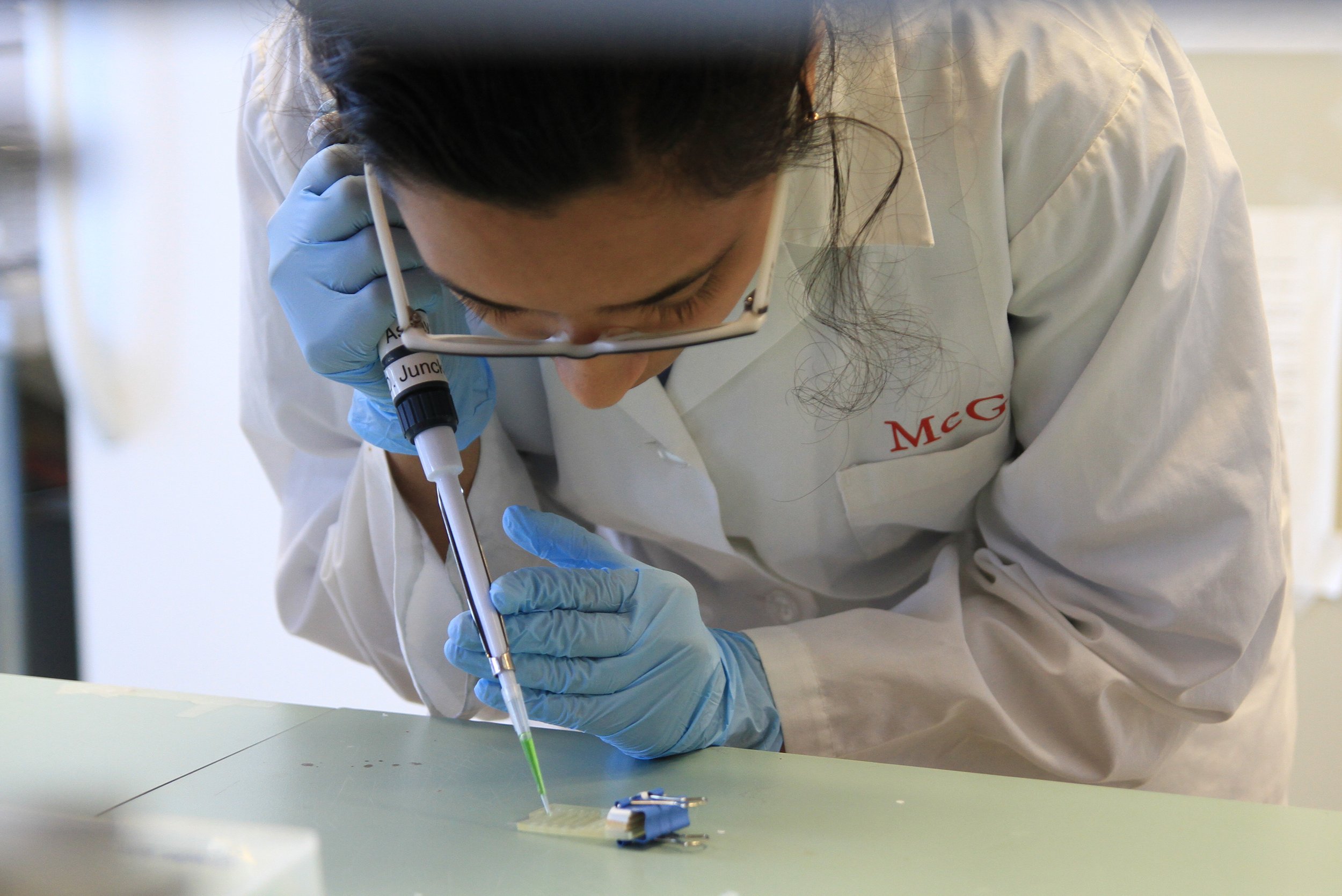
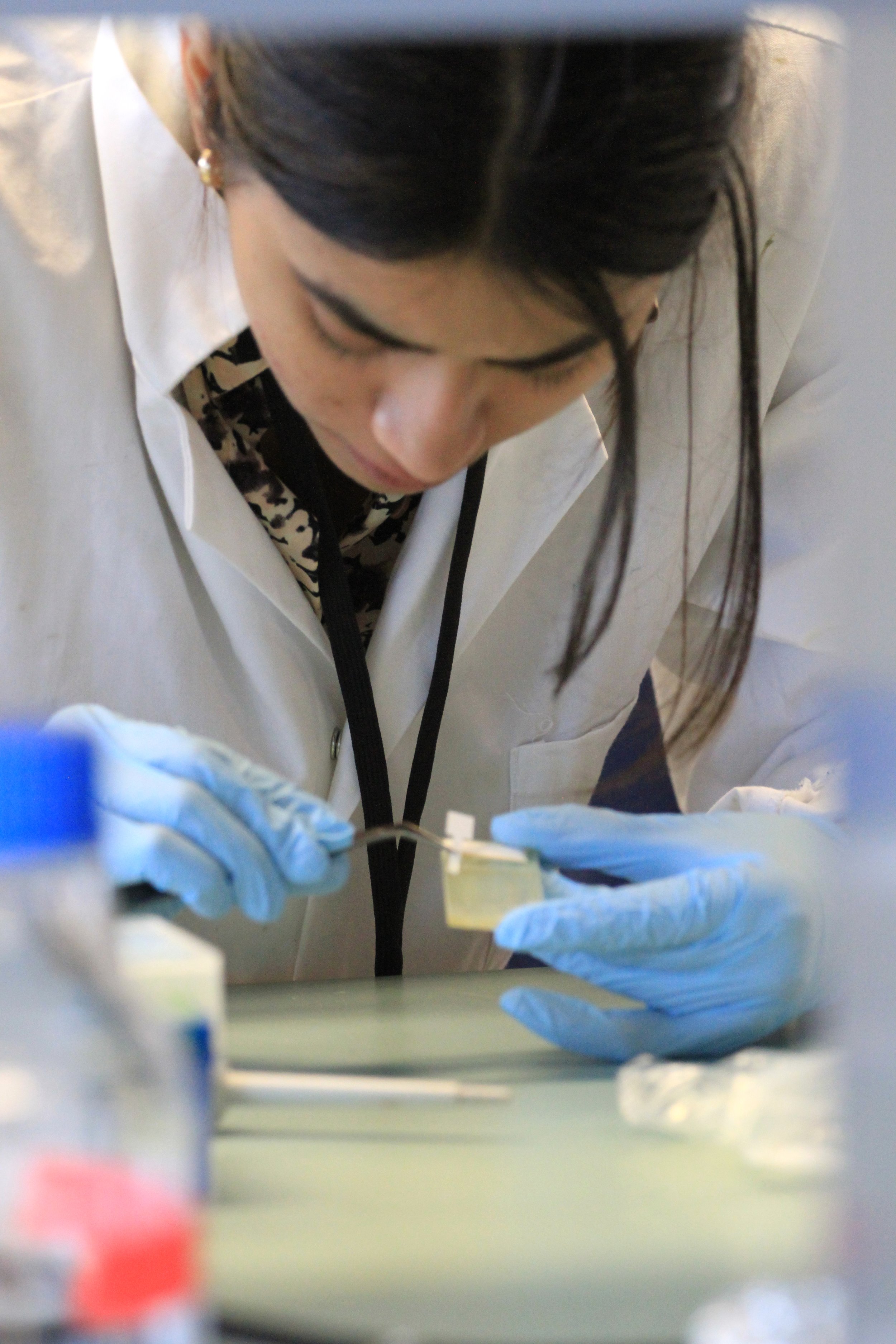
✍️ Learn microfabrication of features <100 μm using affordable LCD/DLP 3D printers (~US$150–600) and learn to evaluate print quality and surface properties
🧪 Learn the technical know-how on ink preparation for high-resolution microstructures
🔧 Gain hands-on experience with design, 3D printing, and running capillaric circuits
🌐 Obtain access to:
1. Digital files for calibration testing of microfluidic designs
2. Standard Operating Procedures for printing and debugging
3. Curated data and collaboration platform to connect with global researchers and share know-how
📄 Contribute to a peer-reviewed manuscript
The initiative is open to students, scientists, engineers, citizen scientists, and industry professionals in any area of research who would like to learn more about photopolymerization (LCD/DLP) 3D printing, photoink design, and microfludics, and would be of particular interest to biomedical researchers, chemists, physicists, as well as biomedical, mechanical, chemical, and materials engineers.
Low-cost high-resolution 3D printing of microfluidics and capillaric circuits
INTRODUCTION
Microfluidics, specifically for lab-on-a-chip (LOC) applications, have enabled the miniaturization and automation of various laboratory processes onto compact, portable devices. Capillaric circuits (CCs), built from modular self-filling capillary elements, leverage negative capillary pressure to autonomously drive and control fluid flow, eliminating the need for external pumps in LOC systems. The rise of affordable, high-resolution LCD 3D printers, retailing as little as ~$US150-600, with pixel sizes down to 14 µm and pixel number >94 million, have revolutionized microfluidic fabrication by enabling rapid, low-cost, and scalable production of complex microstructures. Applying LCD 3D printing to CCs offers a powerful platform for fast prototyping, design flexibility, and accessible manufacturing, making it a promising approach for advancing and democratizing microfluidic technologies.
Our work
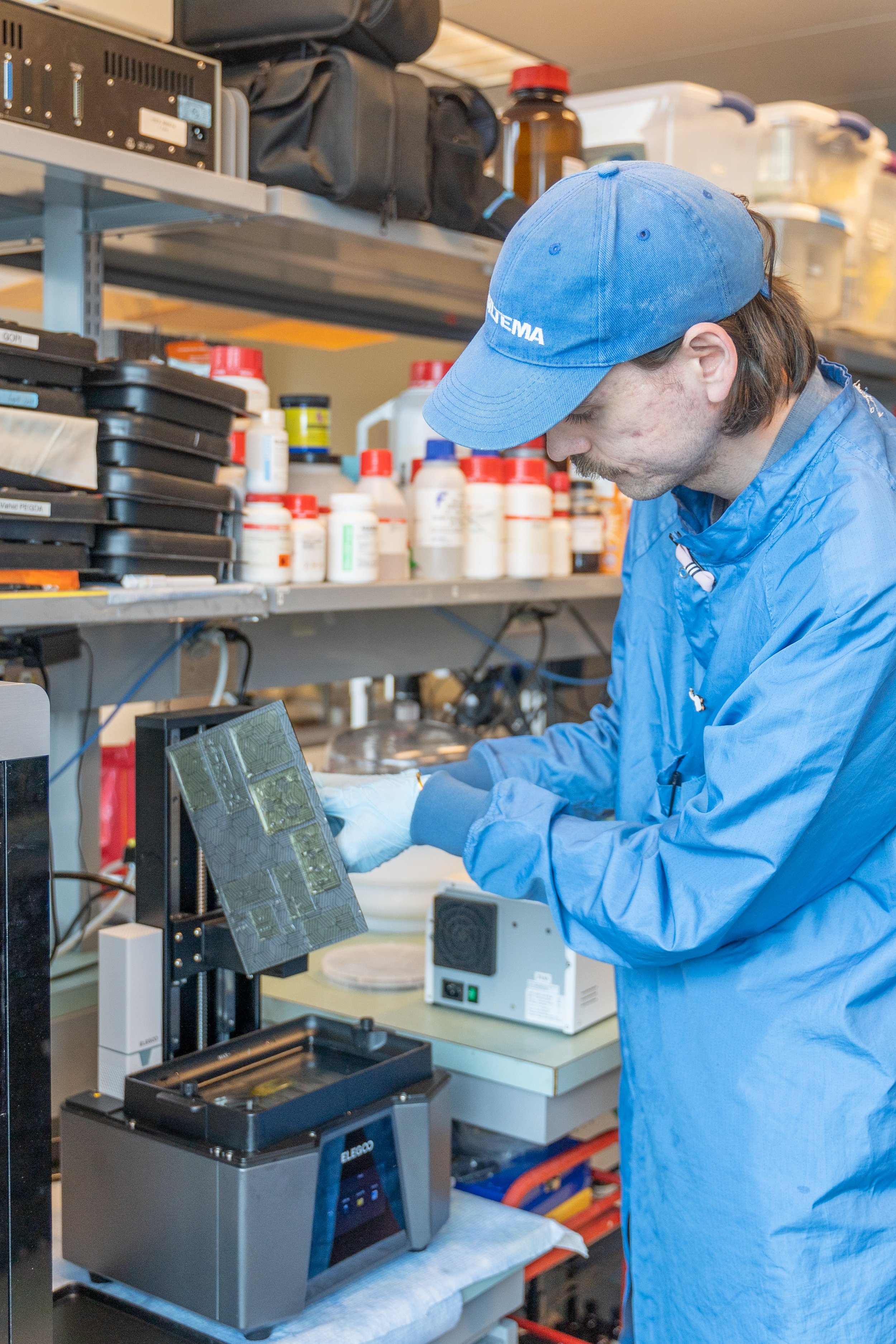
We are developing a community-based approach to LCD 3D printing of microfluidics, building on our lab's work demonstrating that low-cost 3D printers can be used to fabricate functional CCs and other devices. We aim to teach participants how to design, print, and characterize microfluidic devices using low-cost desktop equipment. Participants will learn how printing parameters, materials, surface properties, and device geometry can be engineered to control autonomous, pre-programmed fluid flow. The project will establish a community of researchers, students, educators, and innovators who can design and fabricate their own devices. By sharing designs, protocols, and experiences through an online community, participants from different backgrounds and geographic locations can learn from one another and contribute new ideas and applications.
IMPACT
This project will lower the technical barriers associated with microfluidic fabrication on low-cost LCD 3D printers, enabling more people to develop and test their own 3D-printed microfluidics. We aim to establish a global community around accessible microfluidics, connecting participants across institutions and countries to share designs, protocols, troubleshooting strategies, and applications. This distributed approach could accelerate innovation by allowing people who would not traditionally have access to microfabrication facilities to develop and test their own ideas and foster an open and collaborative ecosystem for developing the next generation accessible microscale manufacturing.
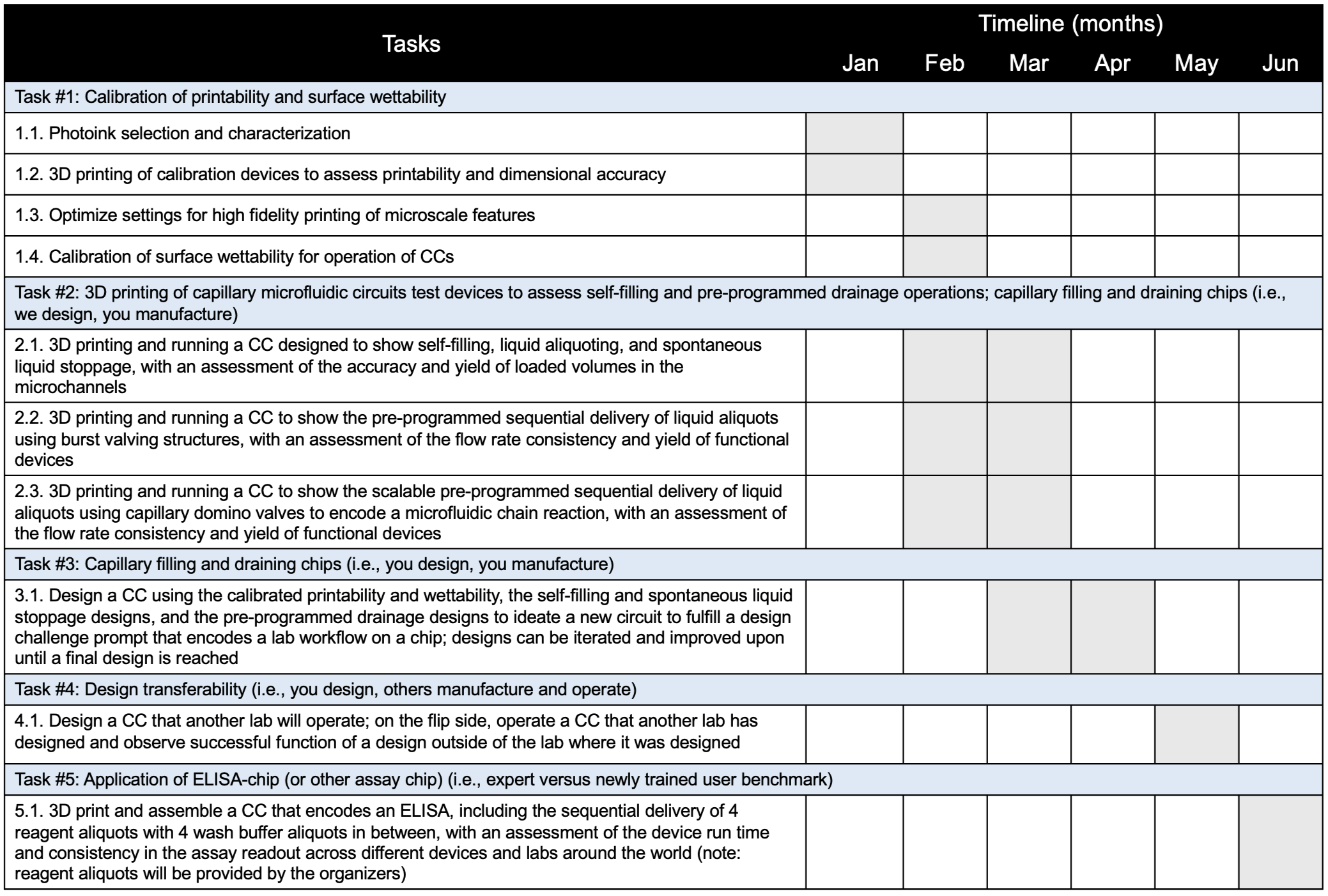
Participants should have access to a well-ventilated workspace, a designated chemical hood or suitable enclosed chamber (e.g., a glovebox) for handling and cleaning 3D-printed devices, as well as the necessary 3D printing equipment, software, materials, and consumables. These facilities are required to safely handle photoinks. Participants should ensure that the required workspace, equipment, and materials are available to them before joining the initiative.
Links to vendors and suppliers are provided for purposes of illustration only and participants are free to obtain supplies from their preferred and local vendors.
Equipment:
Photopolymerization 3D printer, preferably LCD printers but others like laser SLA and DLP are welcome
Analytical balance (precision of 0.1 g is sufficient, e.g., digital kitchen scale)
Camera set-up for photography and videography; cell phone cameras work too!
Compressed air or nitrogen gun (e.g. compressed air duster)
Pipettes, single-use pipettes can be used too as it is only for transferring liquids (e.g., disposable pipettes)
Personal protective equipment such as latex/nitrile gloves and lab coat
(Optional) UV lamp for post-curing prints (e.g., by Elegoo, Anycubic, or others), or one could post-cure on a windowsill on a sunny day!
(Optional) FDM 3D printer to make support structures
Materials:
Transparent inks/resins for microfluidic printing (e.g., FormLabs clear, Anycubic water washable, MiiCraft clear, Anycubic ABS-like, Luvantix clear, Elegoo translucent, Resione W90B, Anycubic high clear, Monocure clear)
Transparent self-adhesive (e.g., VViViD Lamination Vinyl Roll, 3M microfluidic tape)
Surface treatment solution (to be prepared by the user, ingredients include isopropyl alcohol [IPA, see vendor options in the next point], photoinitiator [e.g., TPO, BAPO], and acrylic acid [e.g., from Sigma or Fisher])
Post-processing solvent (e.g., IPA or ethanol recommended, lab/research-grade solvents recommended but not necessary, consumer-grade options are available here)
Water spiked with food dye for visualization of fluid flow in microchannels (e.g., Clubhouse food dye kits)
Paper pump like Whatman, cleanroom paper, Kimwipe, filter paper
Software:
Slicing software (e.g., CHITUBOX Basic)
(Optional) CAD software (e.g., Autodesk Fusion 360 with educational licences available for students)
Annual hands-on workshop in 3D printing and microfluidics for Bioengineering
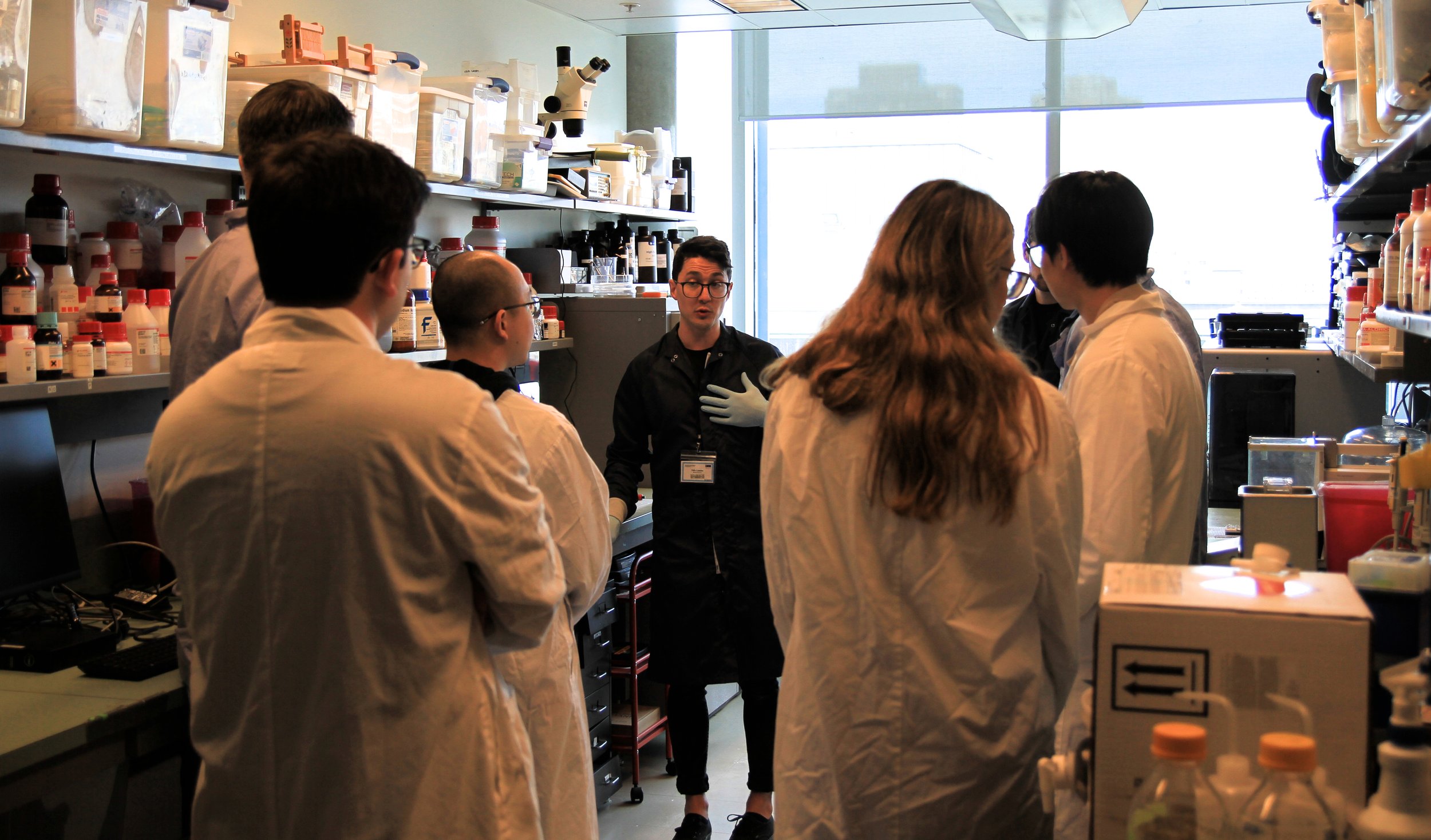
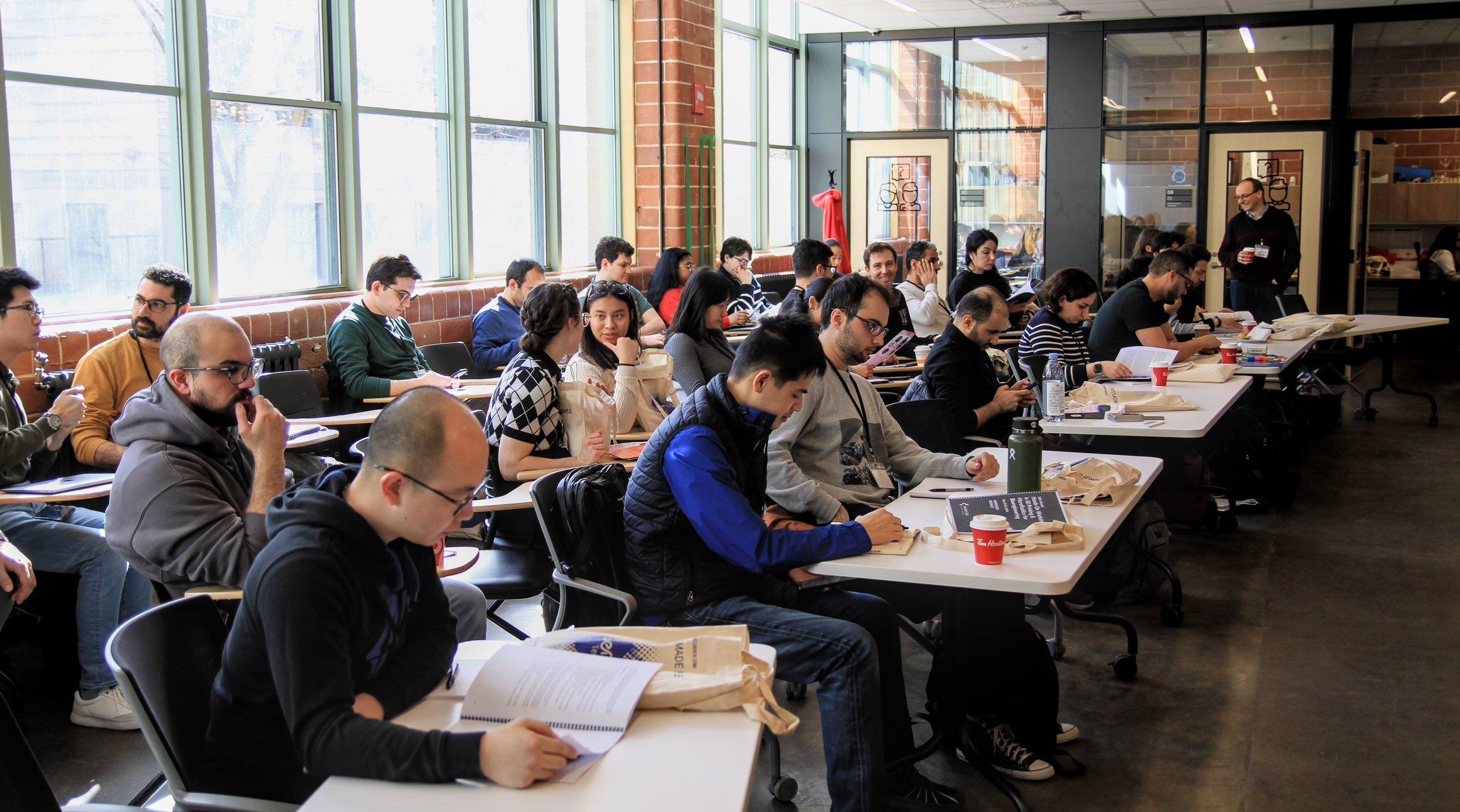
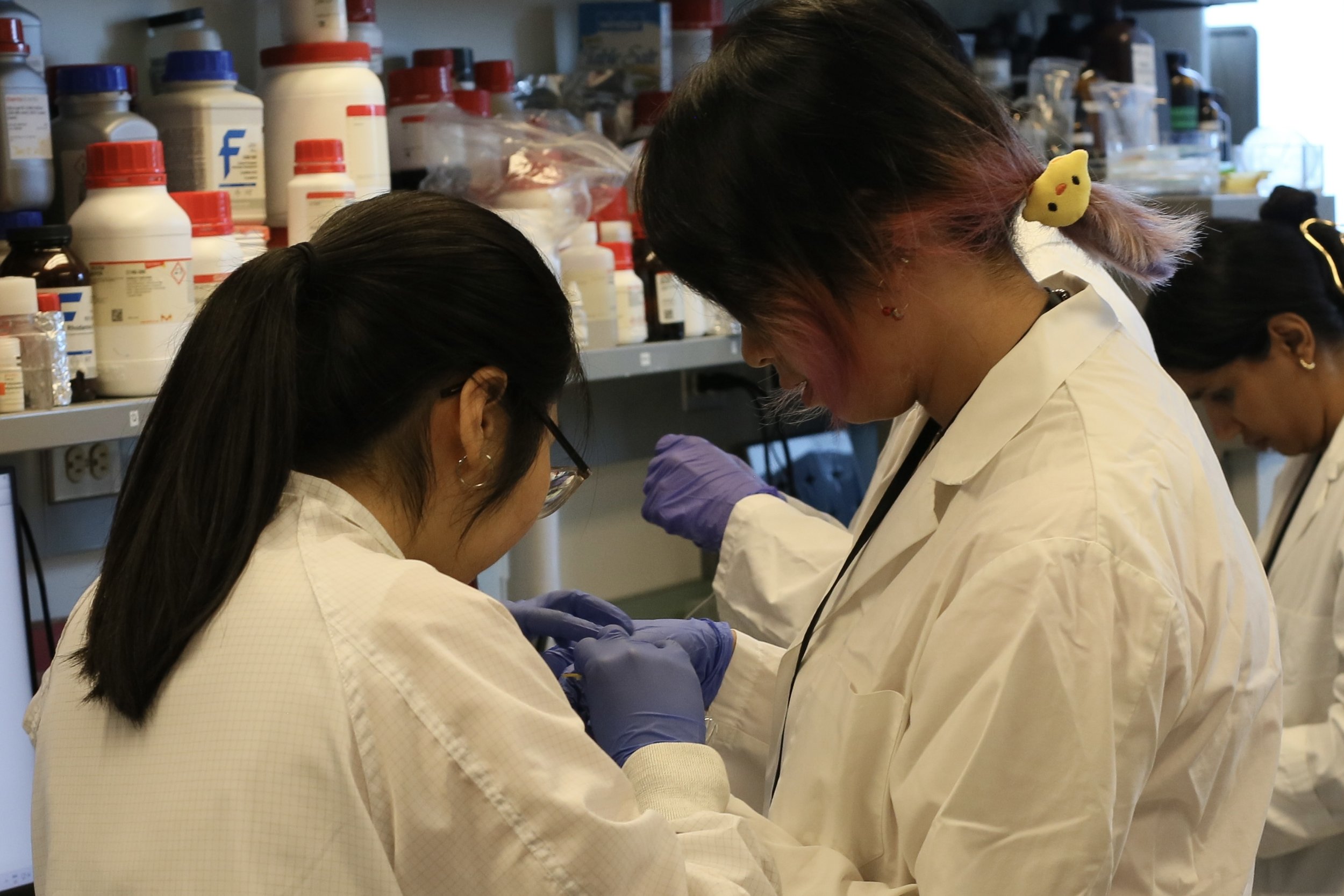
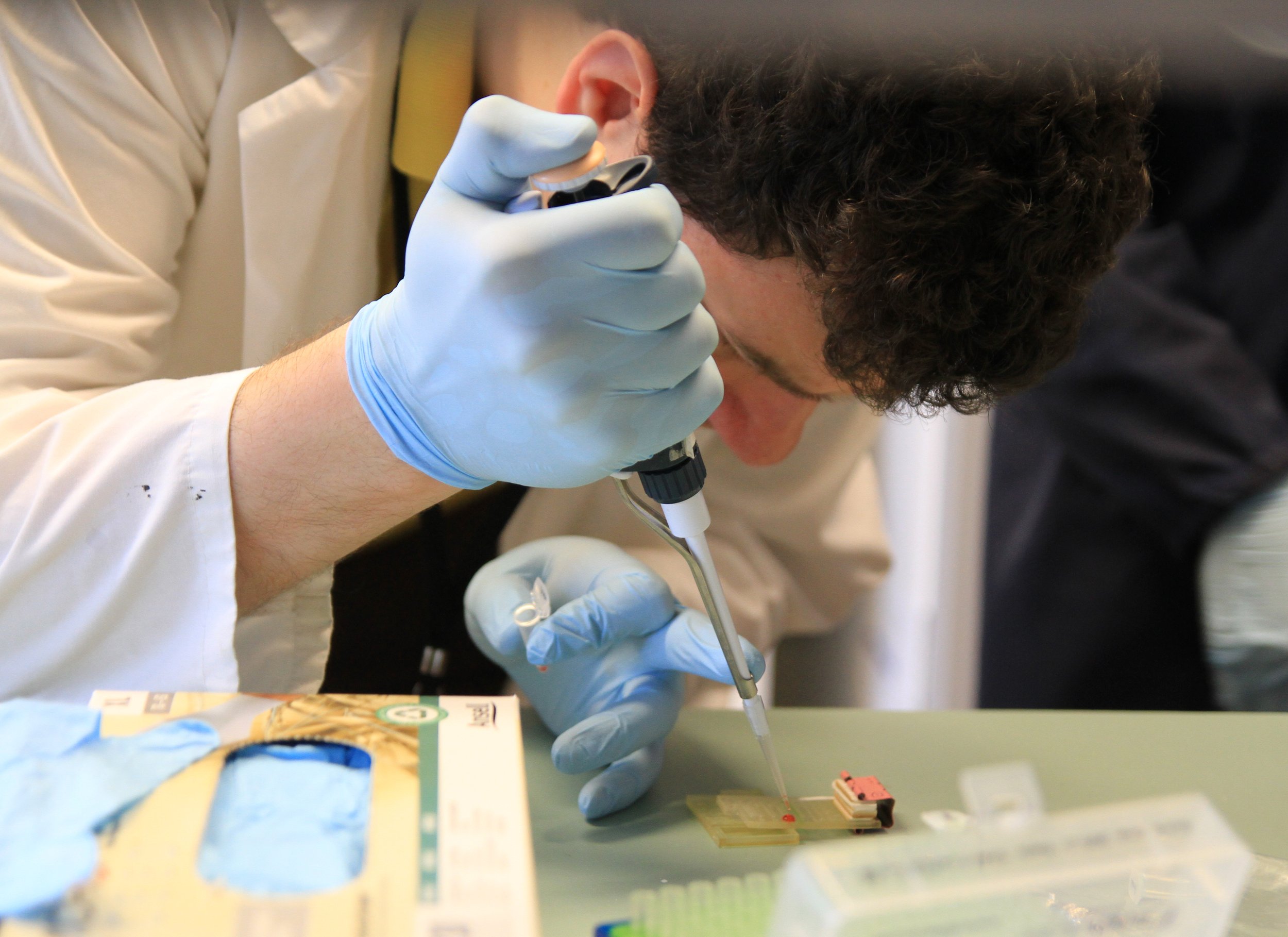
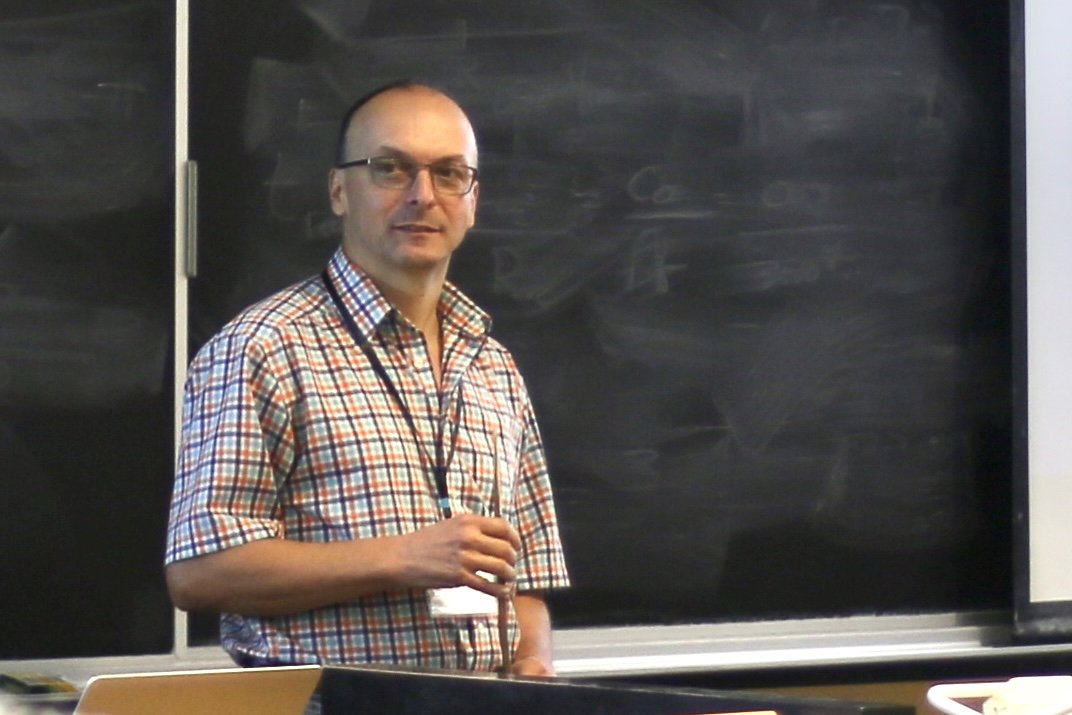
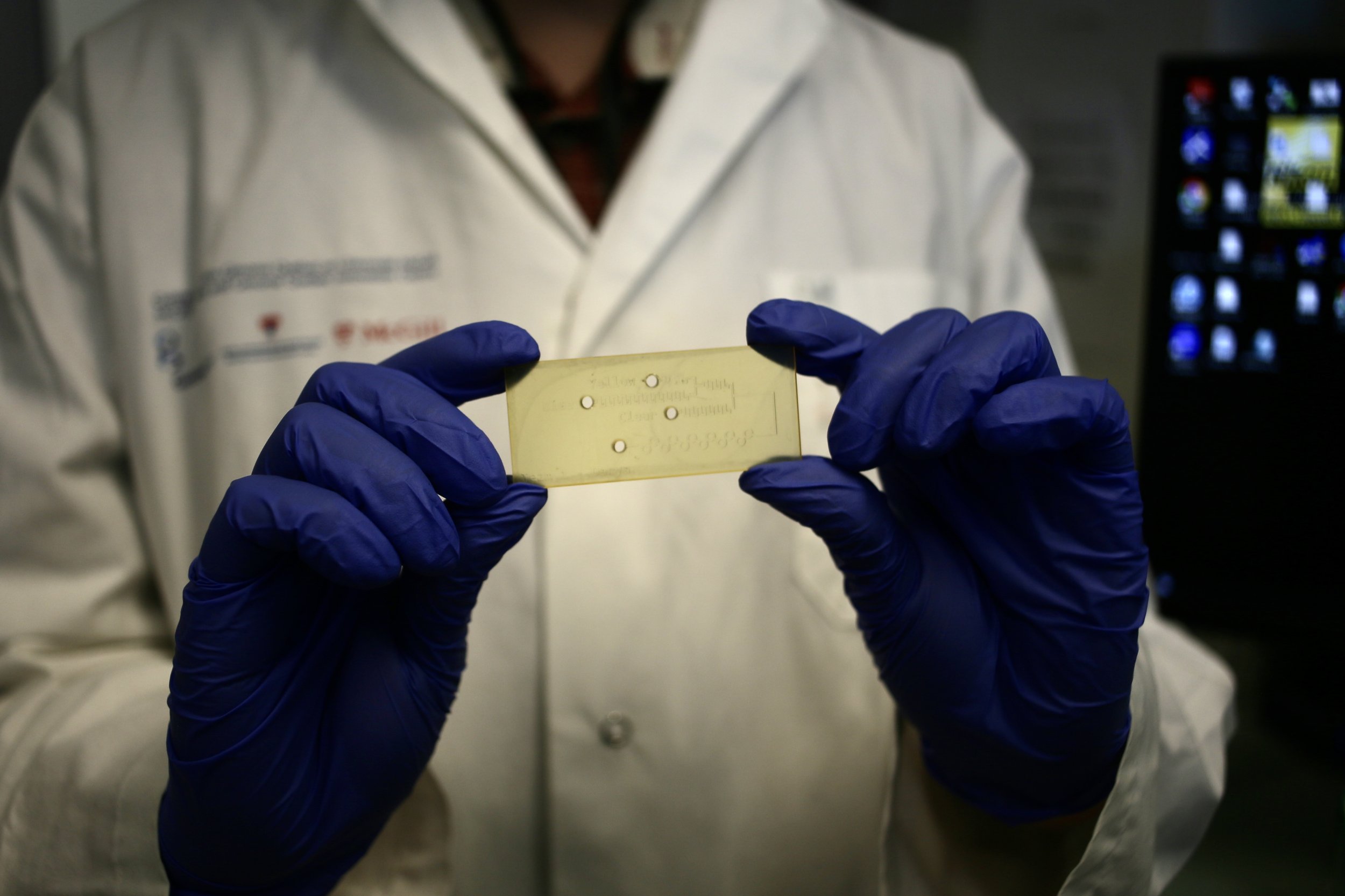
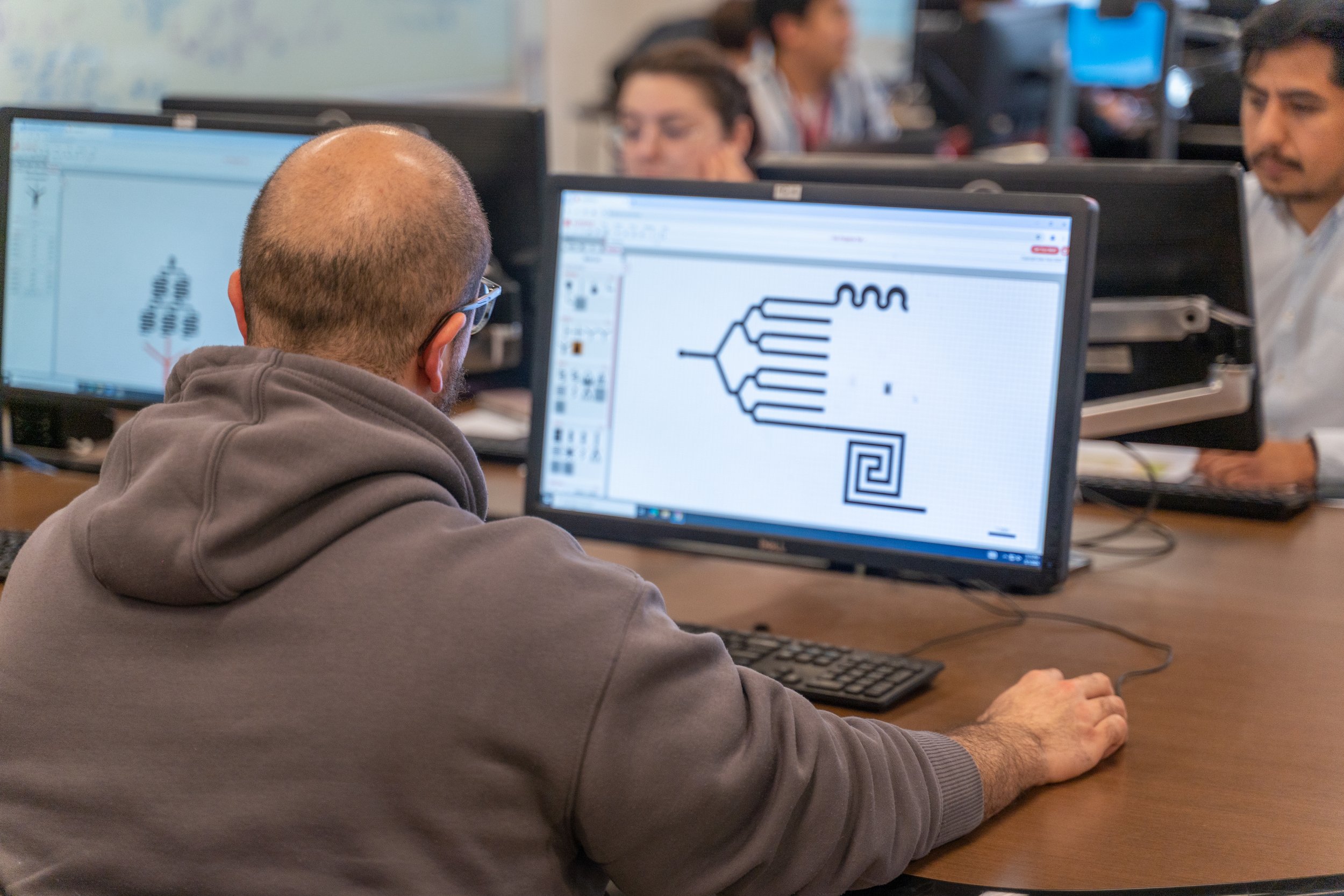
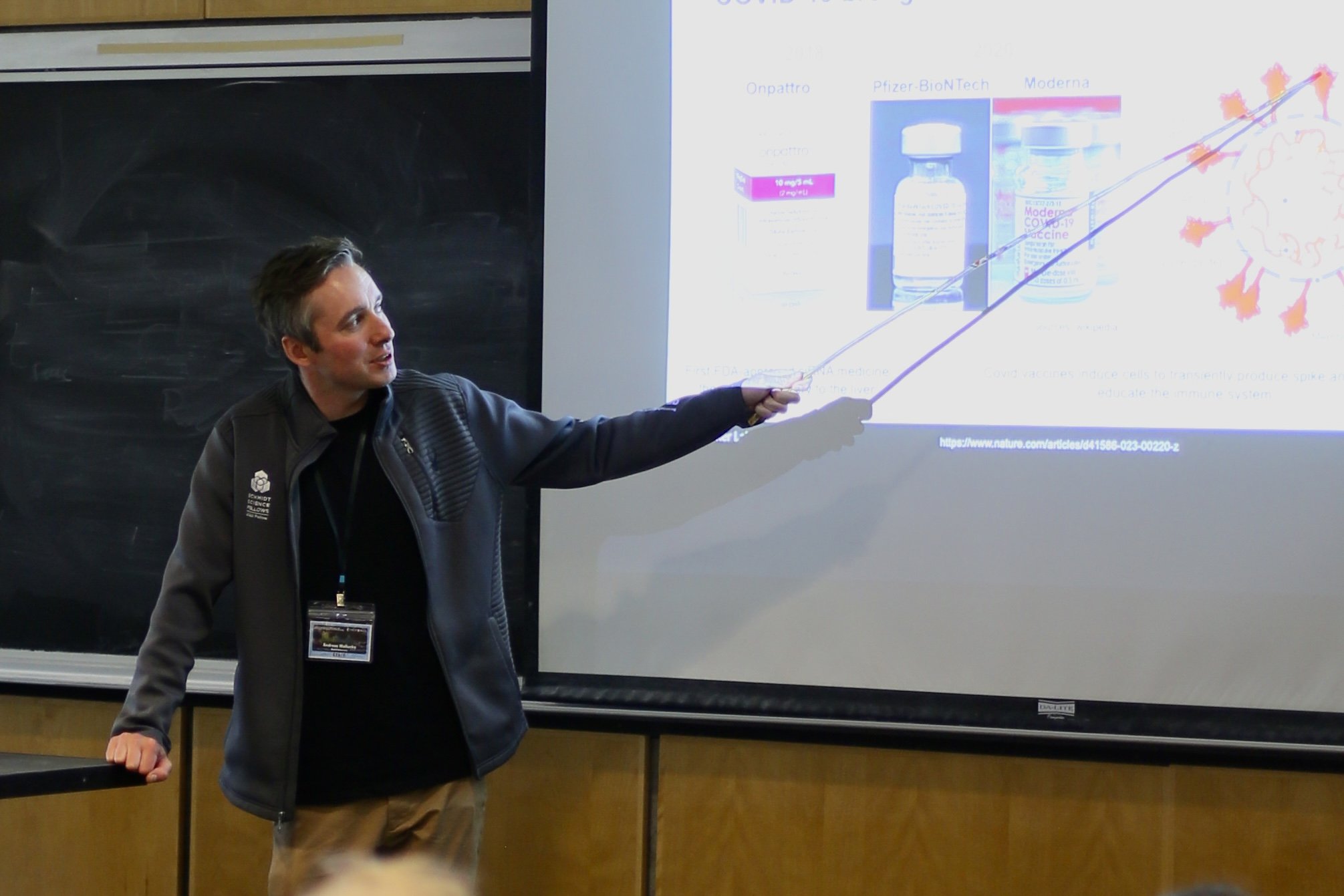
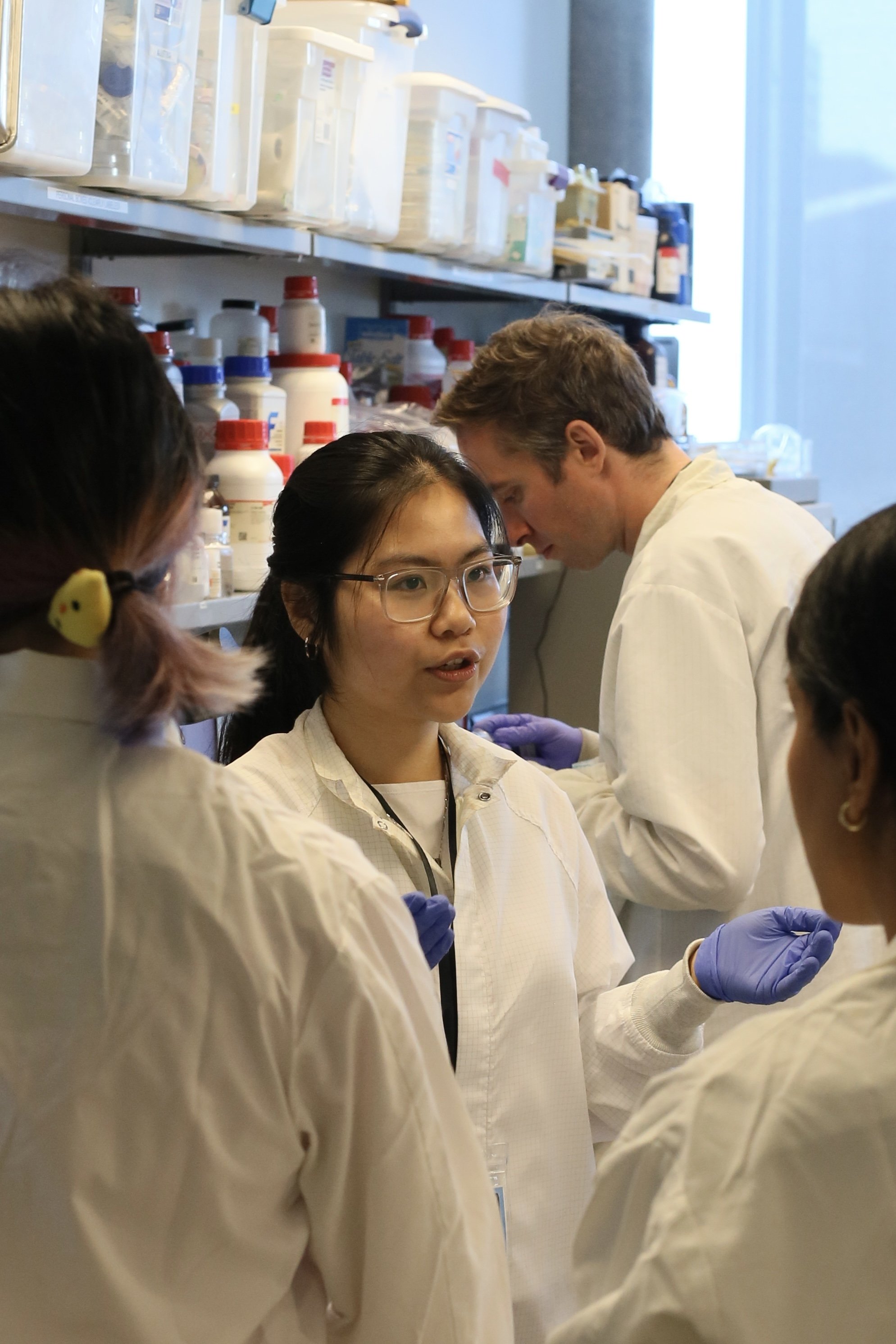
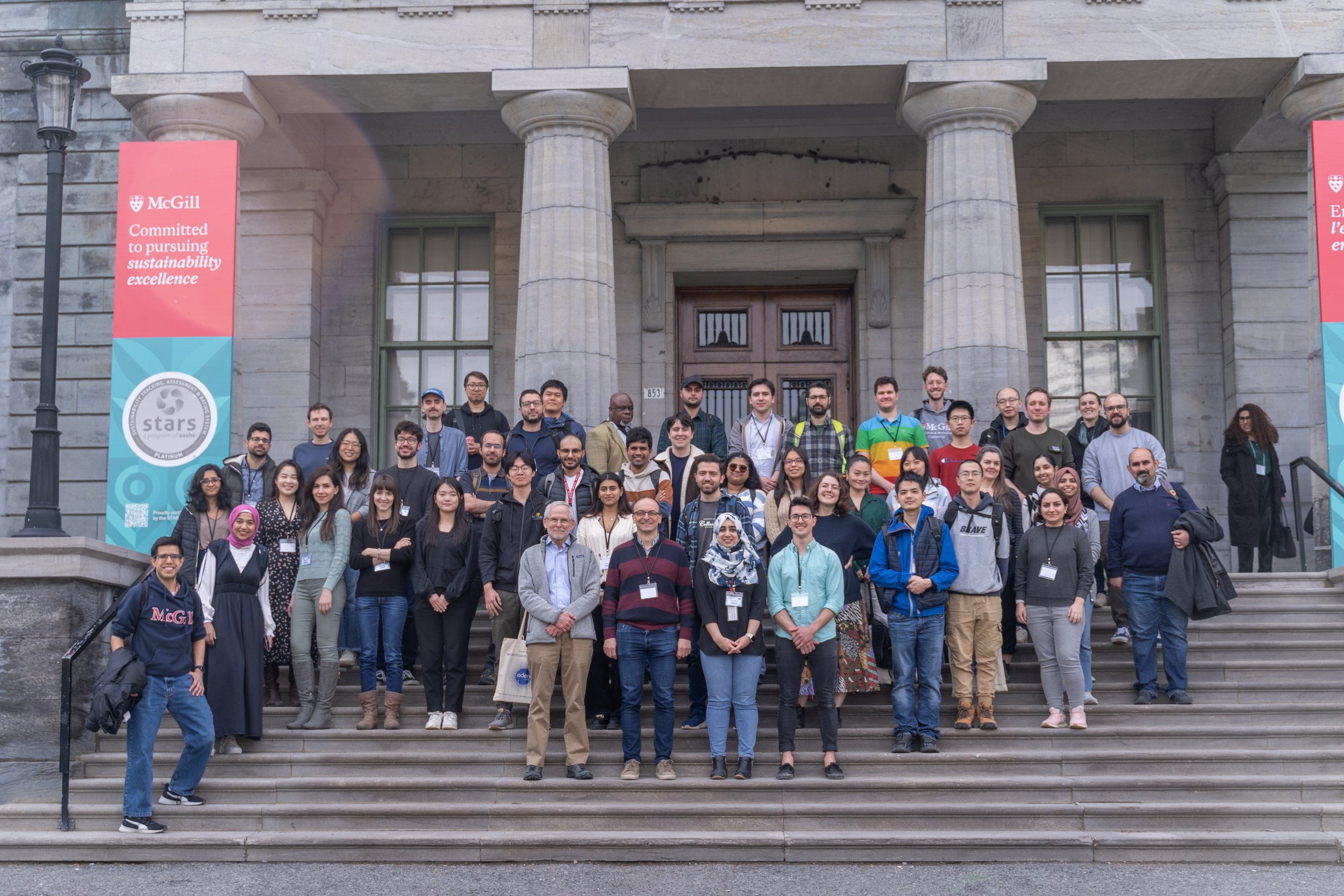
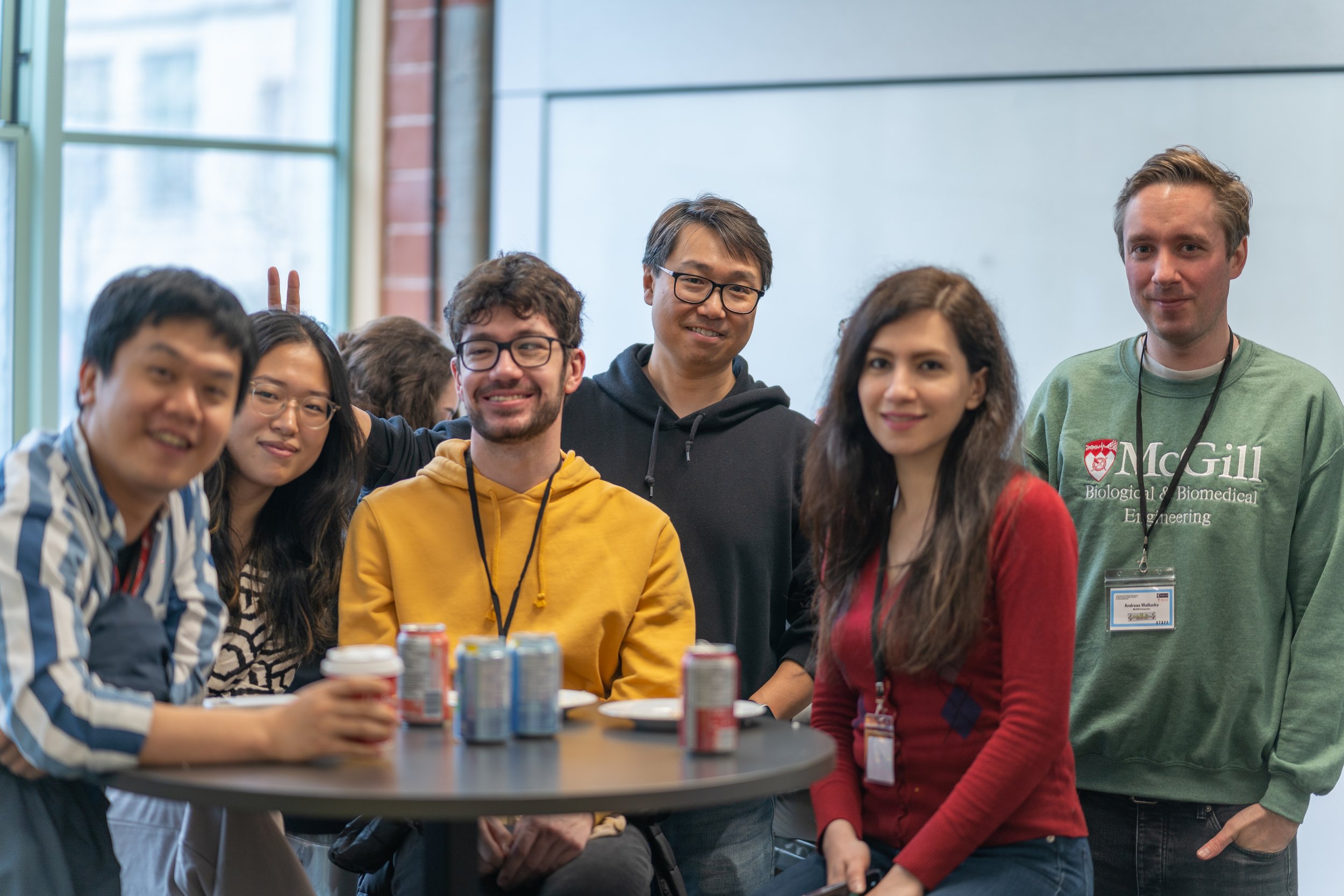
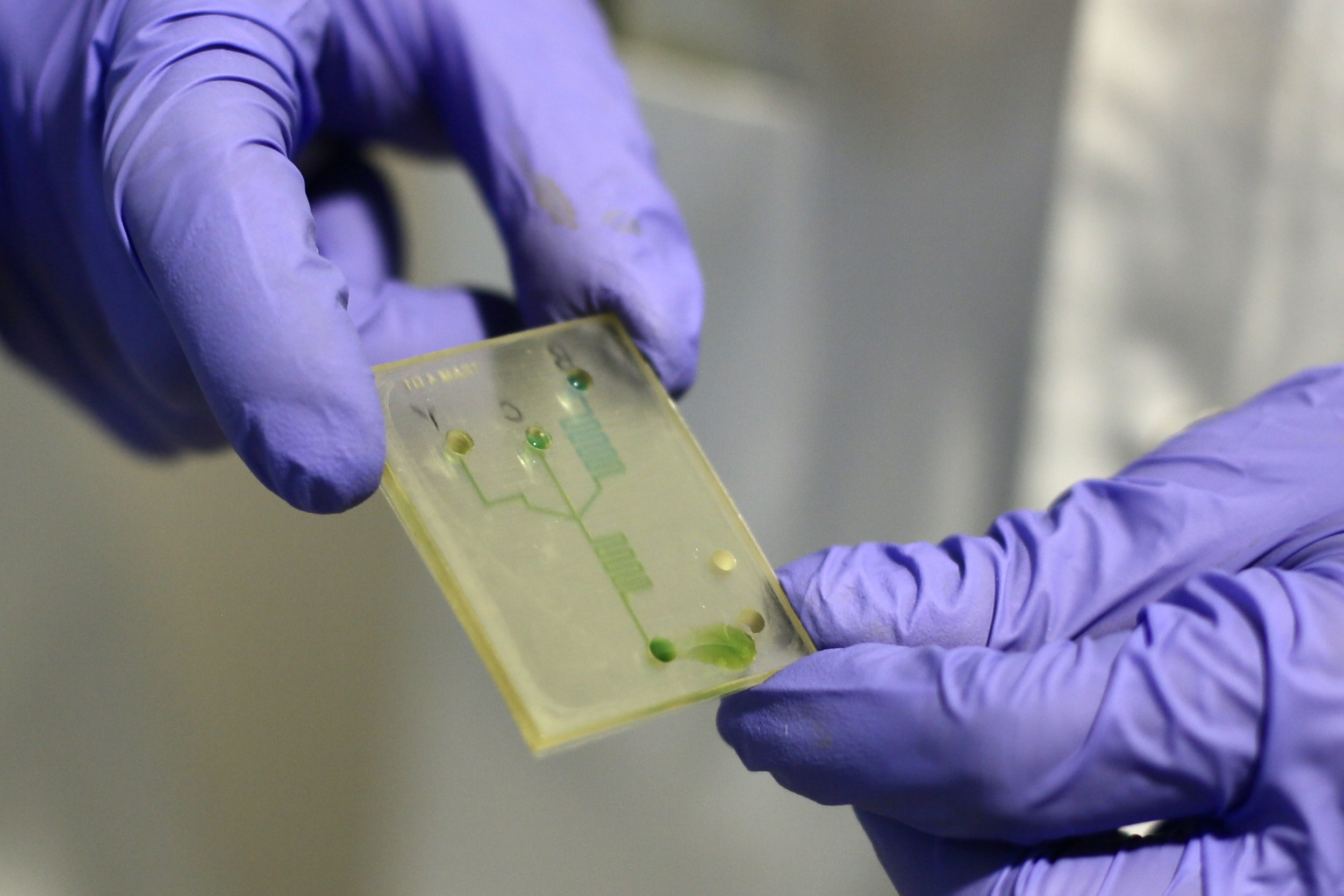
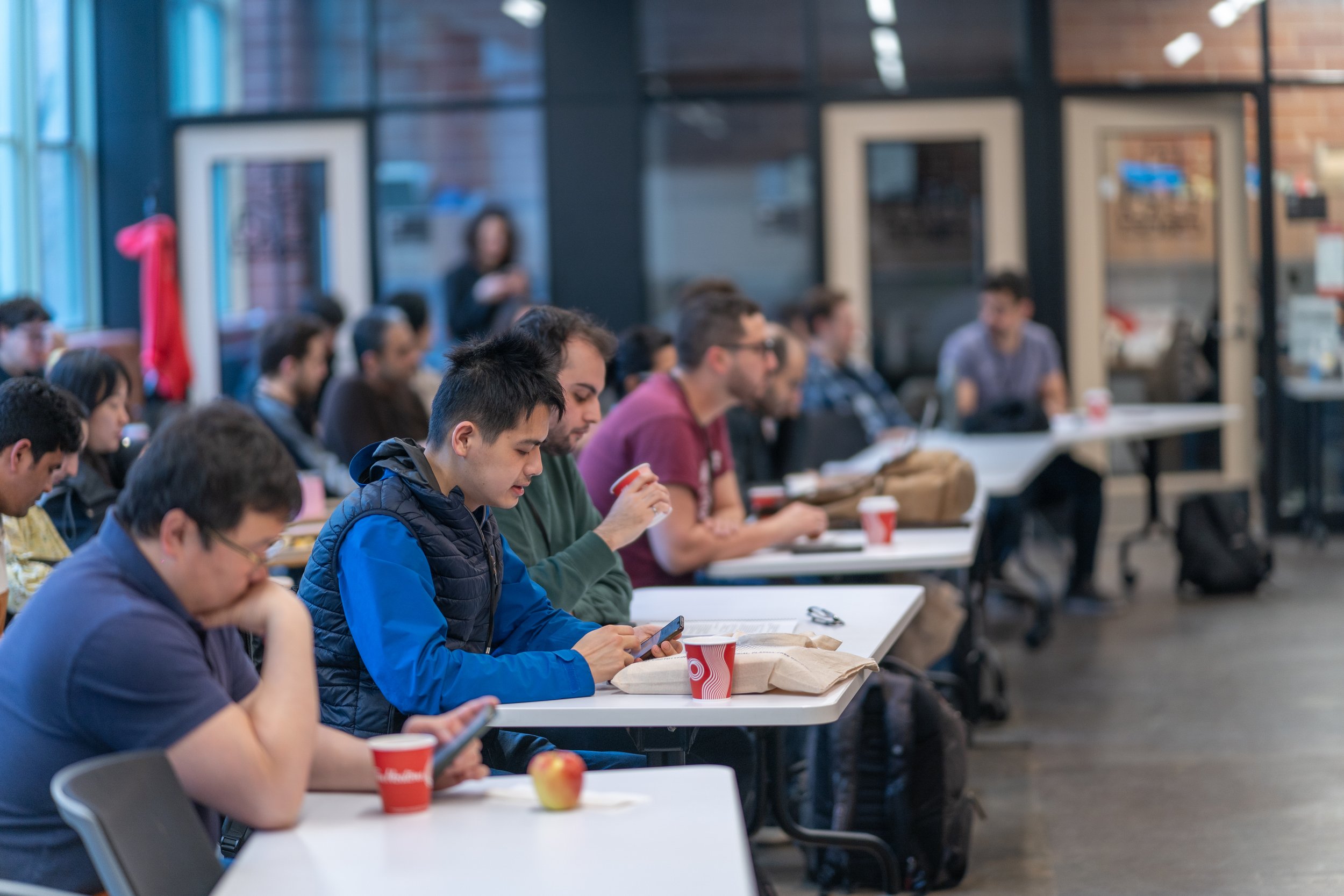
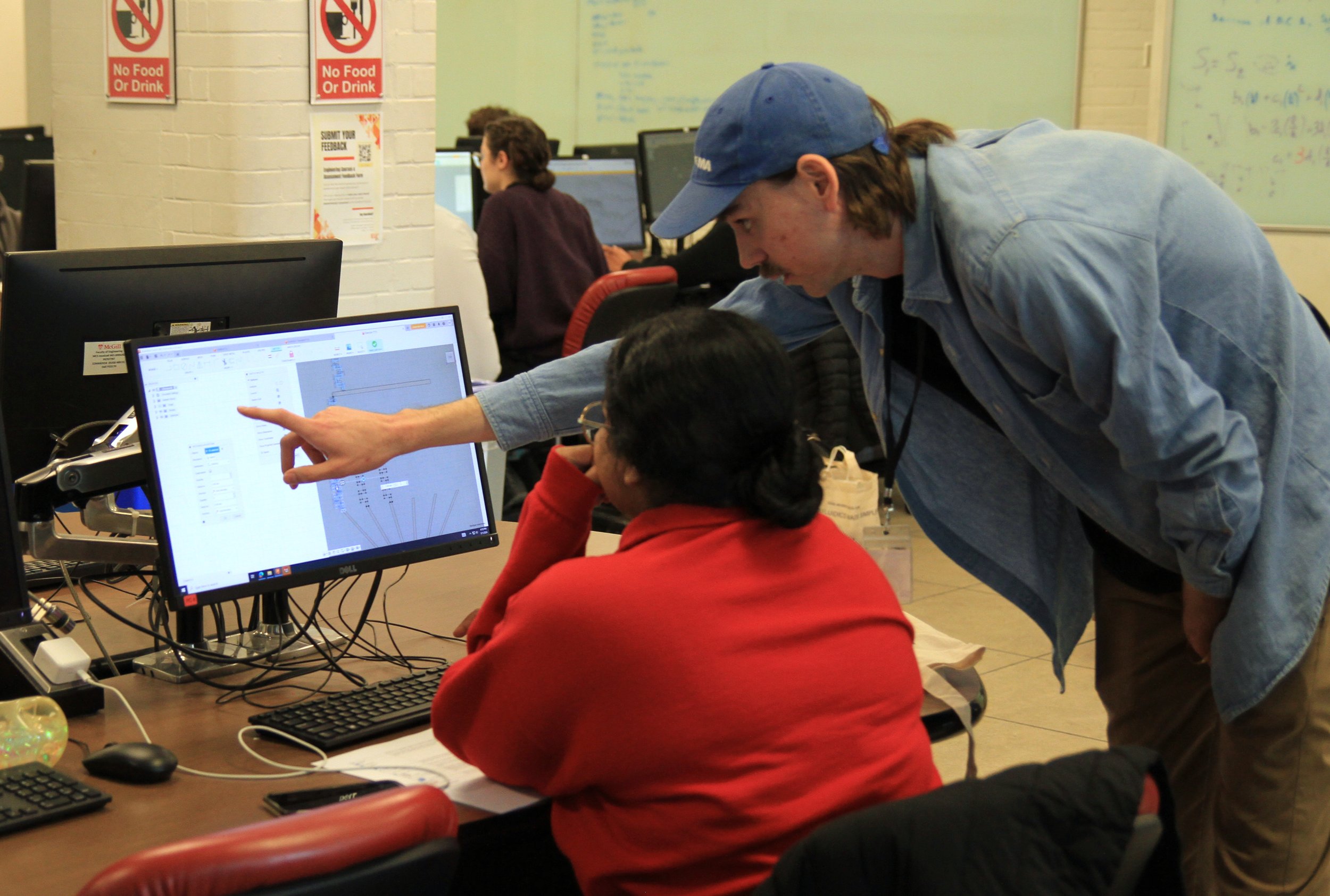
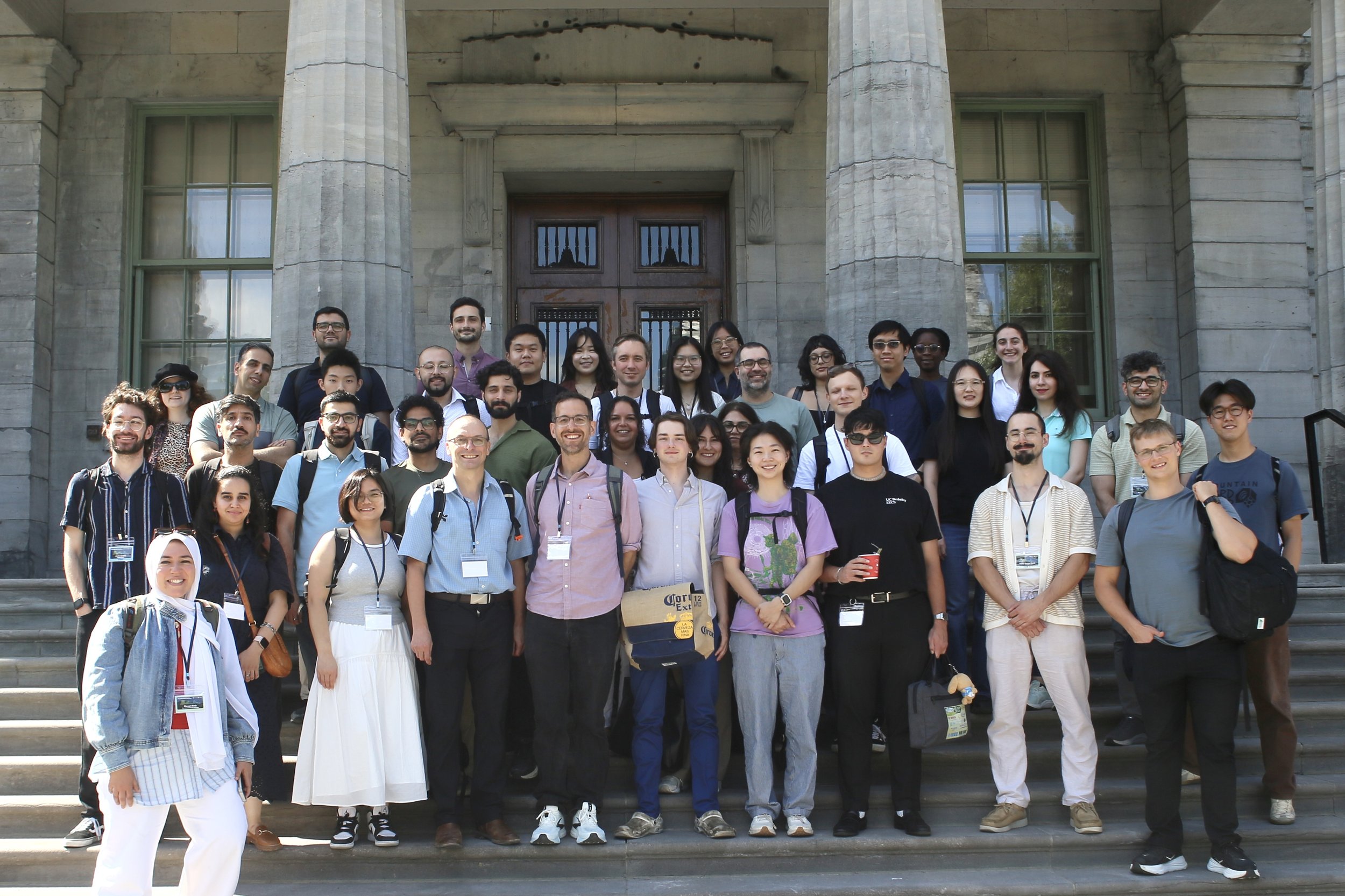
The Juncker Lab hosts an annual hands-on workshop in the design and fabrication of microfluidics for bioengineering applications. The workshop is a three-day event introducing participants to the fundamentals of microfluidics and 3D printing, consisting of a tutorial lecture series, CAD tutorial sessions, and hands-on laboratory modules that teach microfluidic design, PDMS-based replica molding, and 3D printing of microfluidics. Each year, participants also compete in a design challenge during the workshop, applying their newly gained knowledge towards a relevant biomedical engineering question/need, including challenges in organ-on-a-chip design, lipid nanoparticle micromixers, and point-of-care diagnostic device designs. Our workshop brings together researchers, students, and industry partners to learn about emerging technologies, gain practical experience, and explore new approaches to designing and fabricating microfluidic devices. Visit our workshop website here.
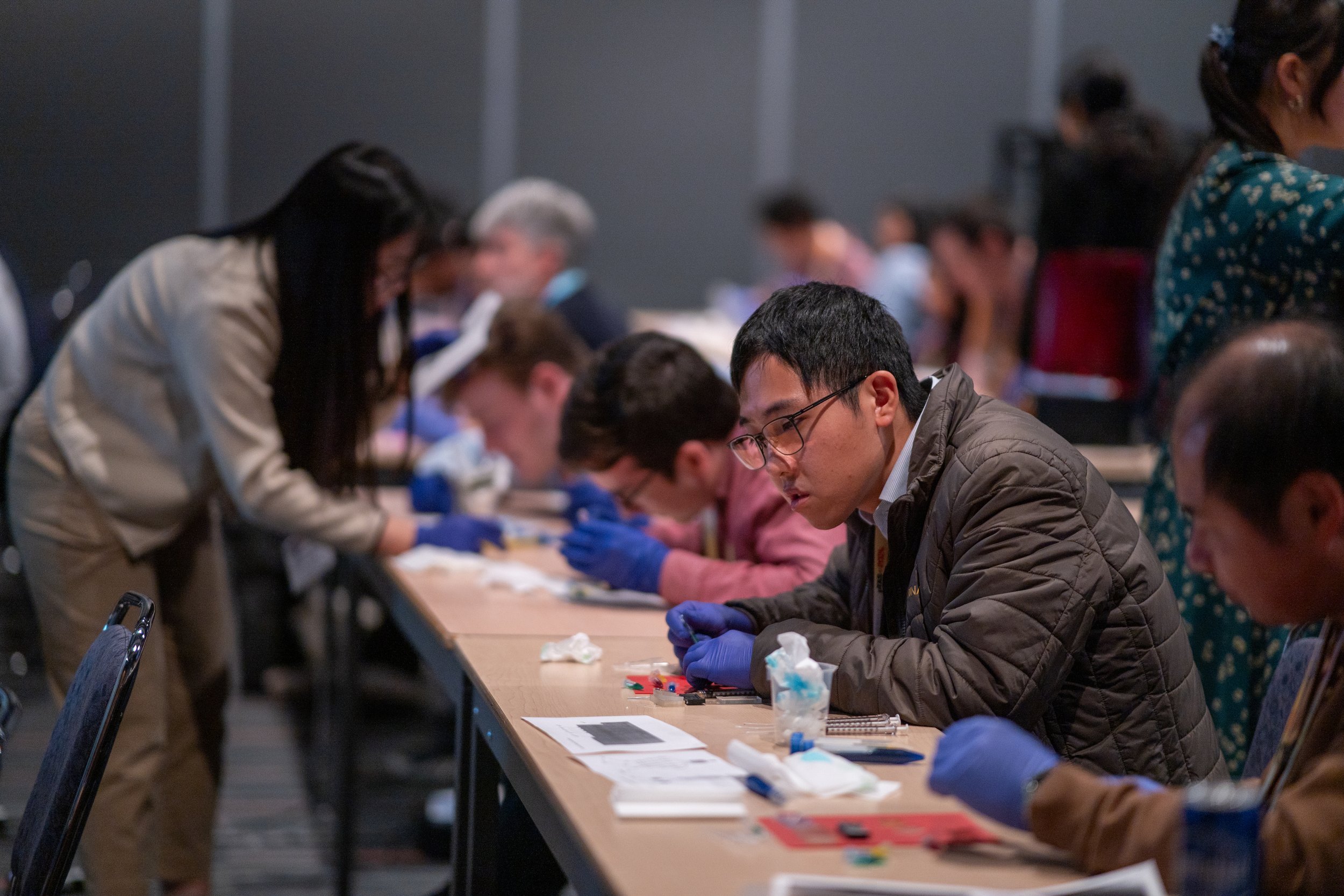
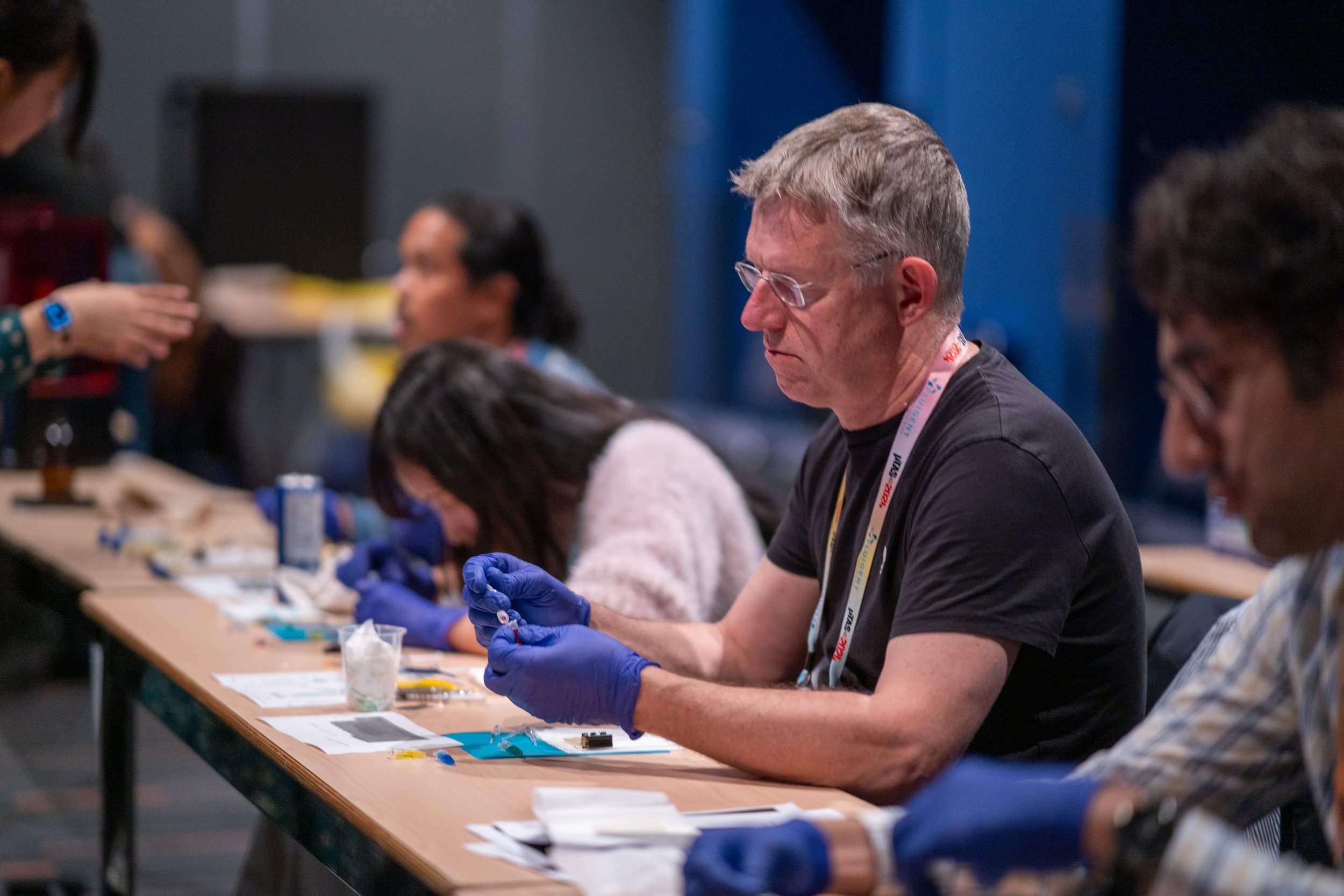
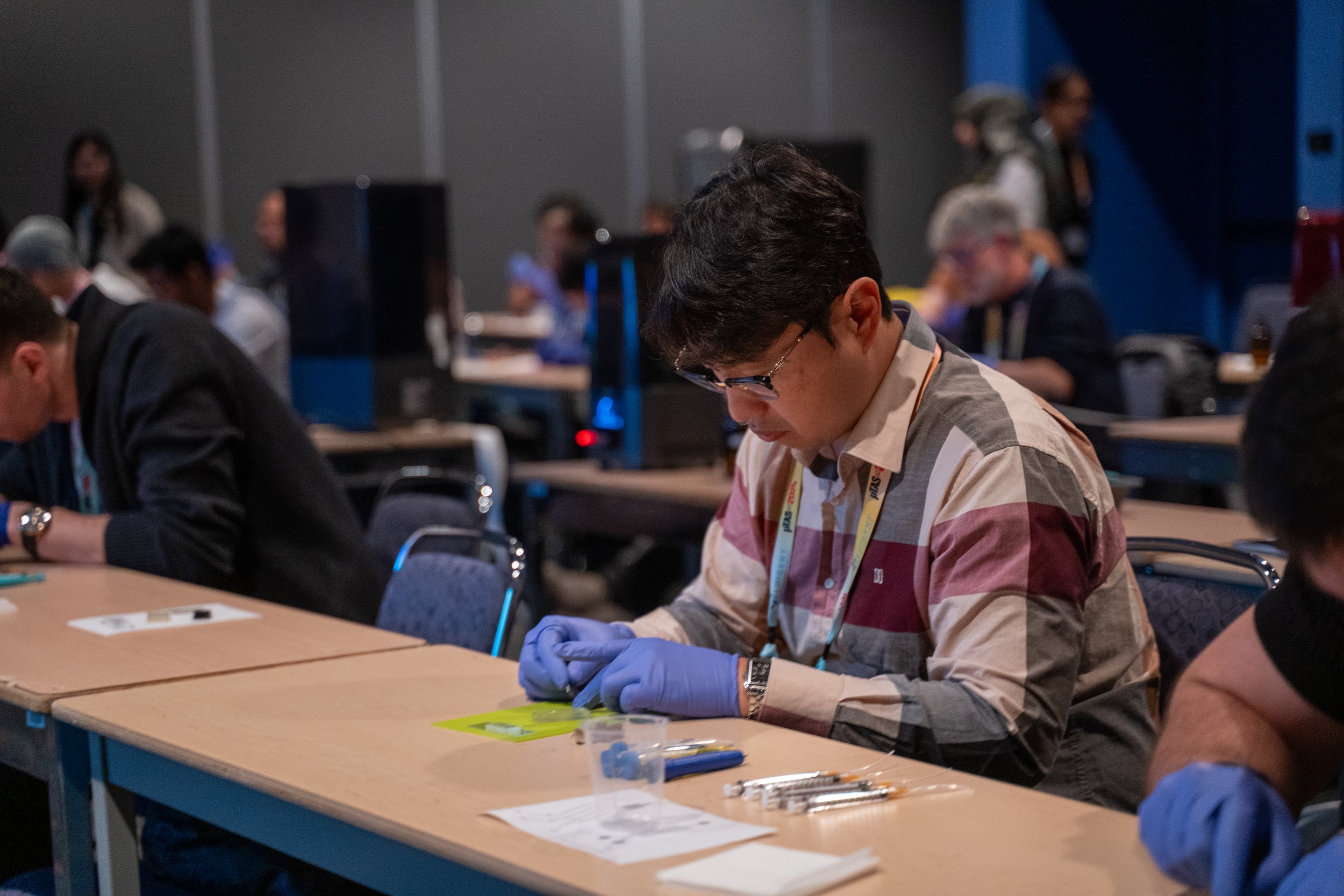
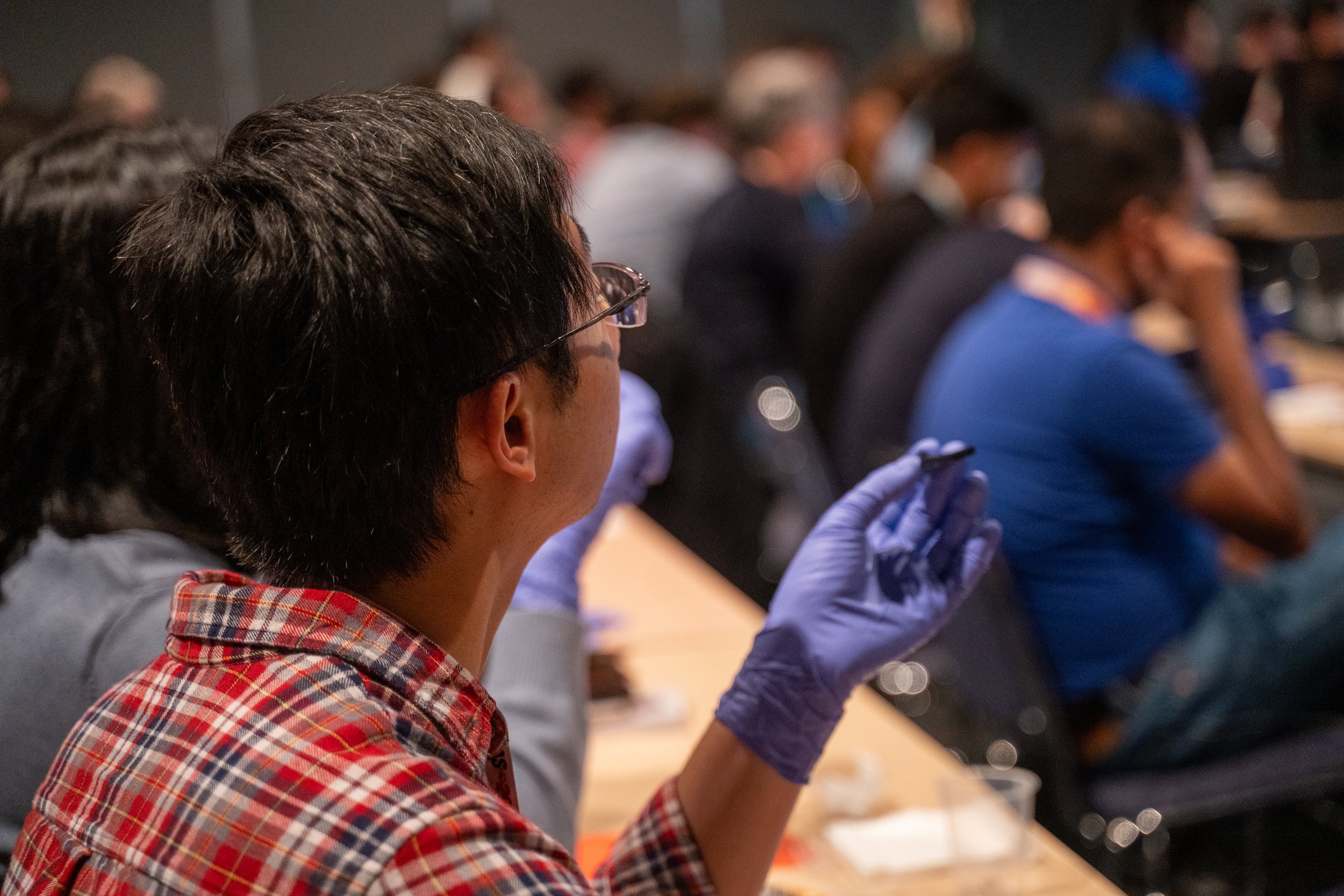
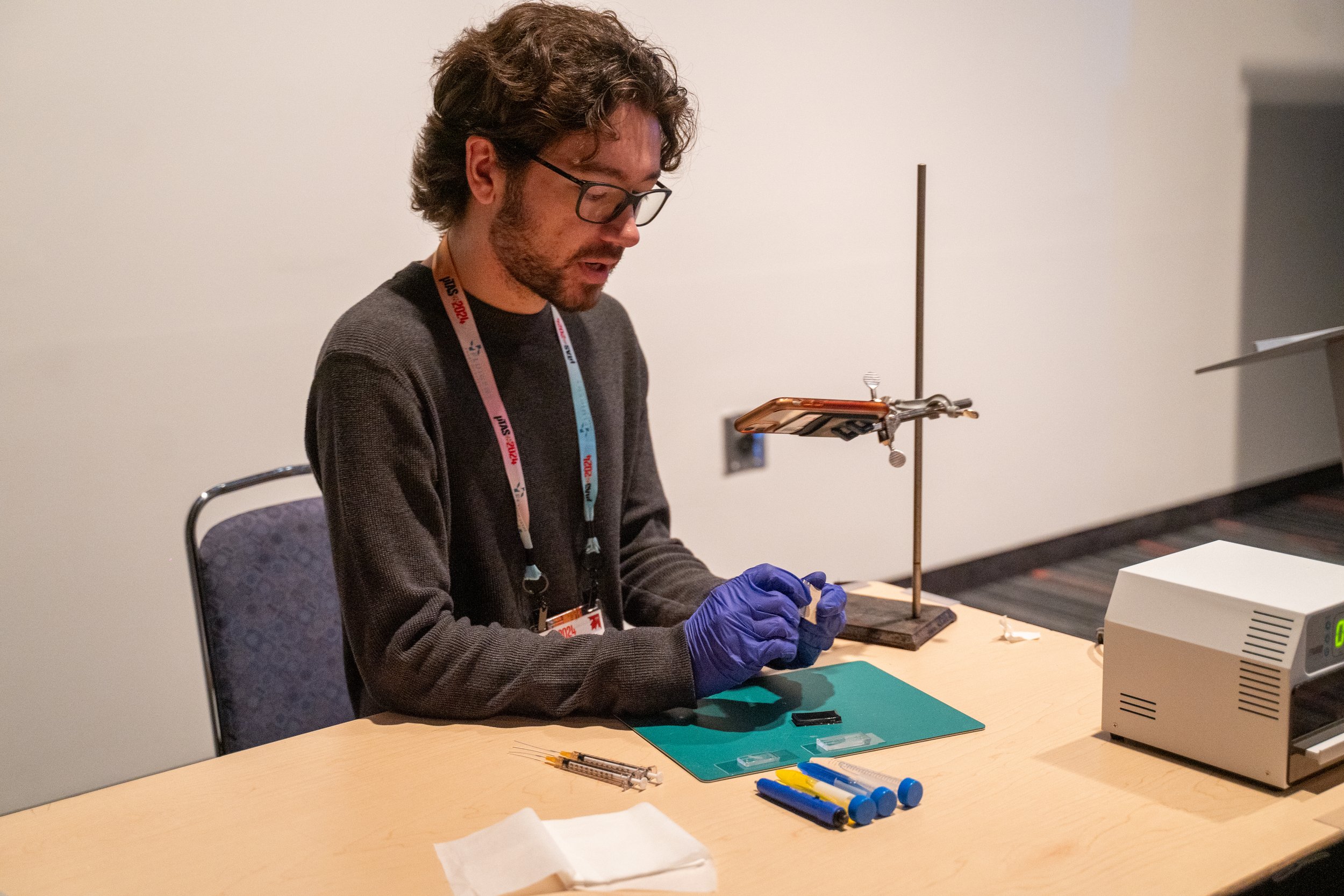
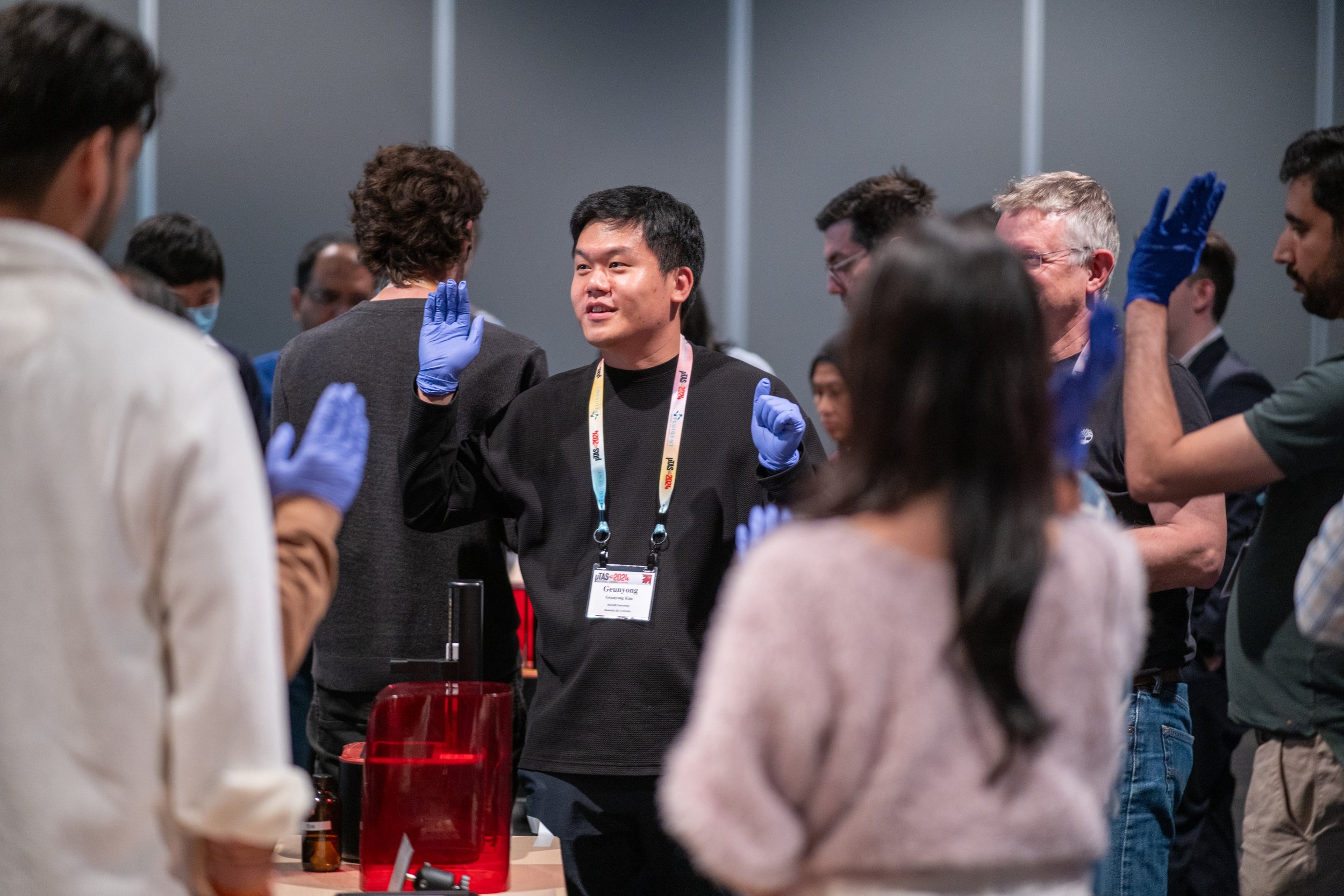
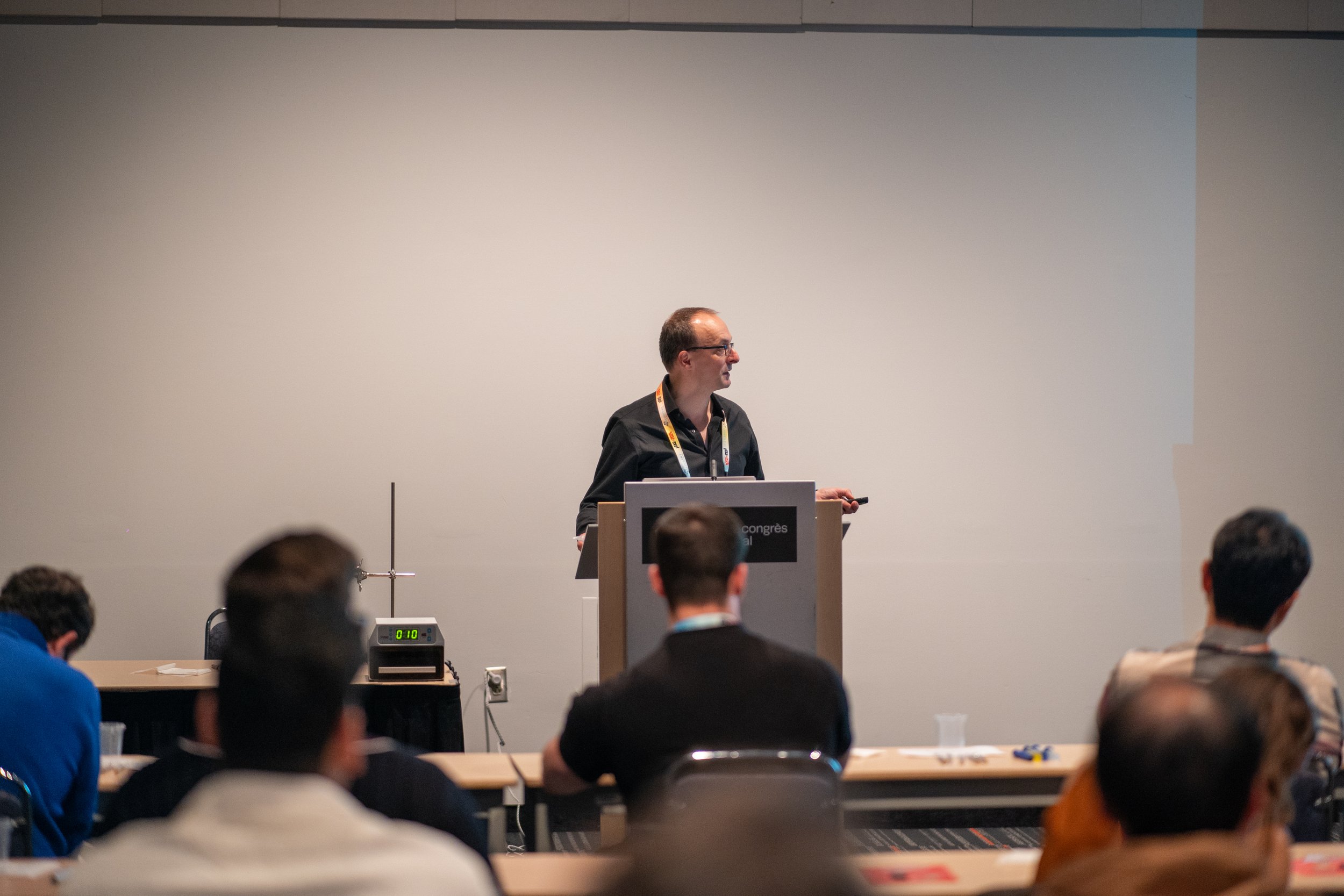
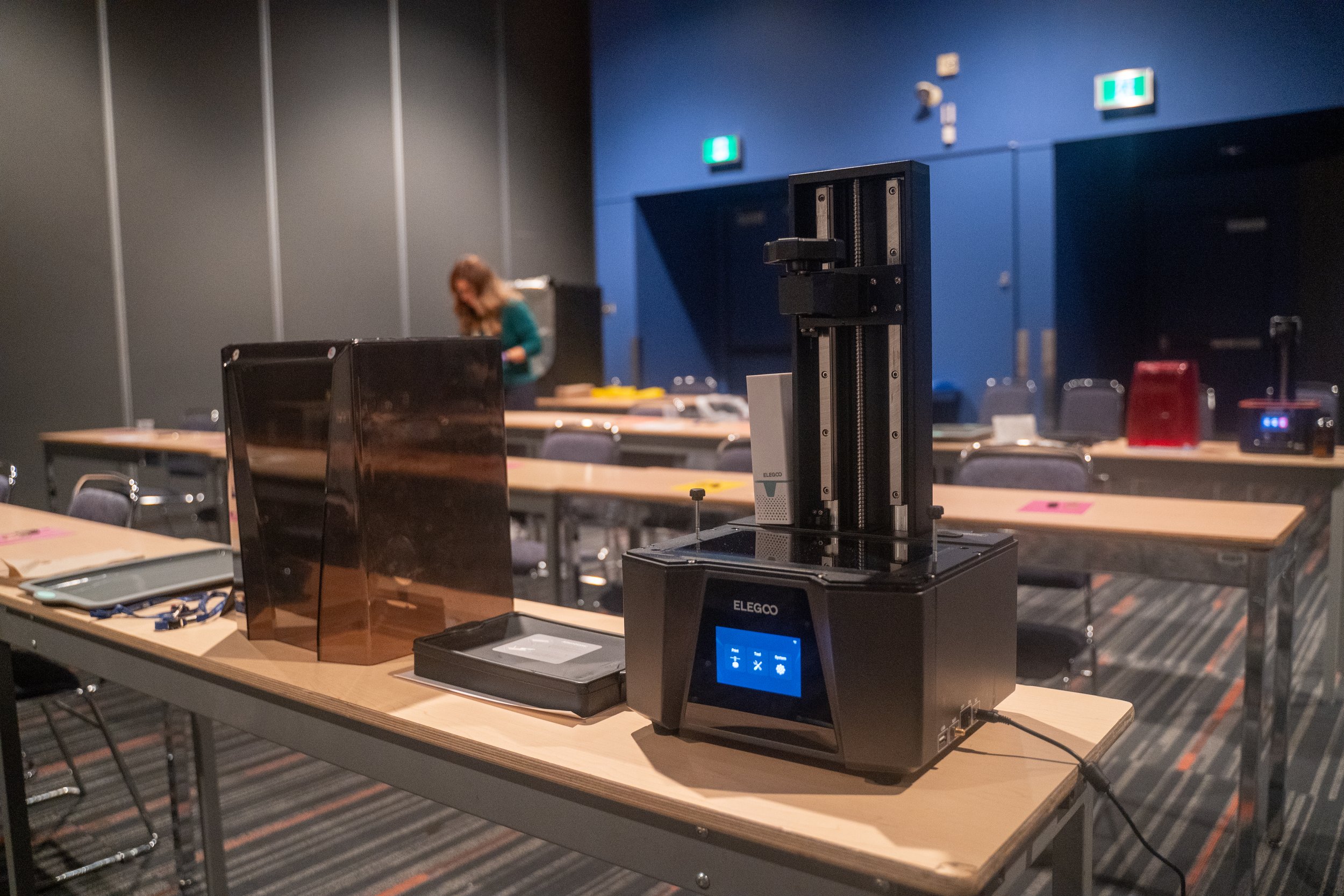
Hands-on workshop at microtas 2024 in Montreal, Canada
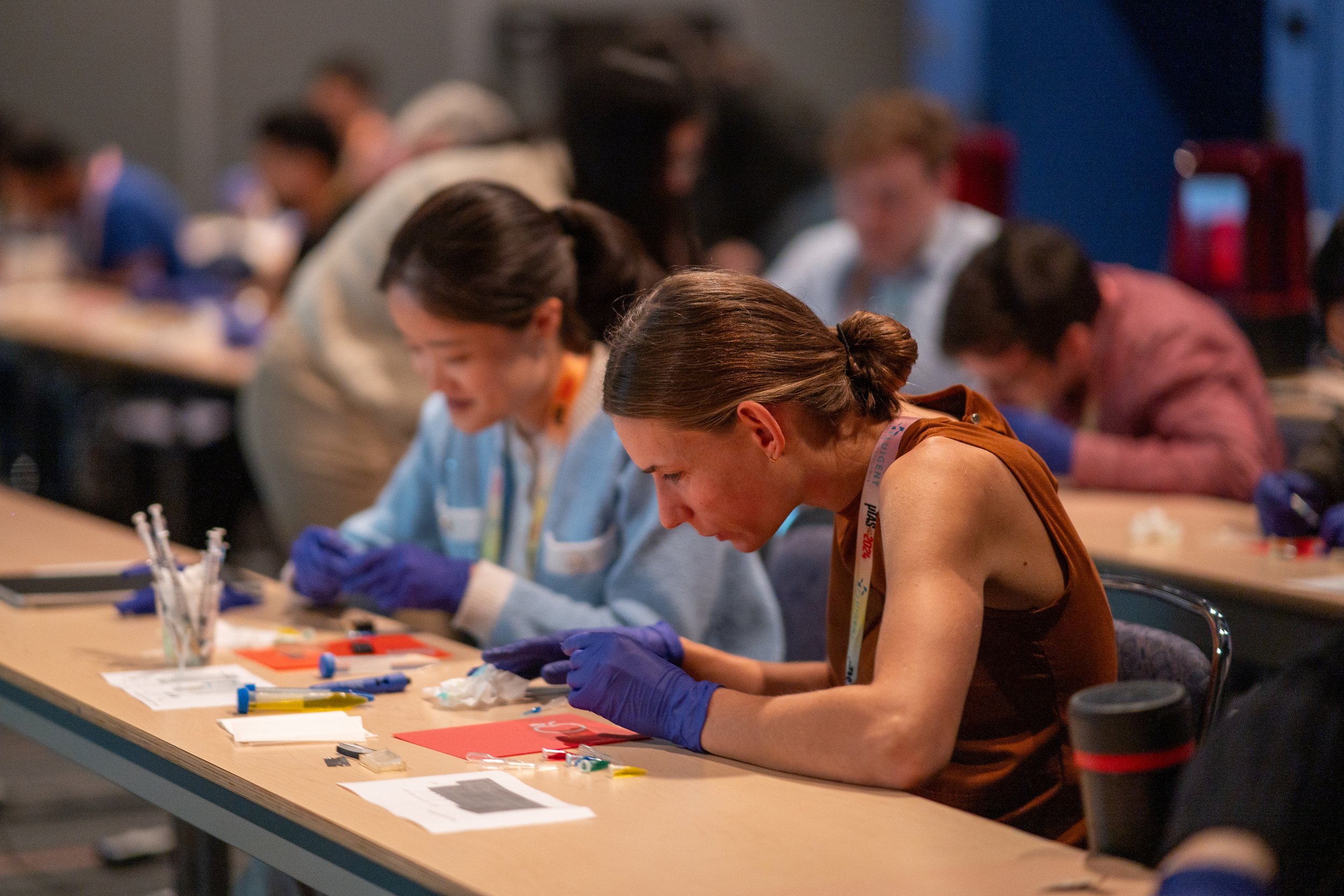
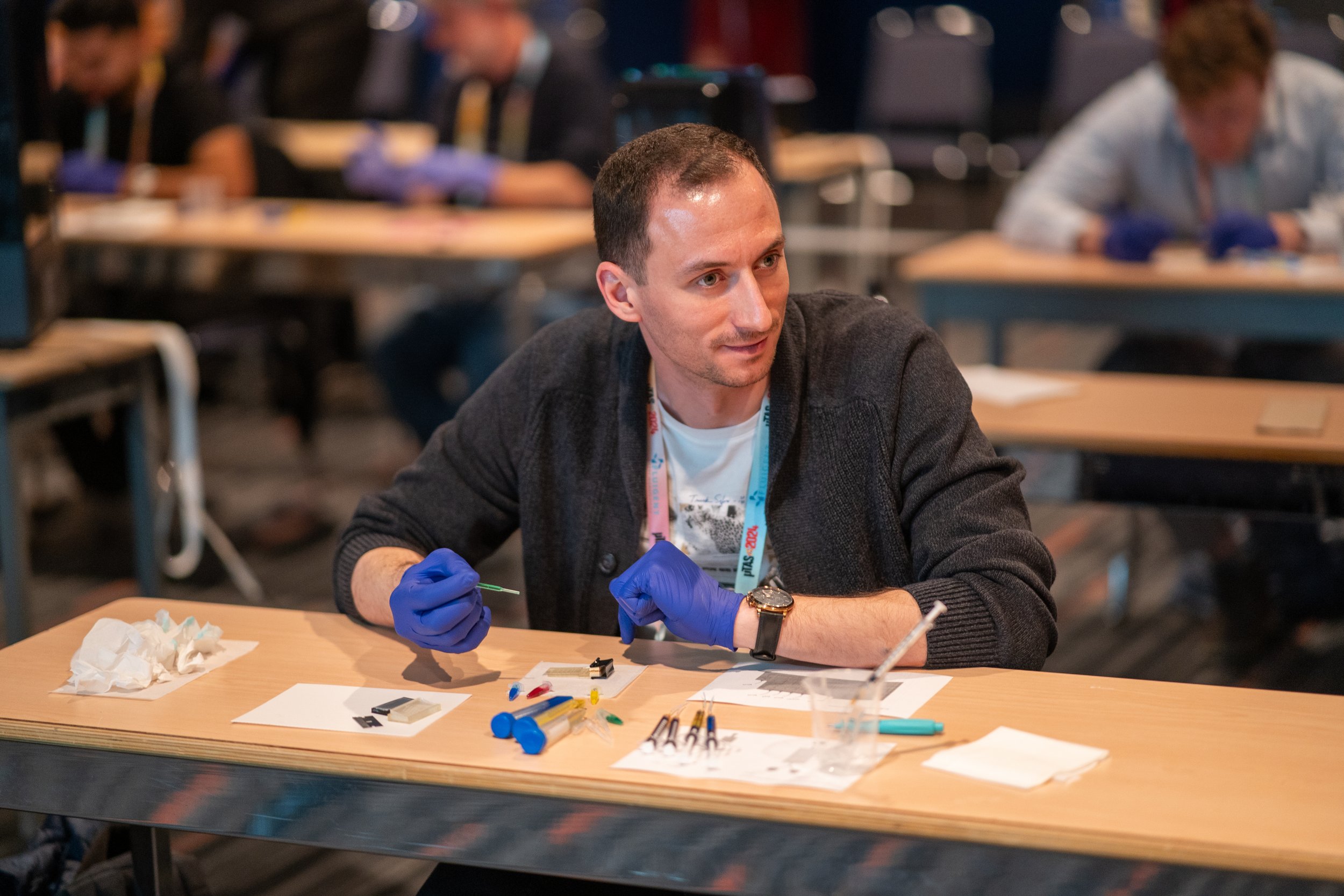
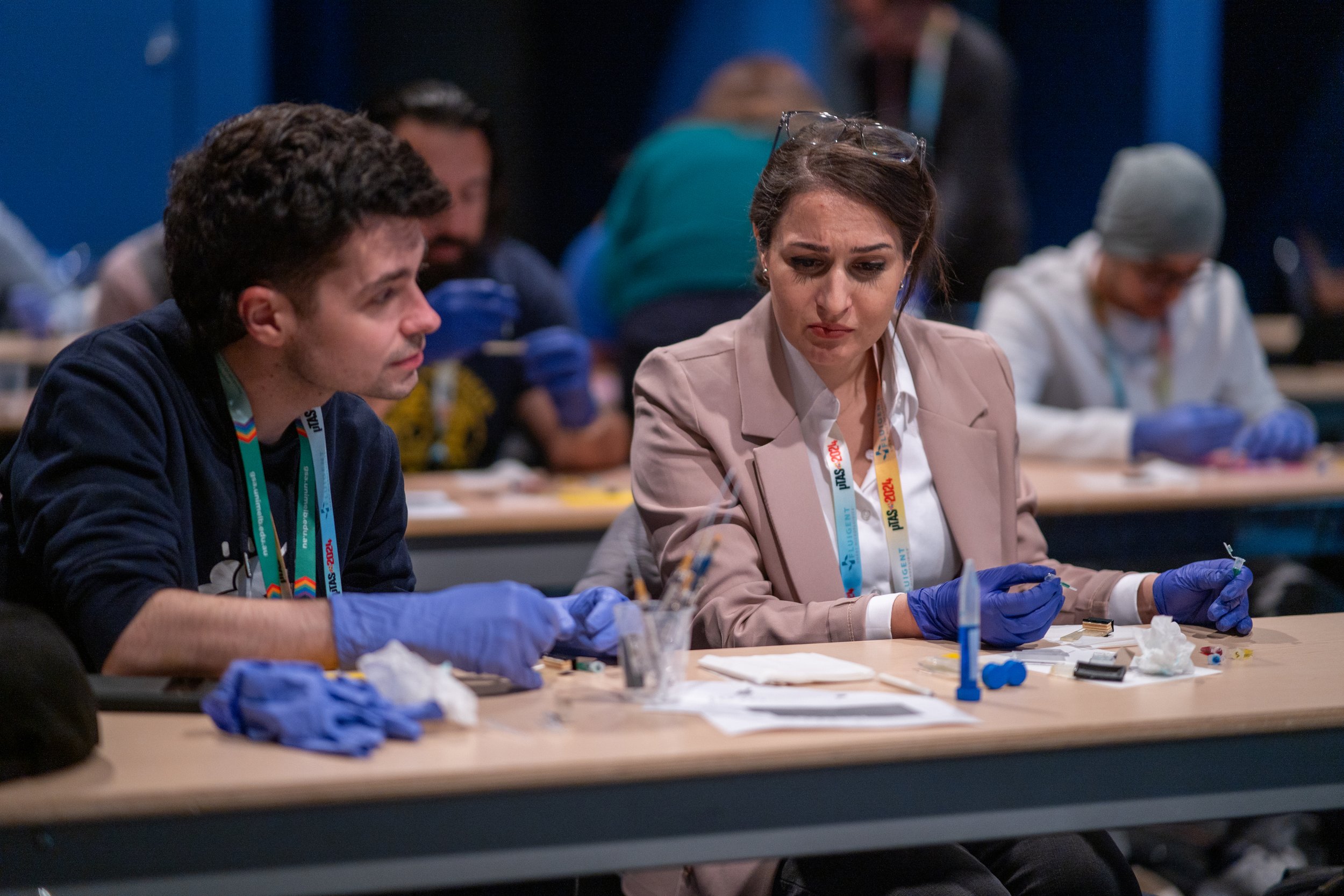
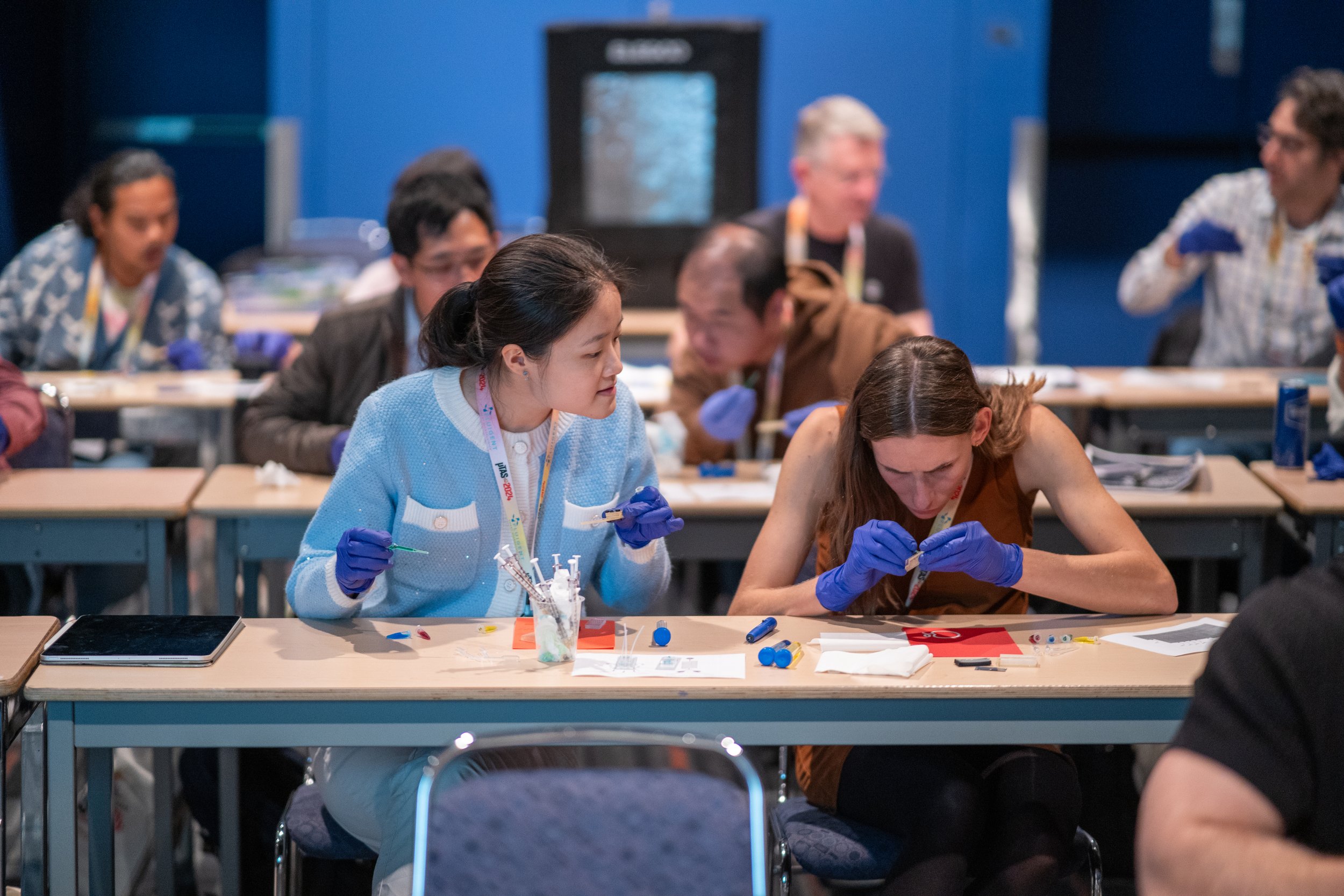
We also hosted a hands-on workshop at microTAS 2024 in Montreal, Canada, which included a tutorial overview of designing photoinks and devices for microscale 3D printing, followed by hands-on demonstrations of on-the-spot microfluidic device fabrication using low-cost LCD 3D printers. Participants 3D printed various devices, including PDMS master molds of droplet generators and micromixers, surface channel capillaric circuits, and embedded microchannel organ-on-a-chip devices at the conference venue, and then operated the chips with the help on our instructors to observe fluid flow in the different chip designs. We also included failed prints and devices to teach participants how to troubleshoot their designs in real lab settings. Visit the microTAS workshop website here.
Tutorial workshop at microtas 2026 in granada, spain
We hosted a tutorial workshop at microTAS 2026 in Granada, Spain, which included three introductory lectures on photopolymerization 3D printing of microscale features. The talks provided an overview of photopolymerization 3D printing, including history, origins, and emerging techniques. We discussed common methods including laser-based printing, high-resolution DLP and low-cost, high-resolution LCD systems, as well as advanced methods such as two-photon photopolymerization and holographic printing. The workshop also explored the taught of photopolymerization, resin and ink formulation, and applications in microfluidics and bioprinting, as well as case studies for current projects in the lab. Finally, vendor showcase presentations and demonstrations were included to highlight the capabilities, applications, and opportunities enabled by these technologies. Visit the microTAS workshop website here.
Investigators

David juncker
Principal Investigator
Professor and Chair, Biomedical Engineering, McGill University

Nooshin Karami
Co-Principal Investigator
Assistant Professor, Mechanical Engineering, Université de Sherbrooke

Ma’n zawati
Collaborator
Associate Professor, Human Genetics, McGill University
Student research team

Houda Shafique
PhD student, Juncker Lab

Yonatan Morocz
PhD student, Juncker Lab

Justin de vRIES
Master’s student, Juncker Lab
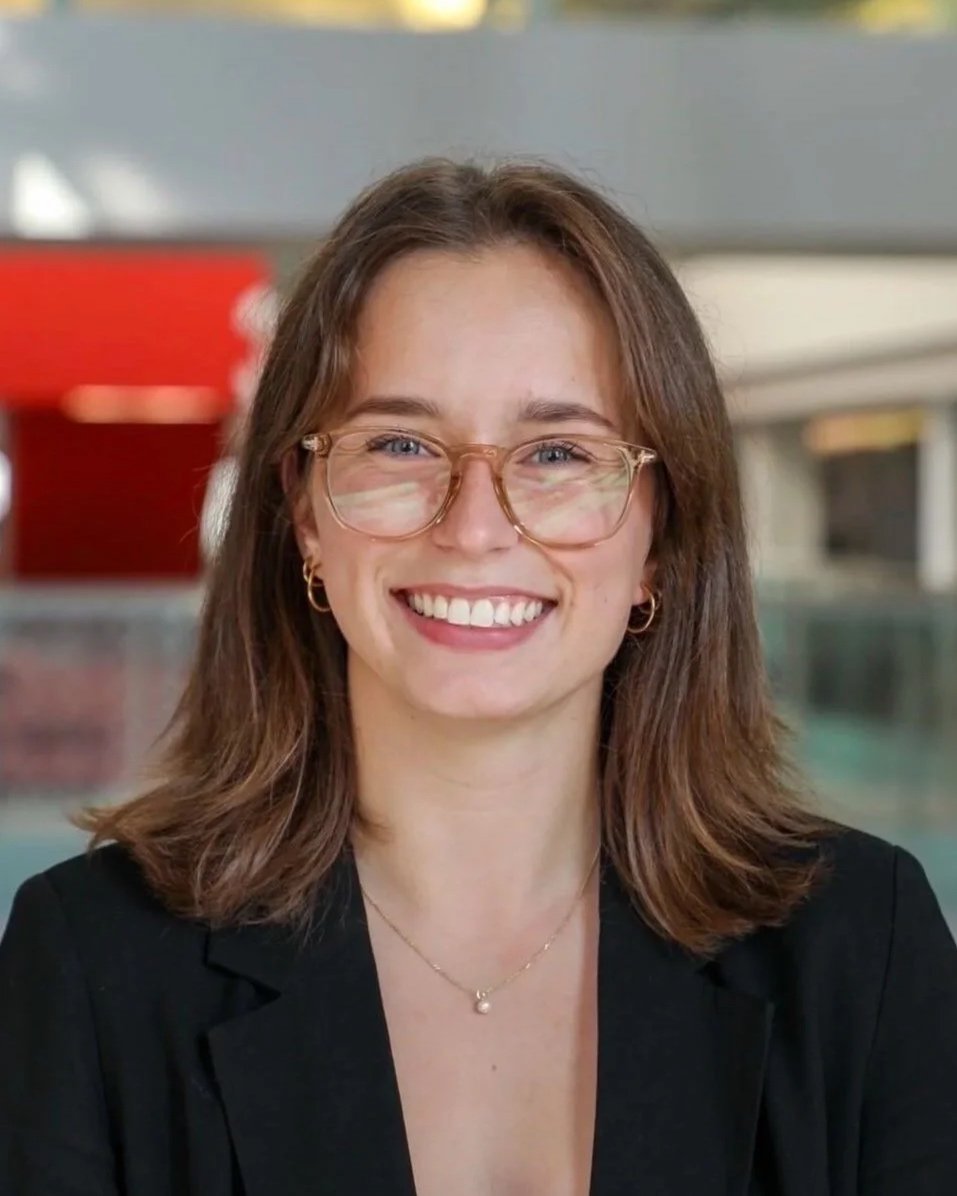
Hayley Galsworthy
PhD student, Juncker Lab

Ebby brennan
Master’s student, Juncker Lab

For any questions or inquiries, please contact us at junckerlab.workshop@gmail.com.