
HANDS-ON WORKSHOP IN 3D-PRINTING & MICROFLUIDICS FOR BIOENGINEERING
AUGUST 12–14, 2026
MCGILL UNIVERSITY
Overview
Course Content
Schedule
Keynote Lecture
Location
Participant Feedback
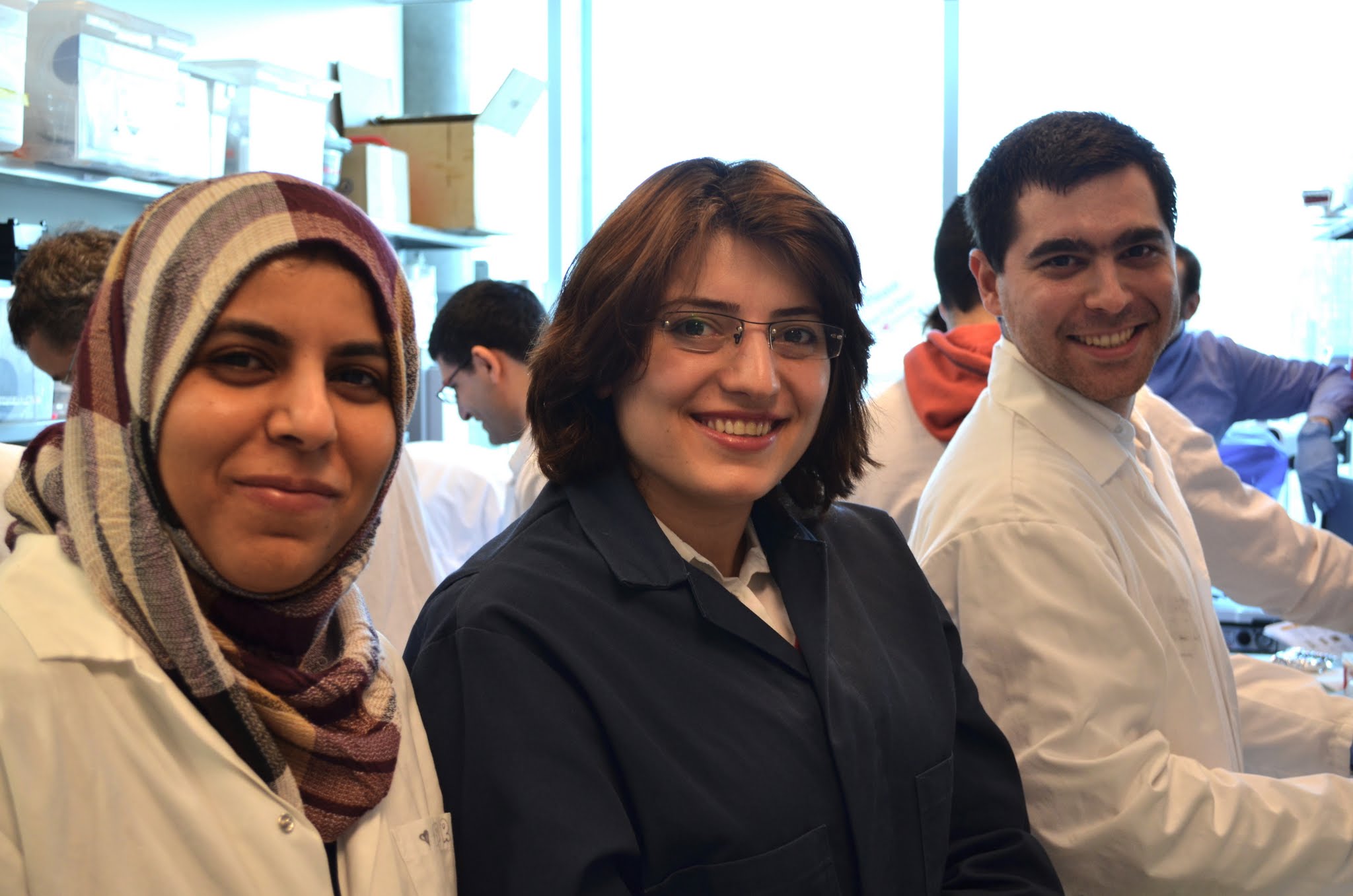
Meet Our Team
Sponsors
OVERVIEW
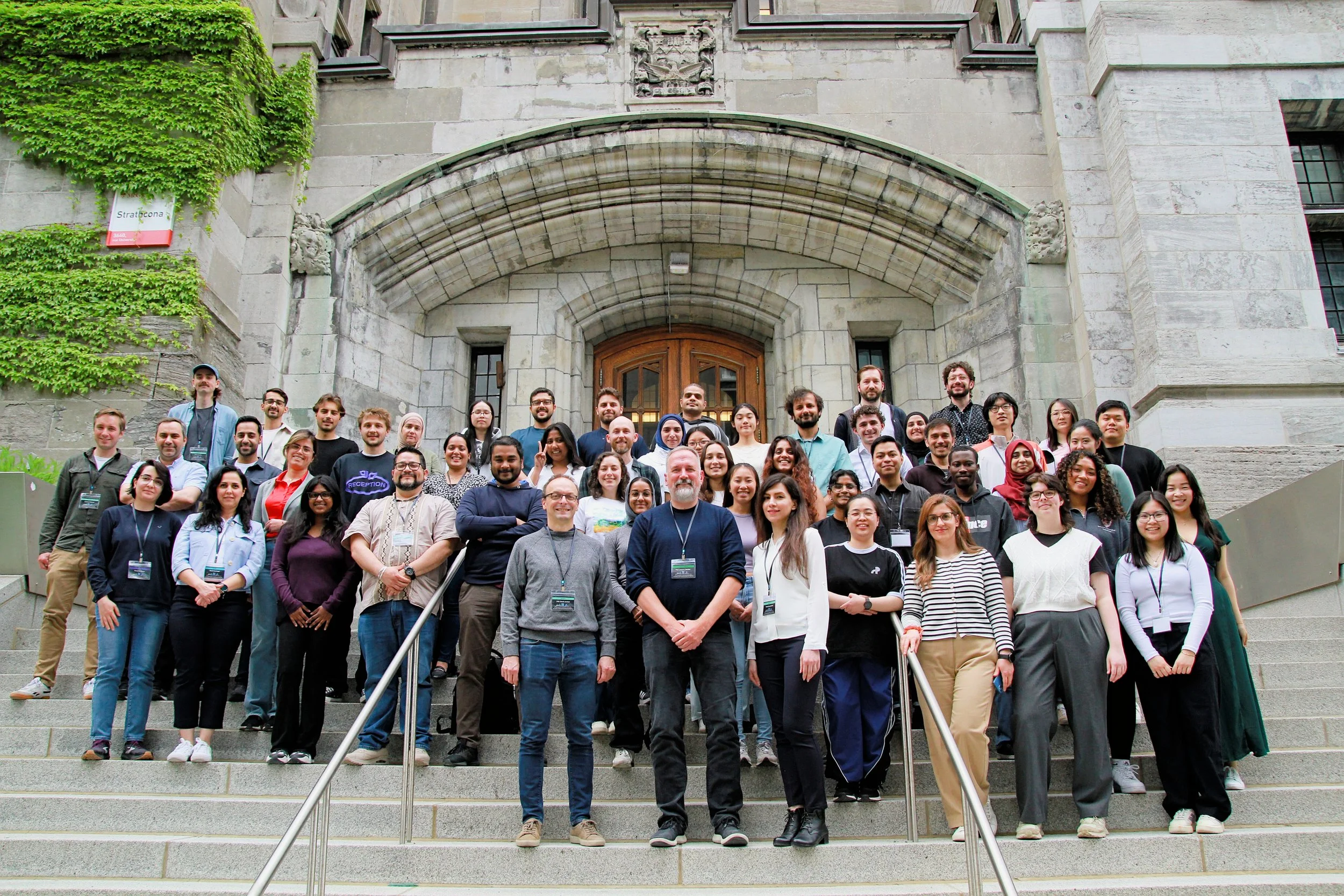
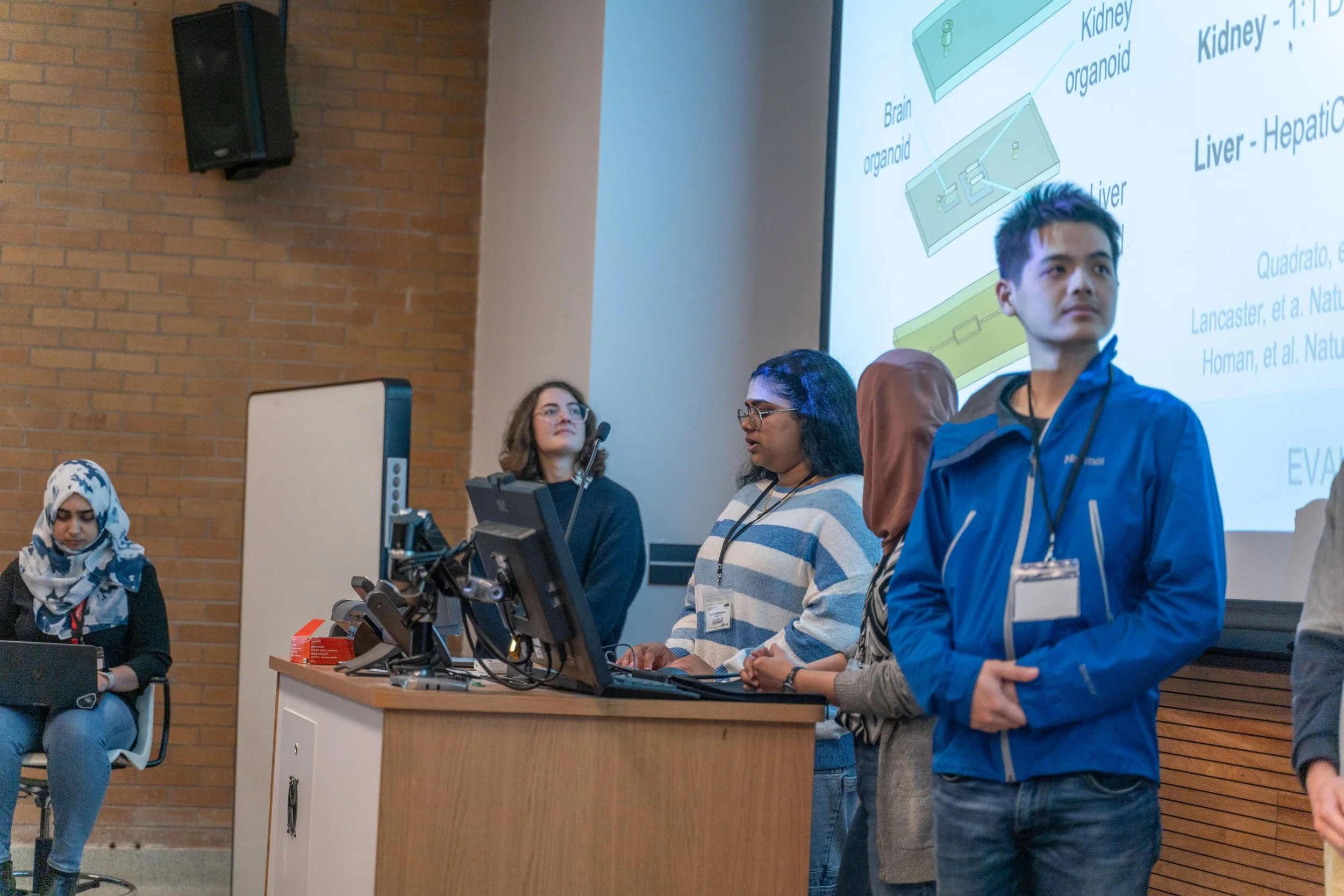
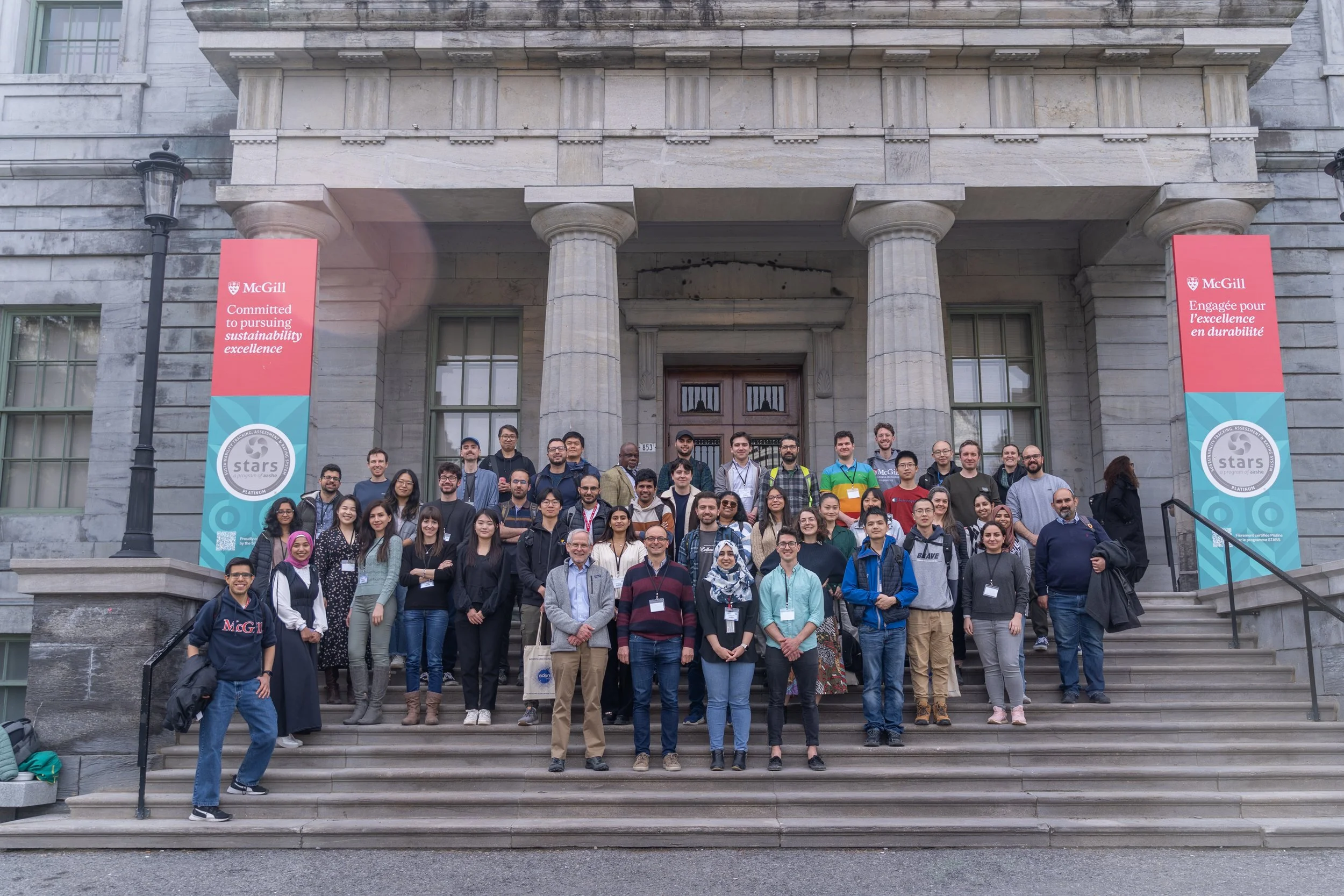
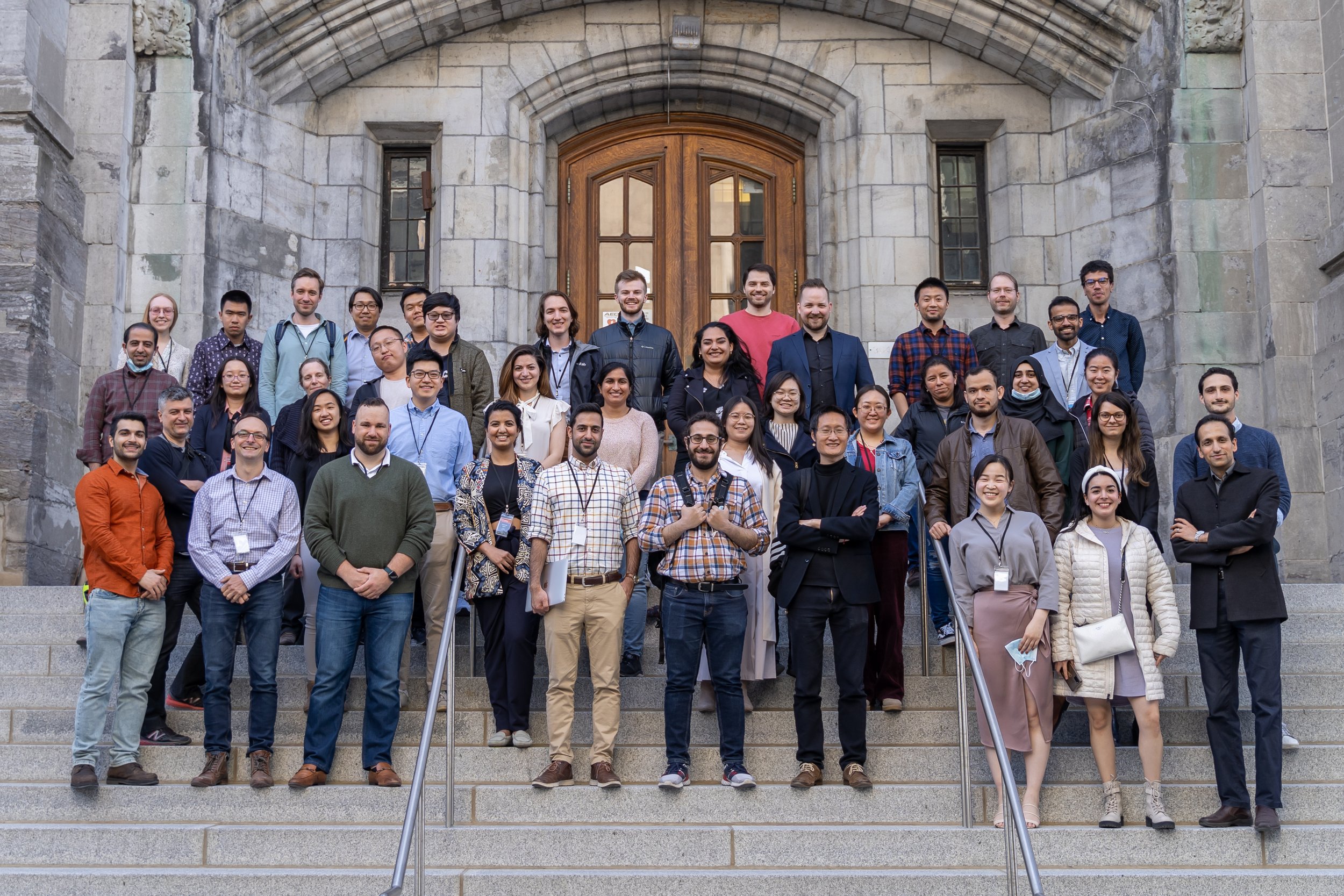
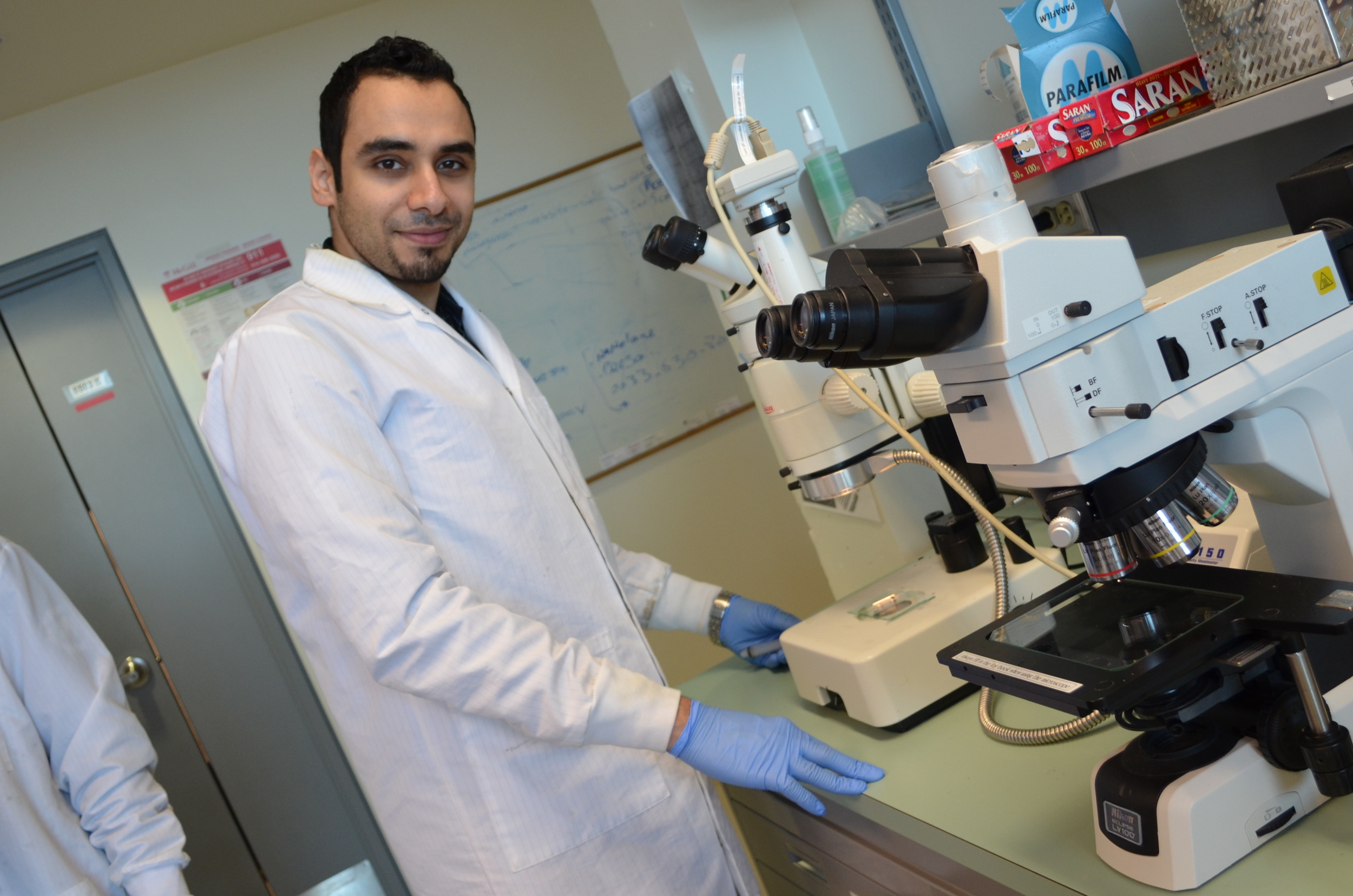
The 16th annual Hand's on Workshop in Micro and Nano Bioengineering will be held in August 12–14, 2026 at McGill Univeristy in Montréal, Québec. Participants will learn the foundations of micro and nano biotechnologies and gain first hand experience with Computer Aided Design (CAD), 3D printing, soft lithography, microfluidic cell culture and more. Our last workshop hosted 50 attendees from industry and academia partaking in the workshop and we look forward to having you join us this year!
The course is open to students, scientists, engineers, and industry professionals in any area of research who would like to learn more about micro and nanoscience technology in general. The course is of particular interest to biomedical researchers, chemists, physicists, as well as biomedical, mechanical, chemical, and materials engineers.
Open All | Close All
MODULE 1: LECTURES SERIES
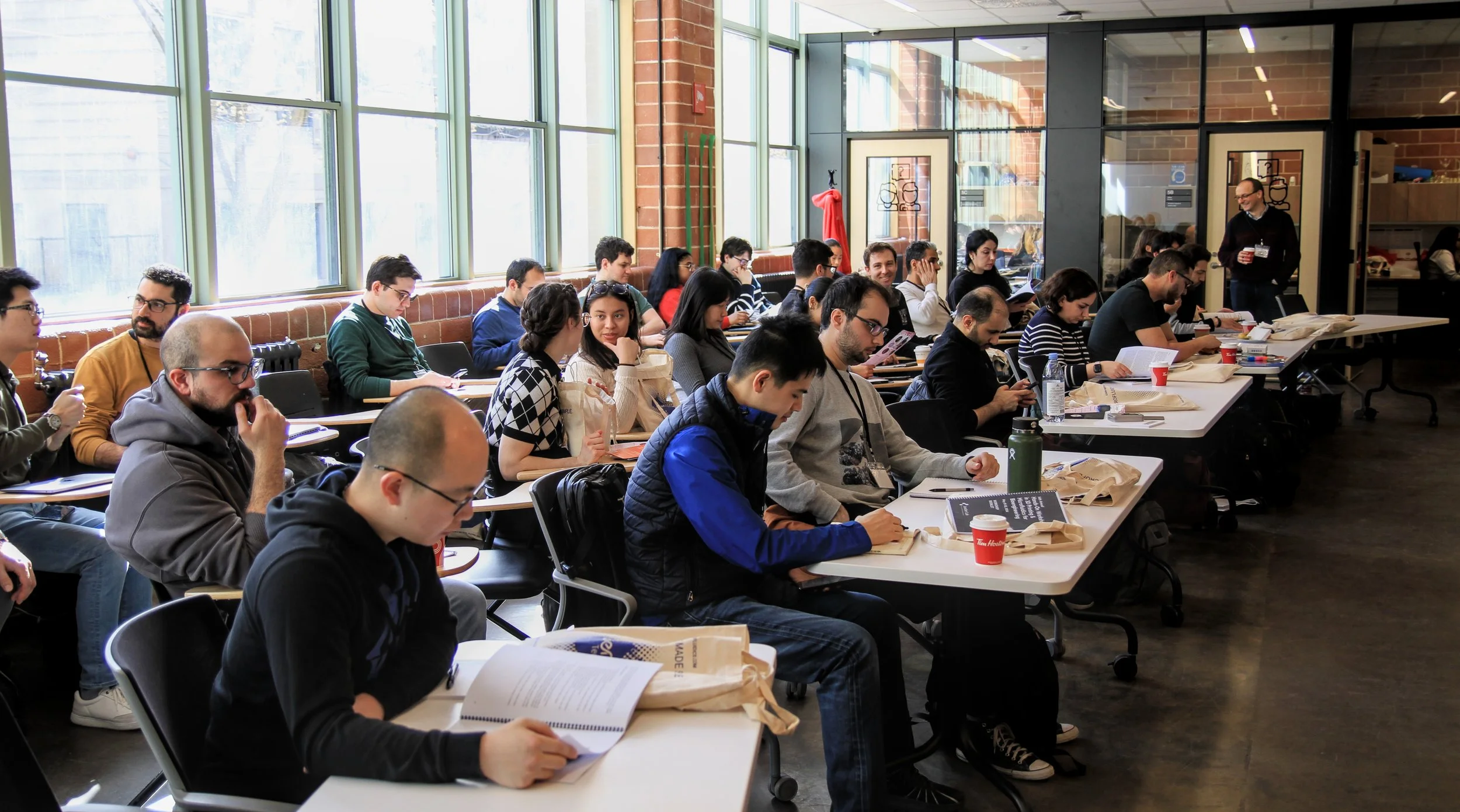
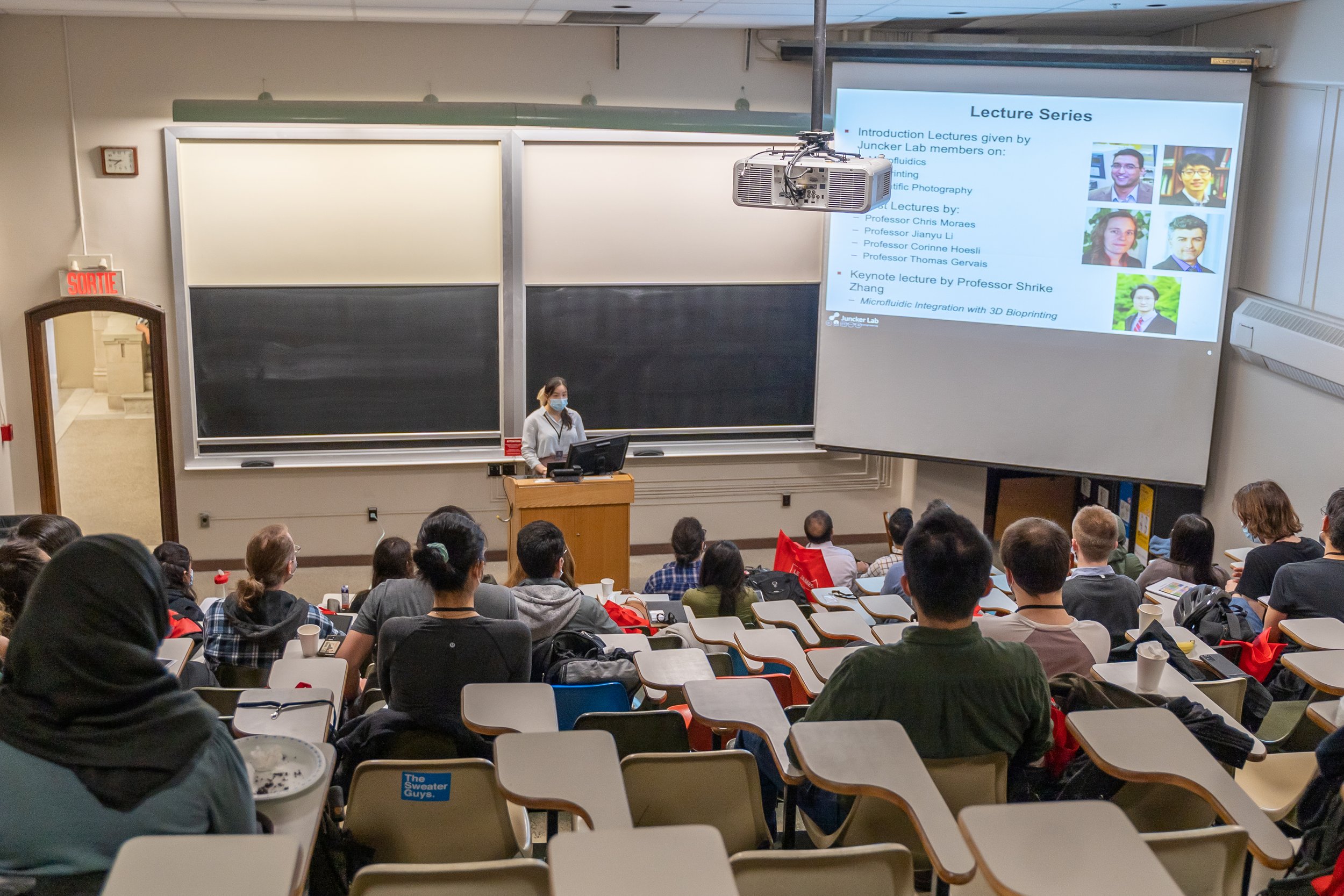
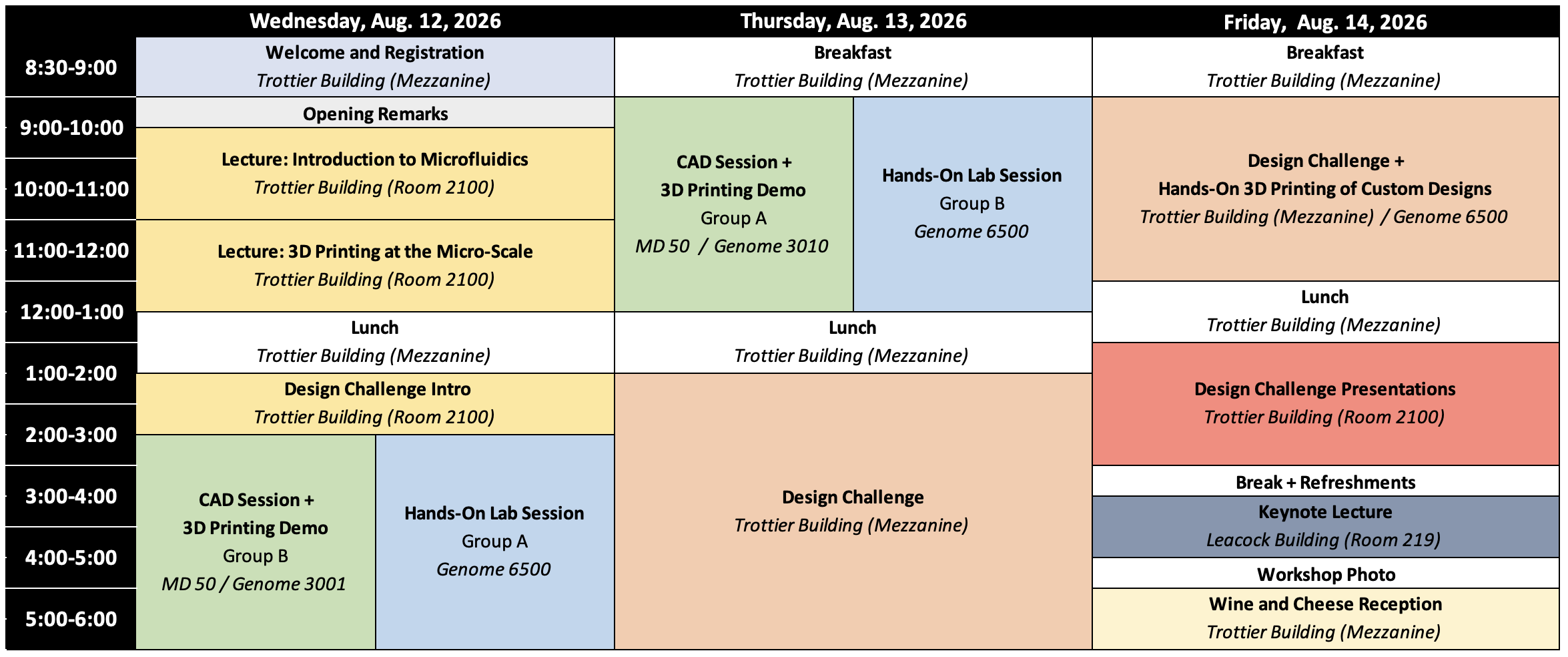
The workshop will begin with an introduction on microfluidics and 3D printing techniques for biomedical applications. This year, we will highlight microfluidic 3D cell culture devices (organ-on-chip devices) as a showcase how engineering and the life sciences can benefit from each other. We will introduce their concept, current state of the art and give an outlook on some of the current research topics (e.g. modularity, continuous on-chip assays).
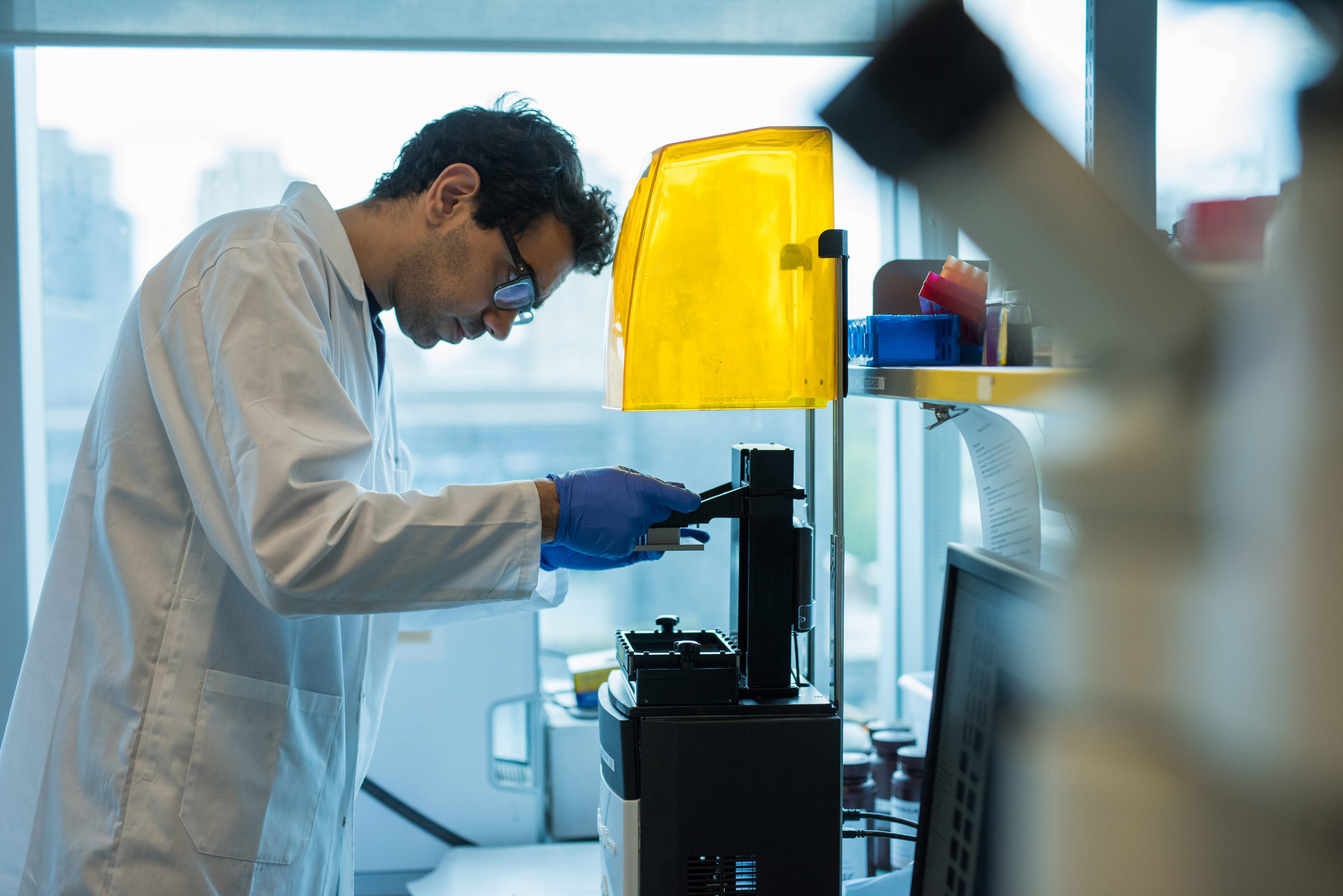
This will be followed by two in-depth lectures on the key engineering techniques behind them. The first one will be on microfluidics where we will cover the basics of fluid behaviour at the microscale and showcase common designs as well as workflows. In the second lecture we will cover the full range of common 3D printing techniques, including stereolithography and extrusion printing with a variety of biomaterials. The hands-on module and design challenge of the workshop will build on the content of these lectures.
MODULE 2: COMPUTER AIDED DESIGN (CAD) STUDIO
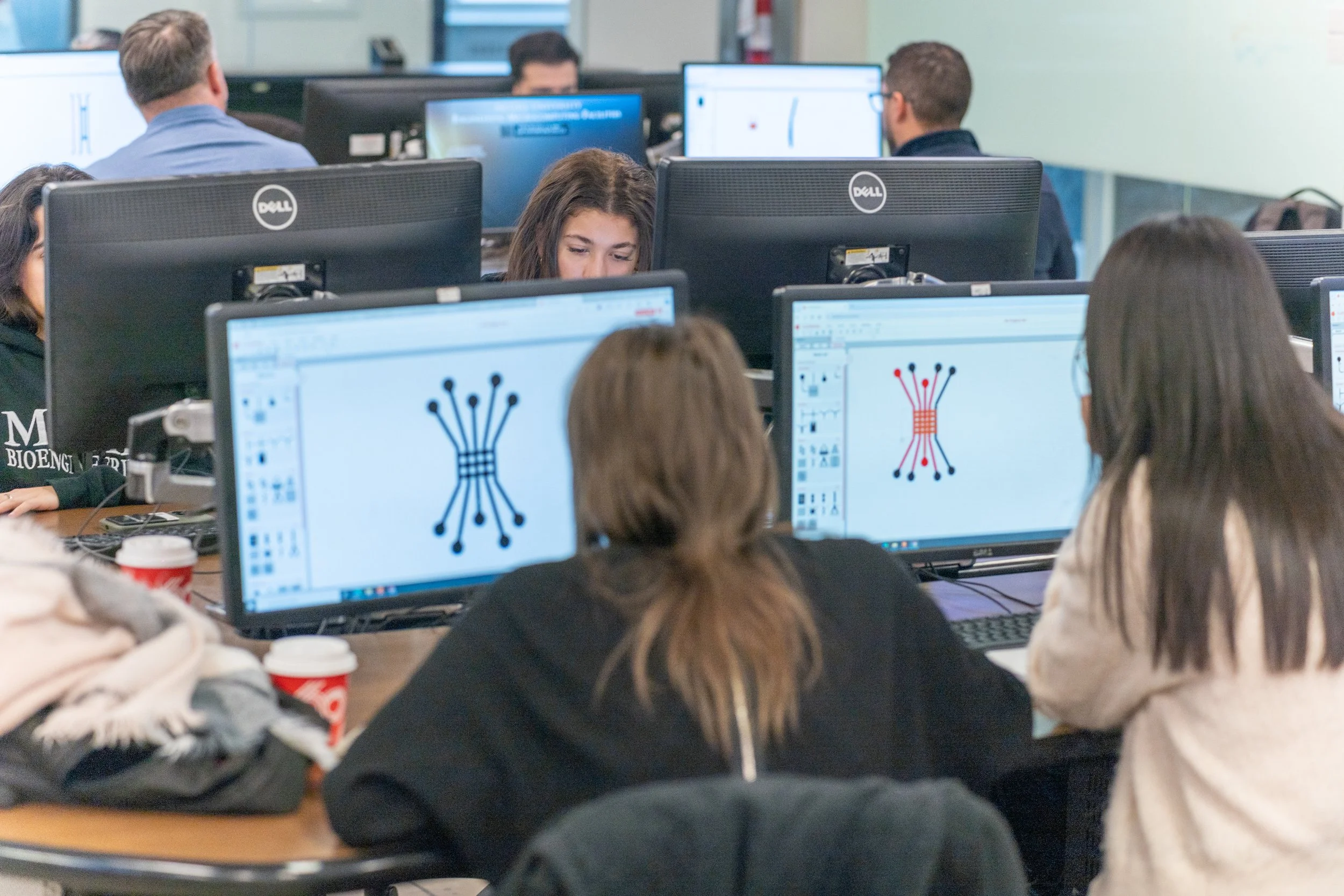
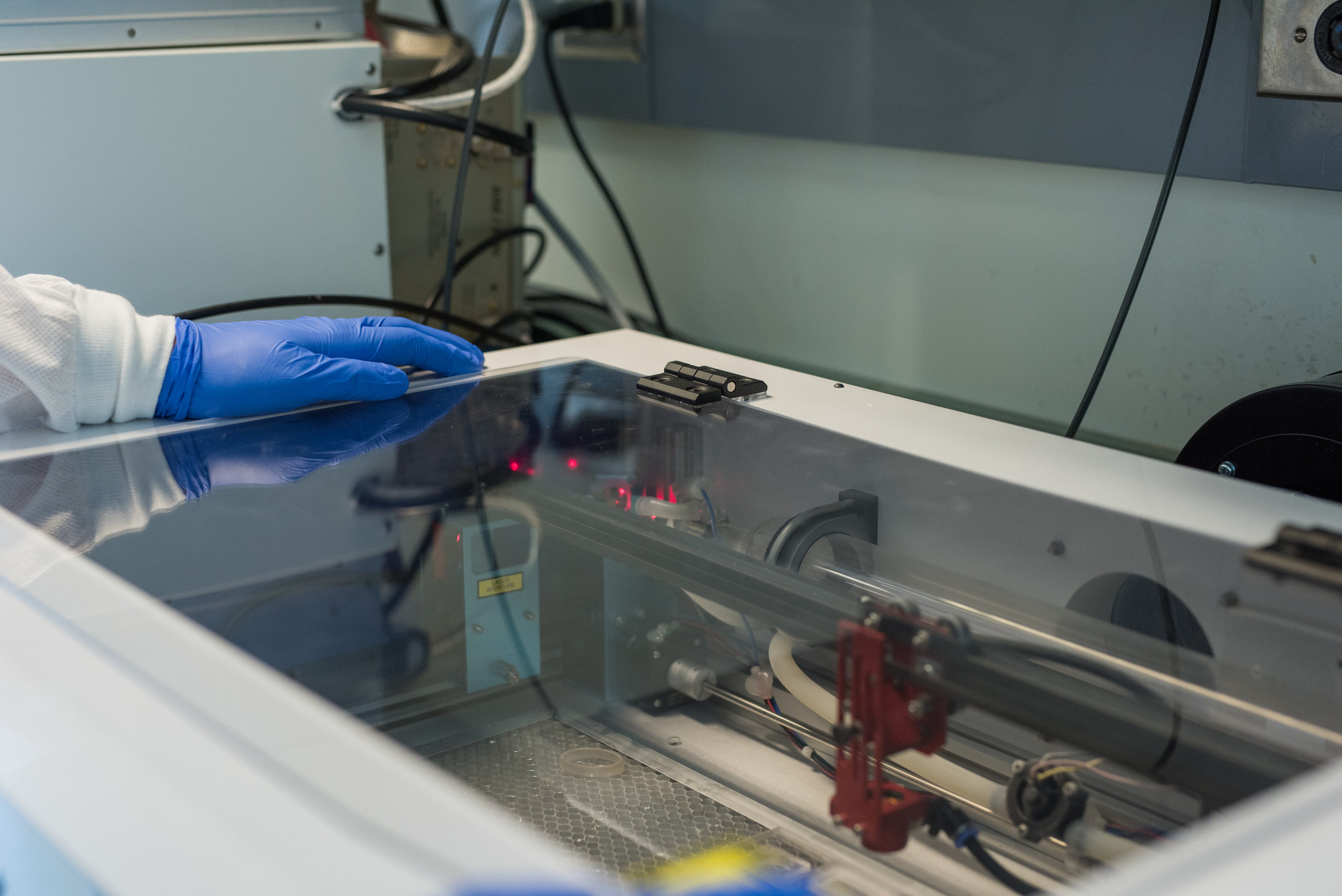
Participants will first learn the basics of Computer Aided Design (CAD) software (AutoCAD). Design rules and limitations will be discussed for high resolution 3D printing. In the interactive portion of the session, participants will design and make adjustments to a CAD model for a 3D printed microfluidic device with bioengineering applications. Participants are encouraged to design their proposed devices from the design challenge on the second workshop day and will have the chance to 3D print their devices during the final lab session. Computers are provided, however, participants are encouraged to bring their own laptops.
MODULE 3: HANDS-ON LAB SESSION
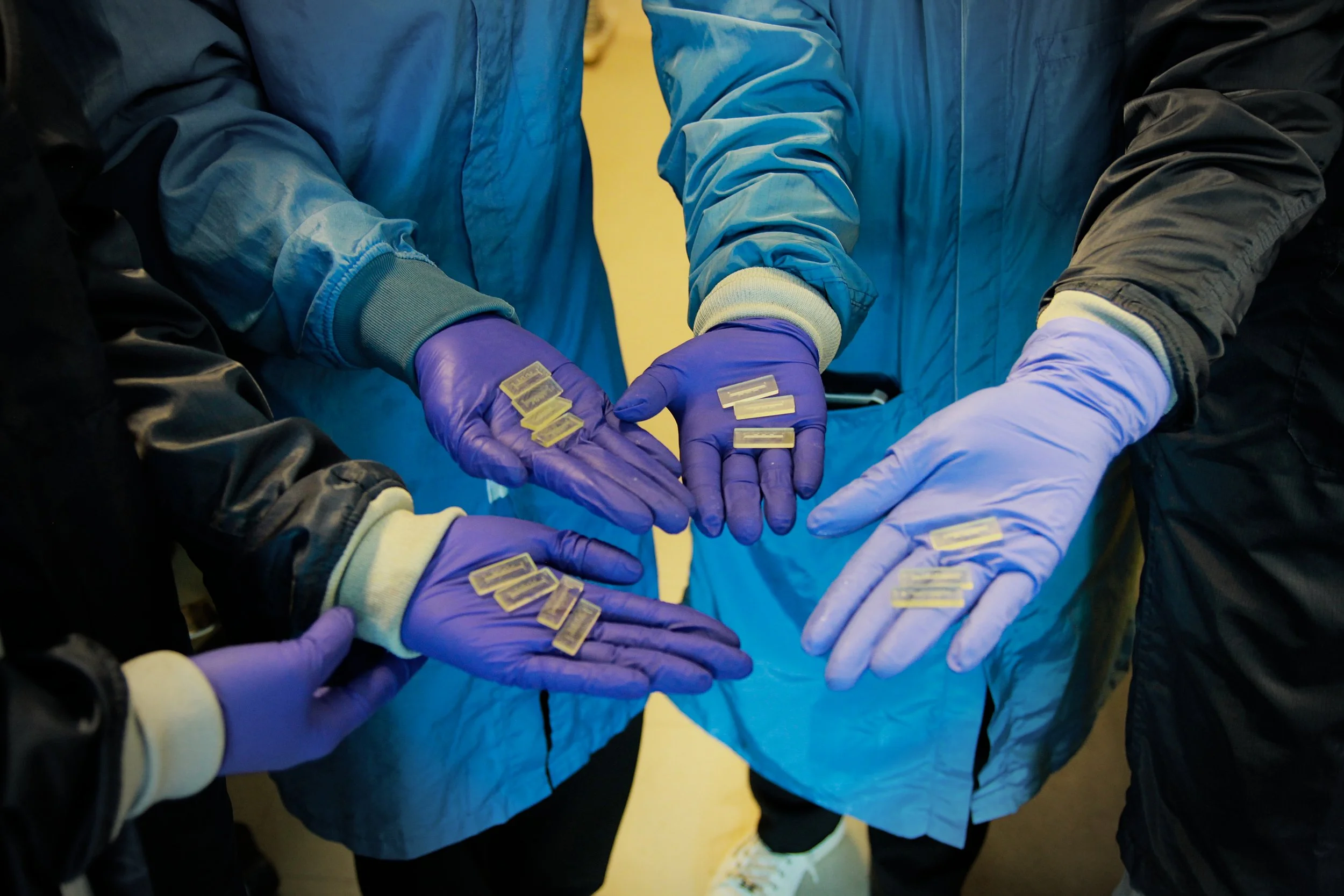
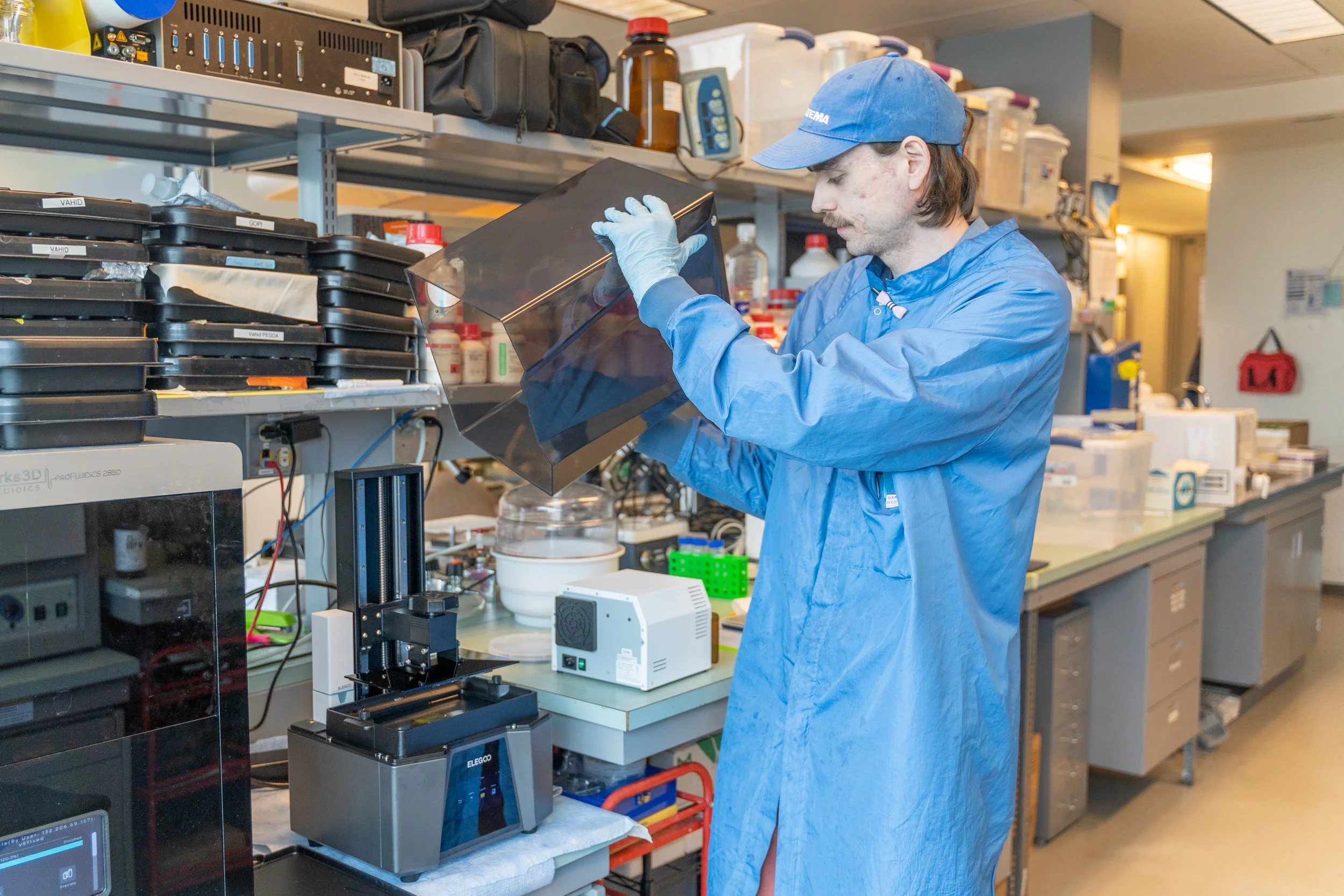
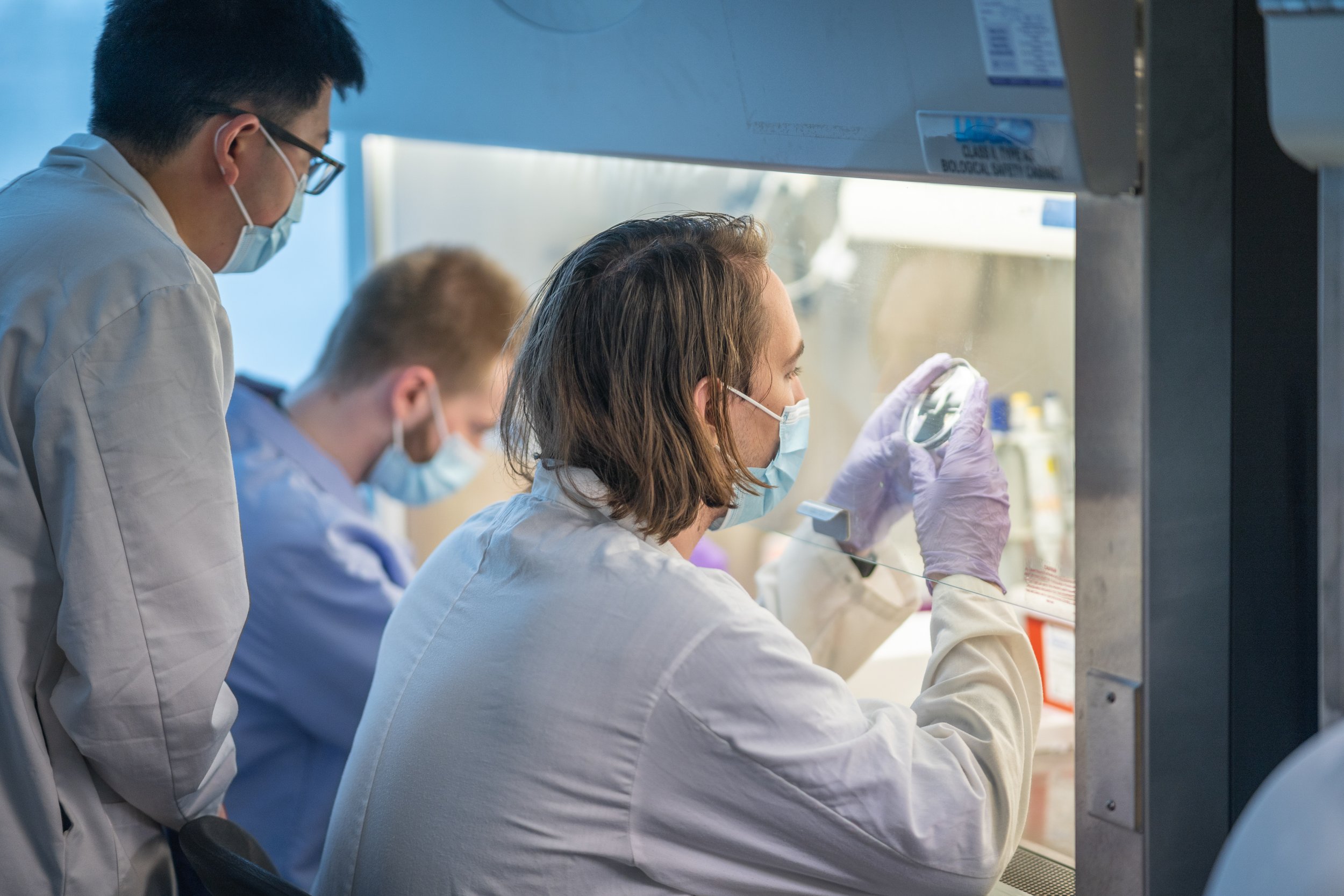
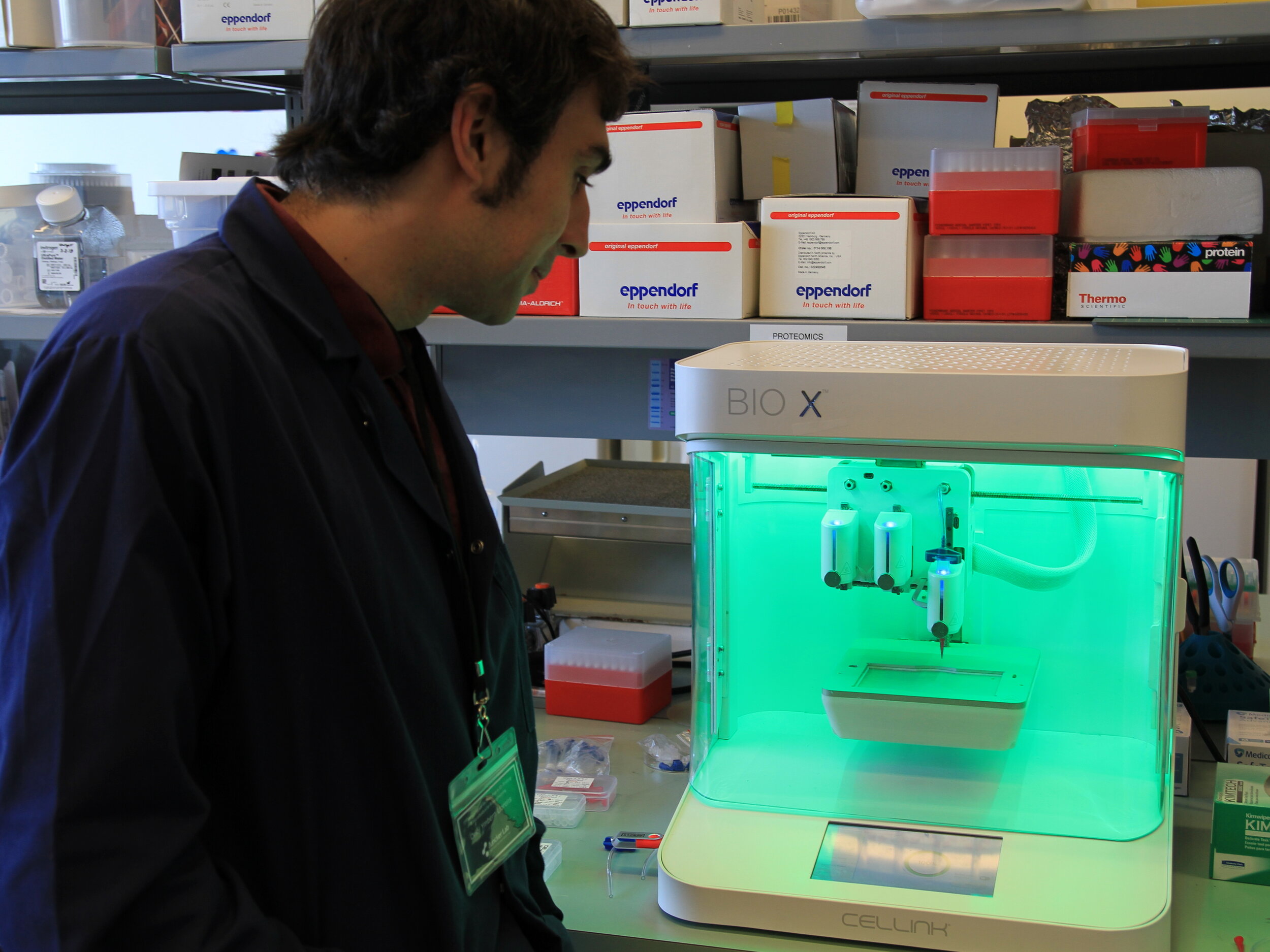
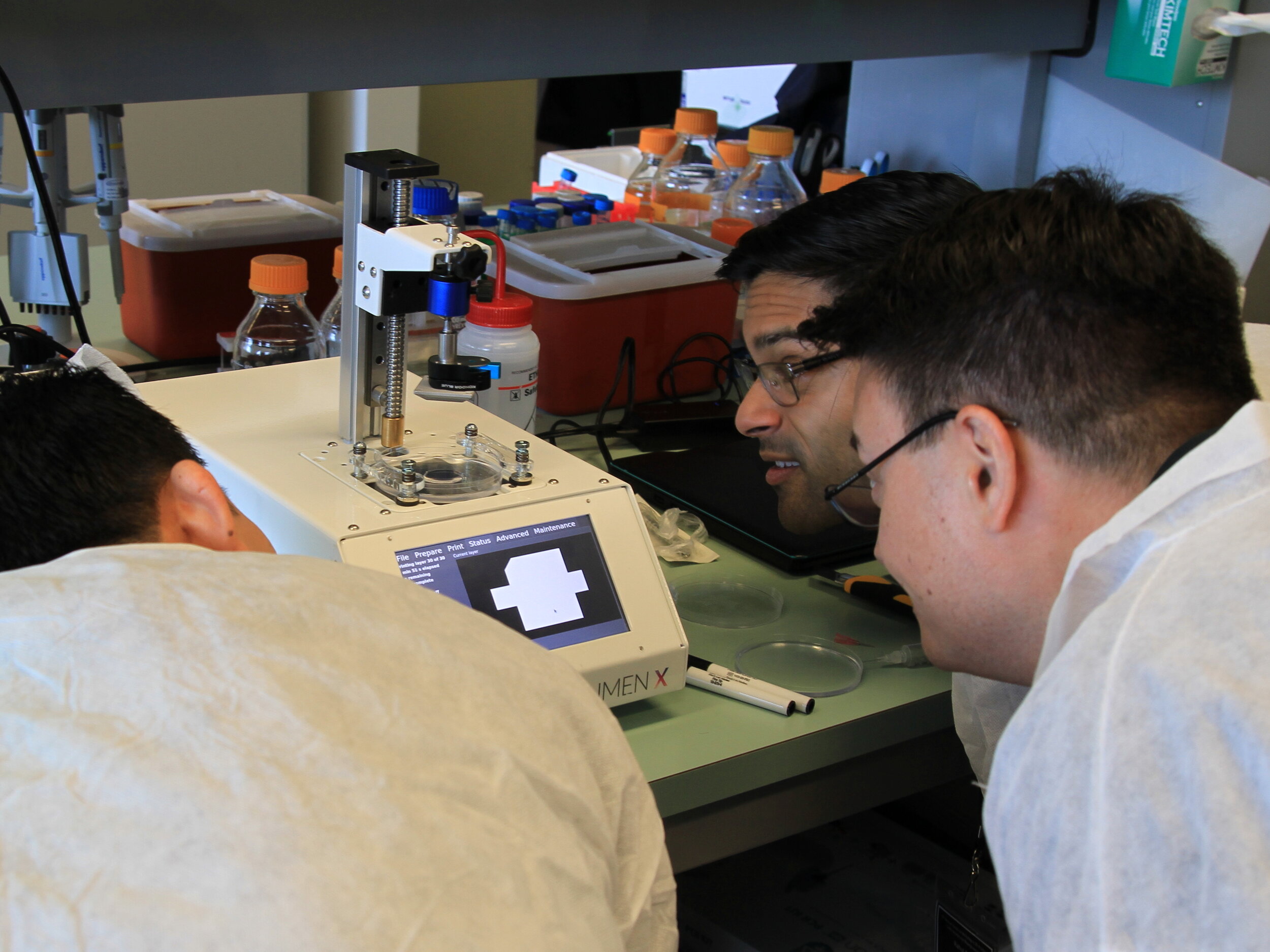
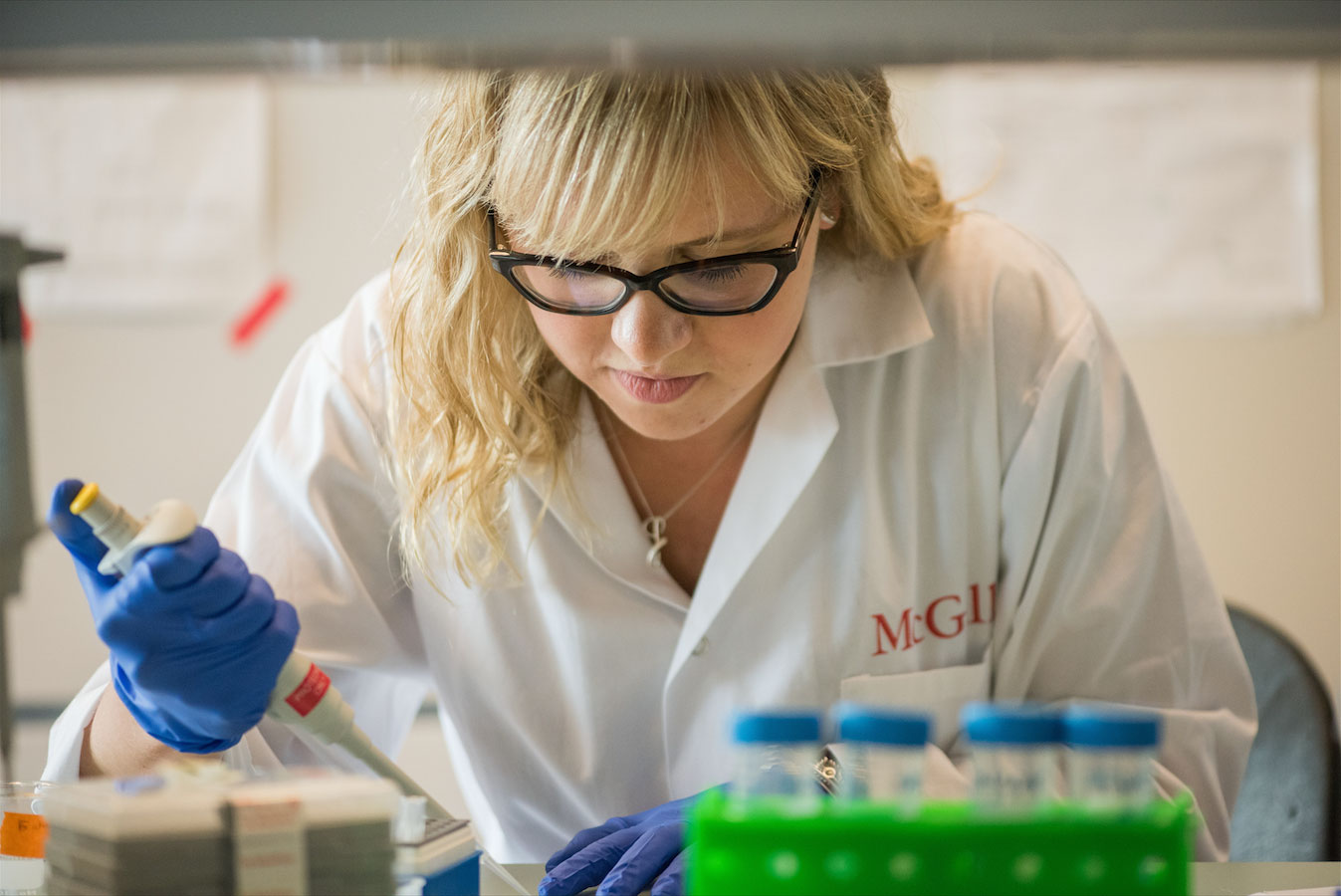
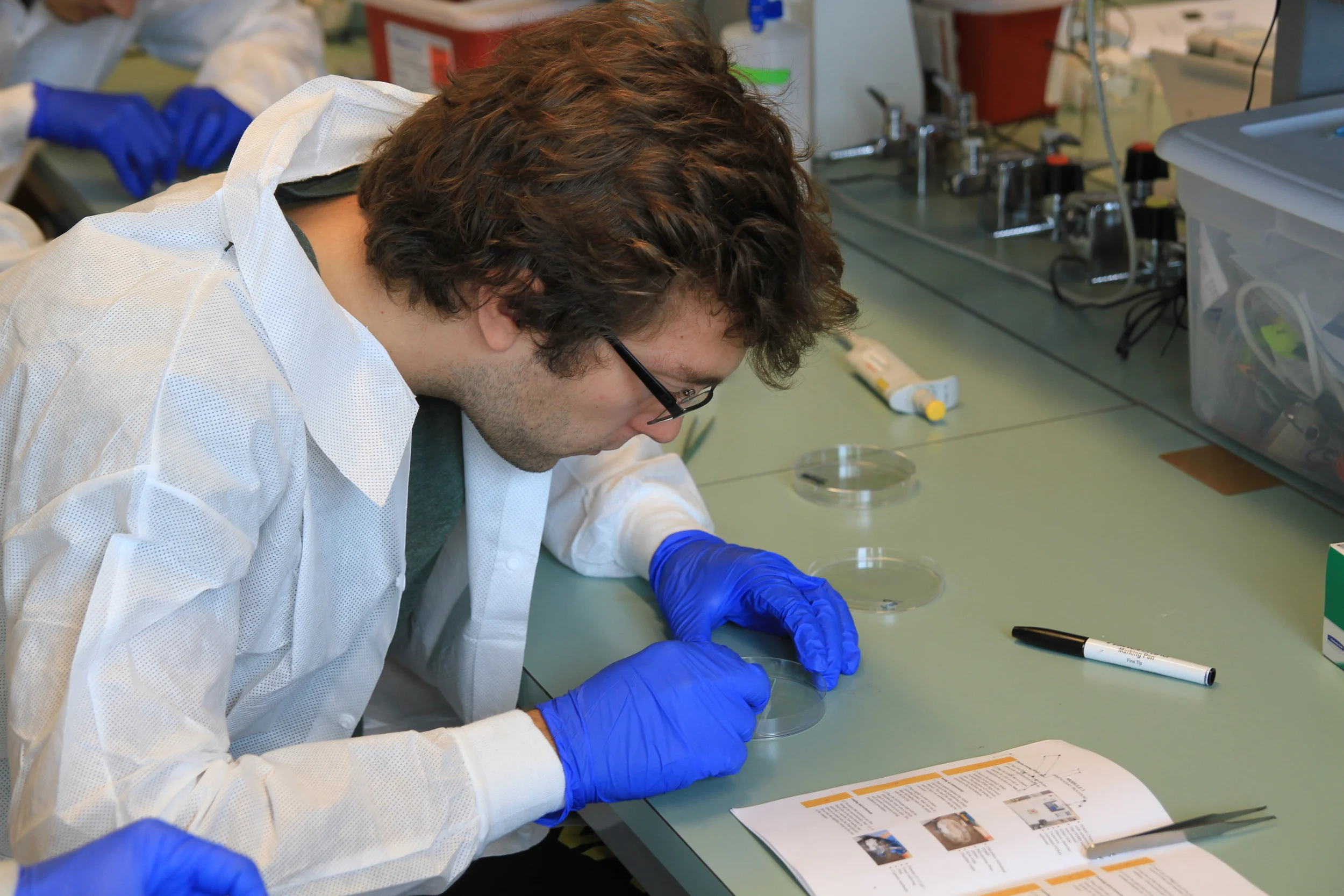
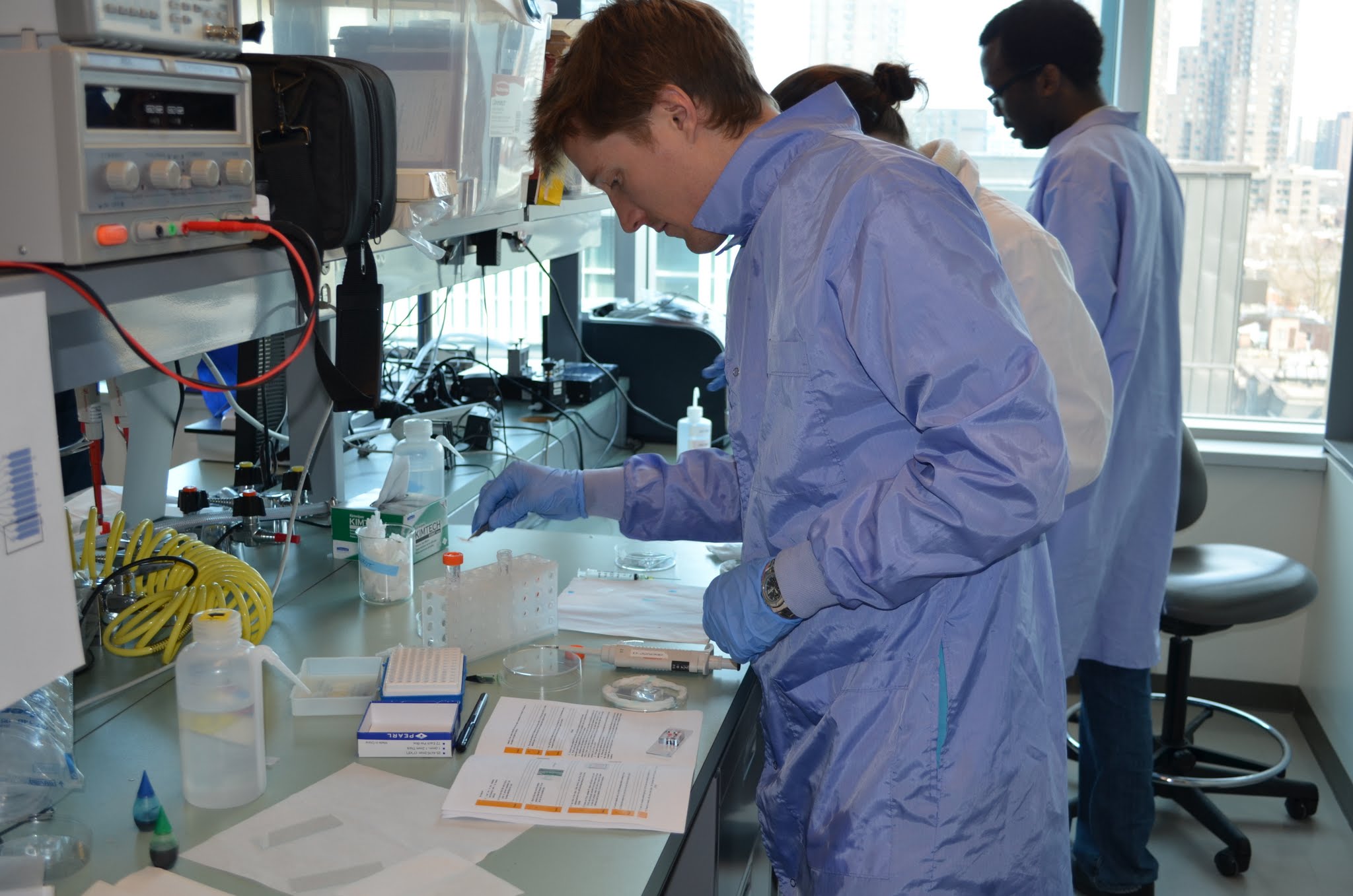
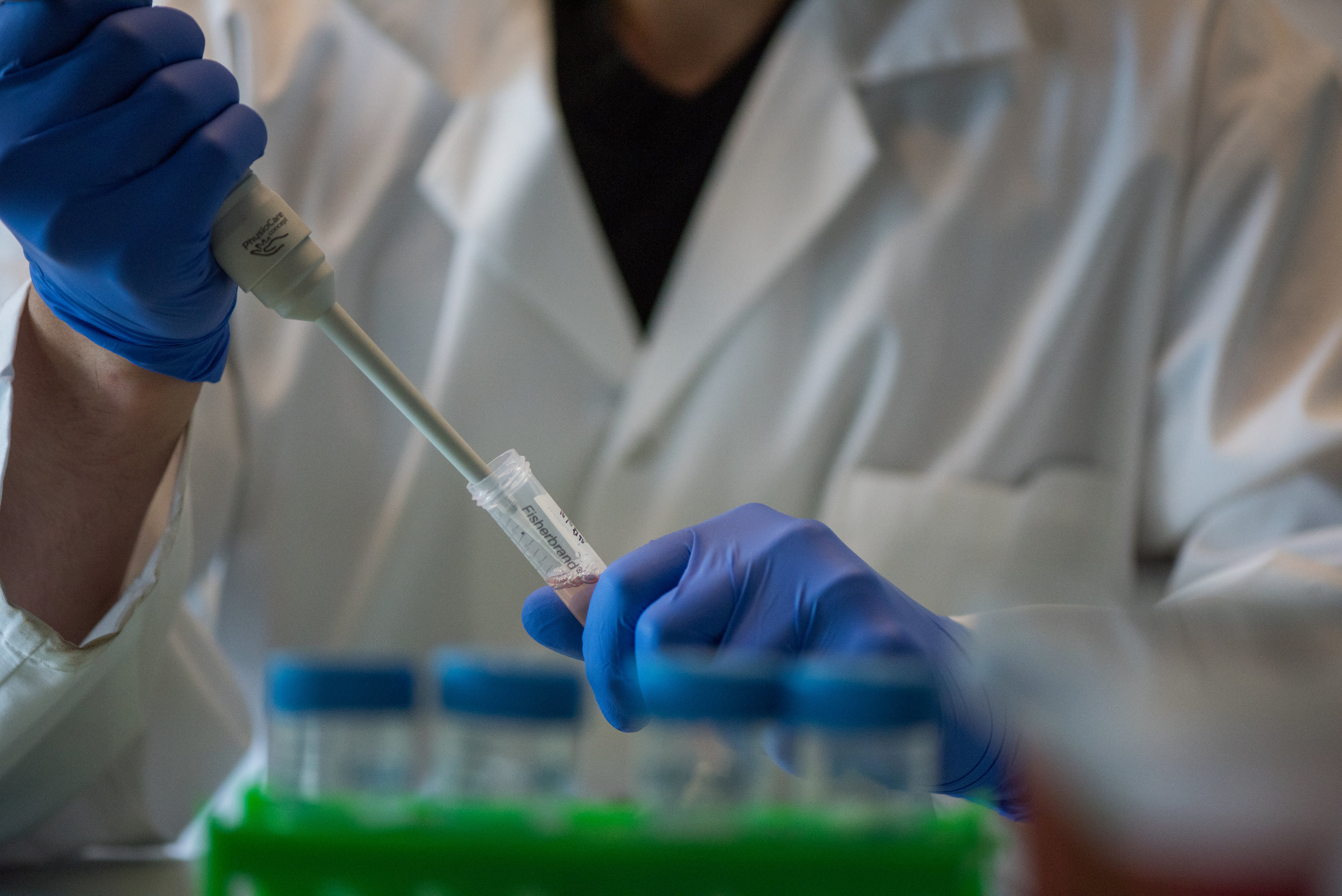
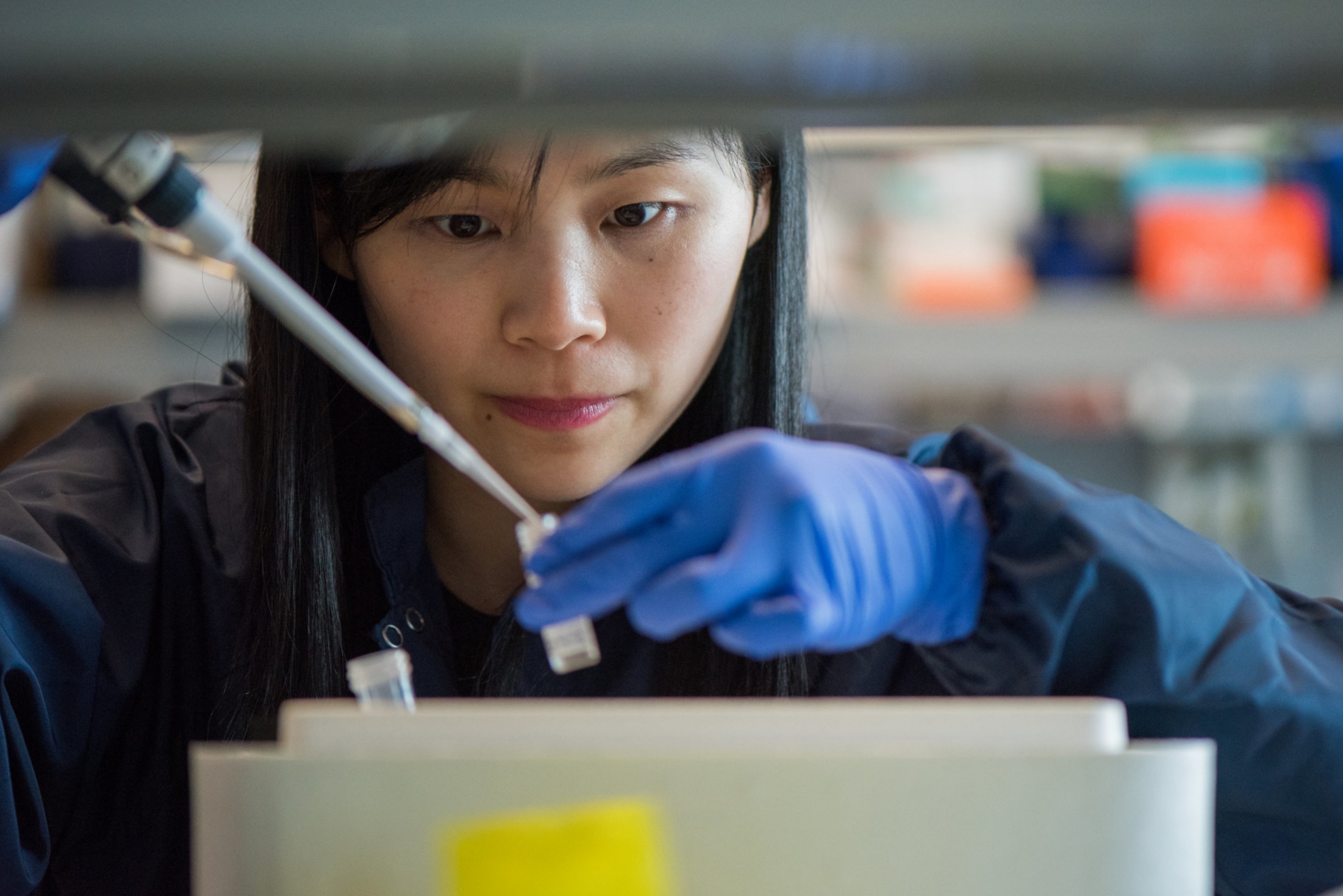
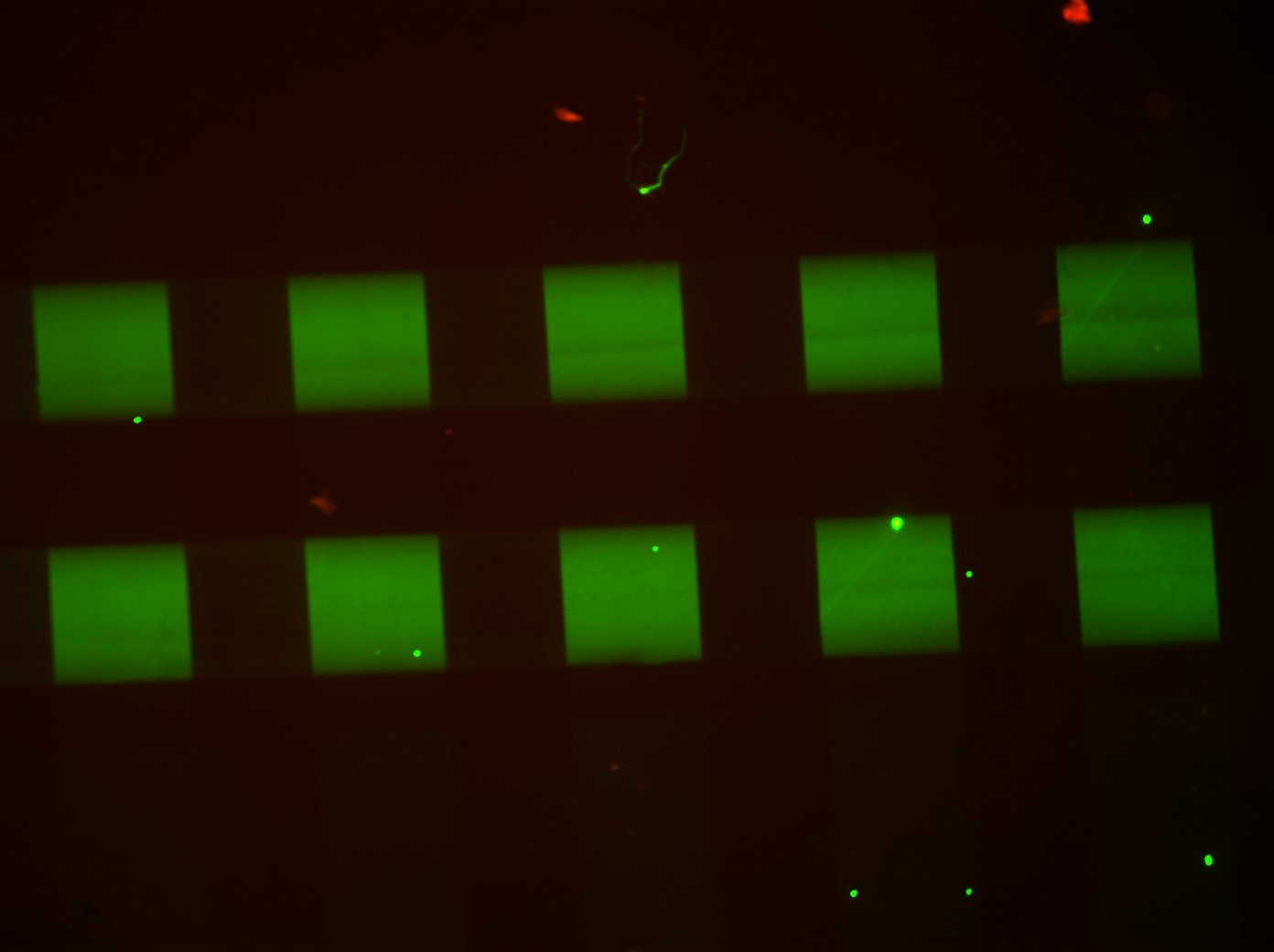
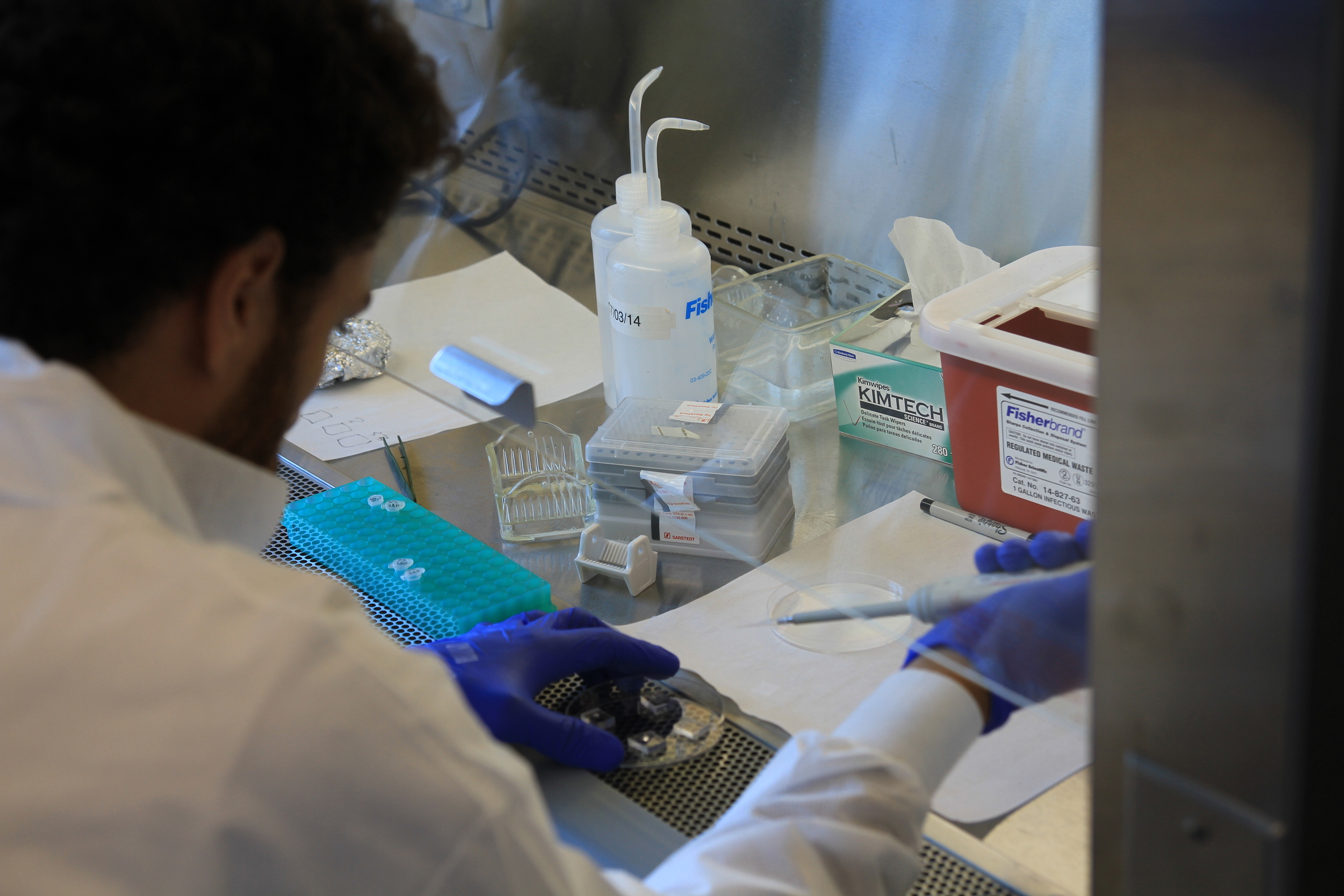
The workshop includes several lab modules in which we complement the lecture topics with hands-on fabrication experience. Participants will be able to directly print functional microfluidic chips and mold PDMS replicates of on-chip cell culture devices. We will seed live cells and image them the next day, such that participants will gain all the experience needed to start the first microfluidic cell culture project in their own labs.
MODULE 4: DESIGN CHALLENGE
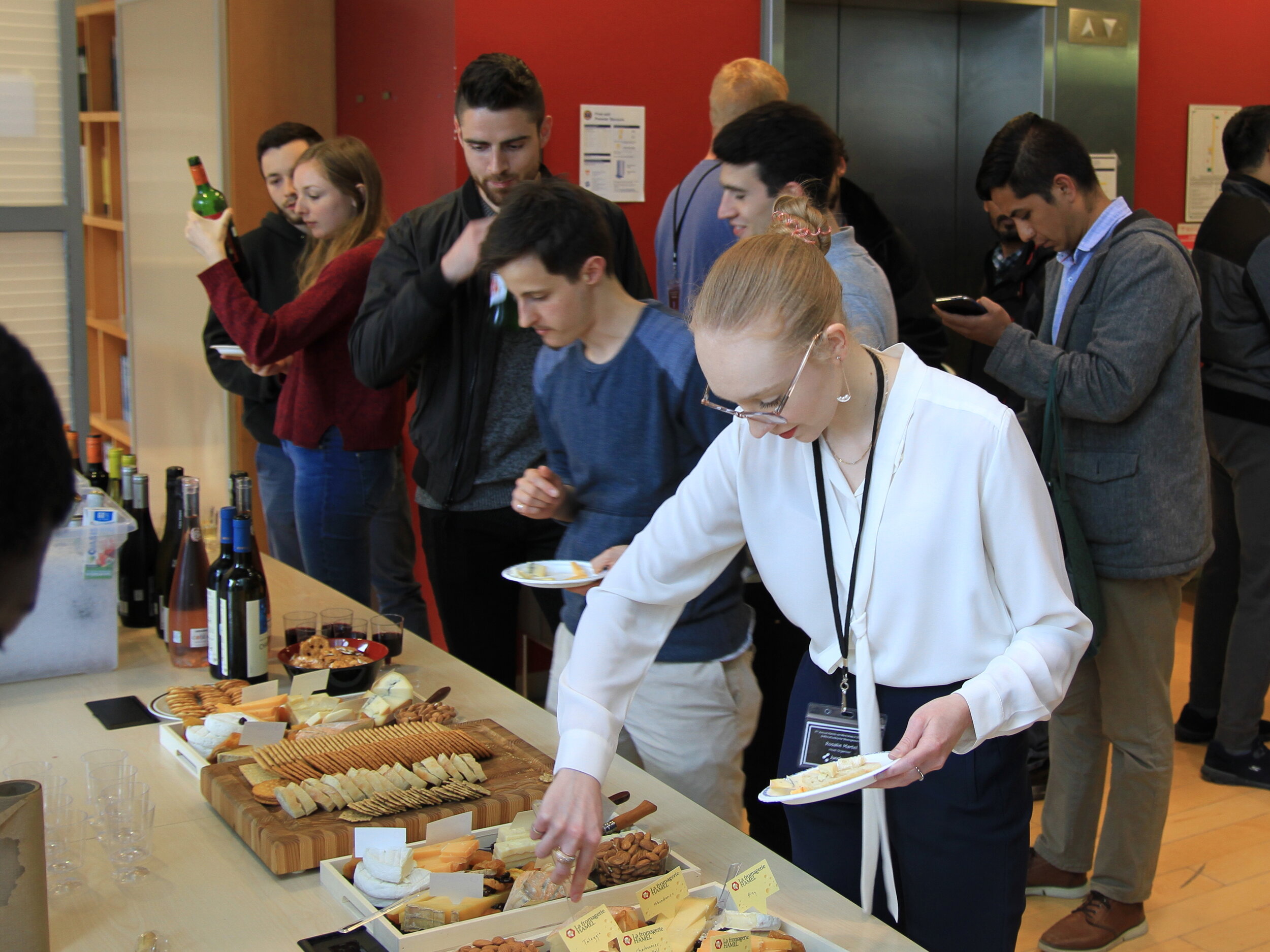
In this session, a design challenge premise will be presented to the participants who will be asked to propose a solution that addresses a problem in the field of bioengineering. Presentations will be given by participants who will show how Nano/Microtechnology can be applied to this research area. This session is a highlight of the course as it helps participants to relate what they just learned to a real-world application and receive feedback from our design challenge coordinator and our panel of 3-4 judges during their final presentations. To conclude the workshop, participants will have the opportunity to compete for the best presentation award this year and the results will be announced during the wine and cheese social on the last day!
Very Large Scale Integrated Microfluidics (VLSMI) to discover and manufacture precision micro/nano-scale materials
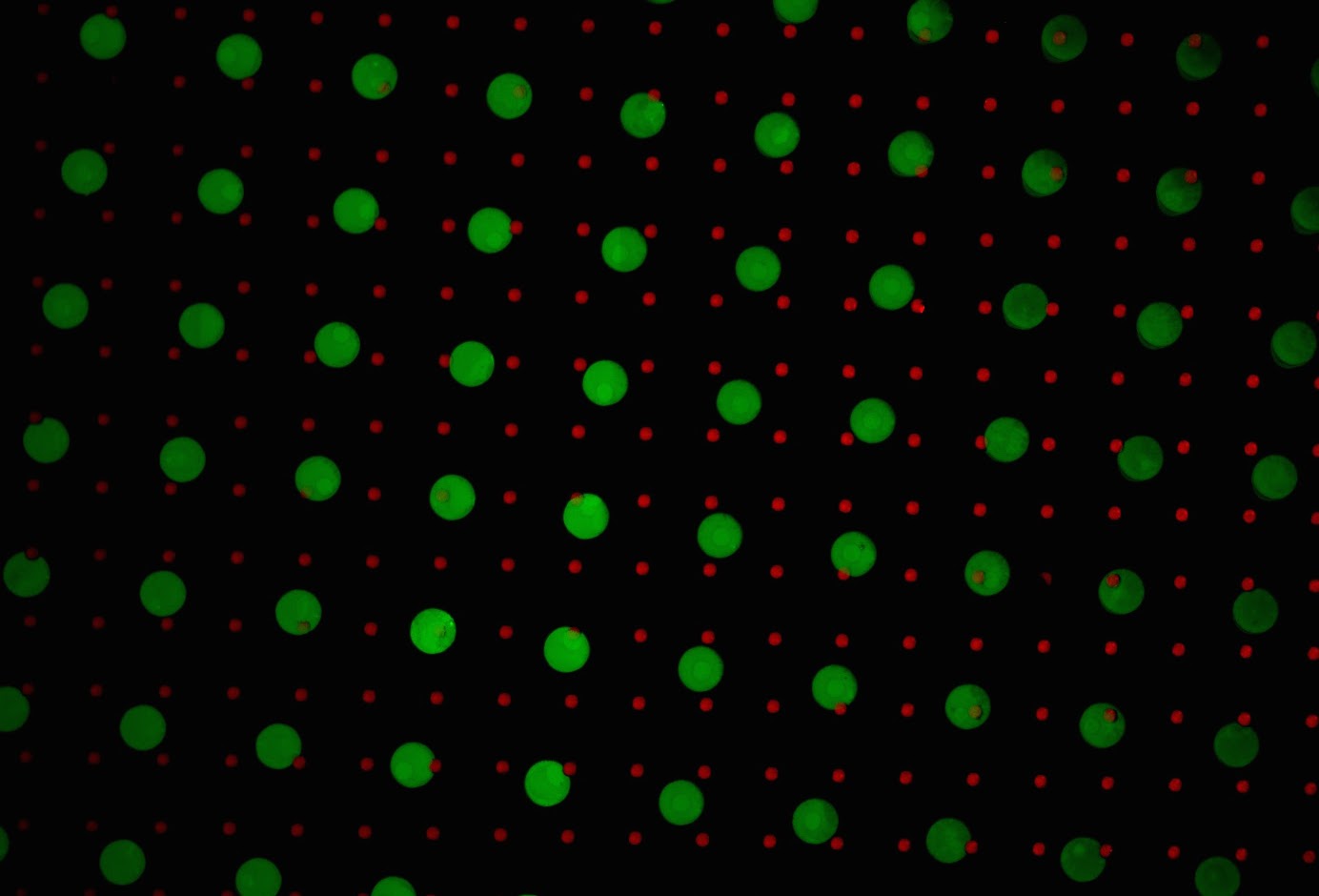
Microfluidic technologies offer precise control over the synthesis of micro- and nanoparticles, but low production rates have limited their industrial translation. I will discuss a scalable microfluidic platform that integrates arrays of more than 20,000 parallel material generators, achieving industrial-scale throughput while maintaining monodispersity and design flexibility. This approach supports fabrication across diverse materials and enables the generation of complex emulsions and core-shell structures. Using this platform, we scaled the production of polymer drug microparticles, Janus particles, and shape-programmable hydrogels, and developed parallelized mixing arrays for lipid nanoparticle (LNP) RNA formulations without compromising physical quality or biological performance. Building on this capability, we further demonstrate the automated, high-throughput generation of large, precisely defined libraries of LNP formulations, enabling systematic, artificial intelligence directed exploration of compositional and structural design spaces for nucleic acid delivery. Using this self-driving, high-throughput LNP discovery platform, we explore applications in defining structure-function relationships, engineering ex vivo CAR-NK cell therapies, and controlling tissue-specific tropism.
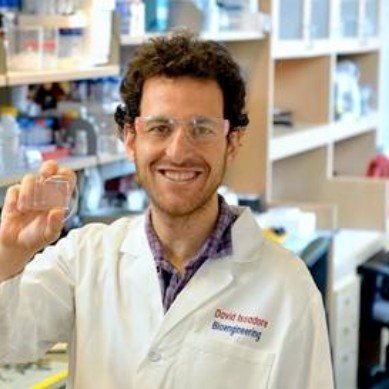
David Issadore is a Professor of Bioengineering at the University of Pennsylvania, where his laboratory develops micro and nanotechnologies for biomedical applications. His research integrates microfluidics, microelectronics, nanomaterials, and molecular targeting to create high throughput platforms for diagnostics, drug delivery, and therapeutic discovery. A major focus of his work is scaling microfluidic technologies from laboratory demonstrations to industrially relevant manufacturing through Very Large Scale Microfluidic Integration, enabling the production of precisely engineered particles, hydrogels, and lipid nanoparticle formulations. His group has contributed advances in ultrasensitive digital biomolecular assays, extracellular vesicle analysis, and microfluidic fabrication of functional soft materials for medicine. David Issadore is also active in translating academic research into practice through collaborations with industry and the creation of startup companies (InfiniFluidics, Chip Diagnostics).
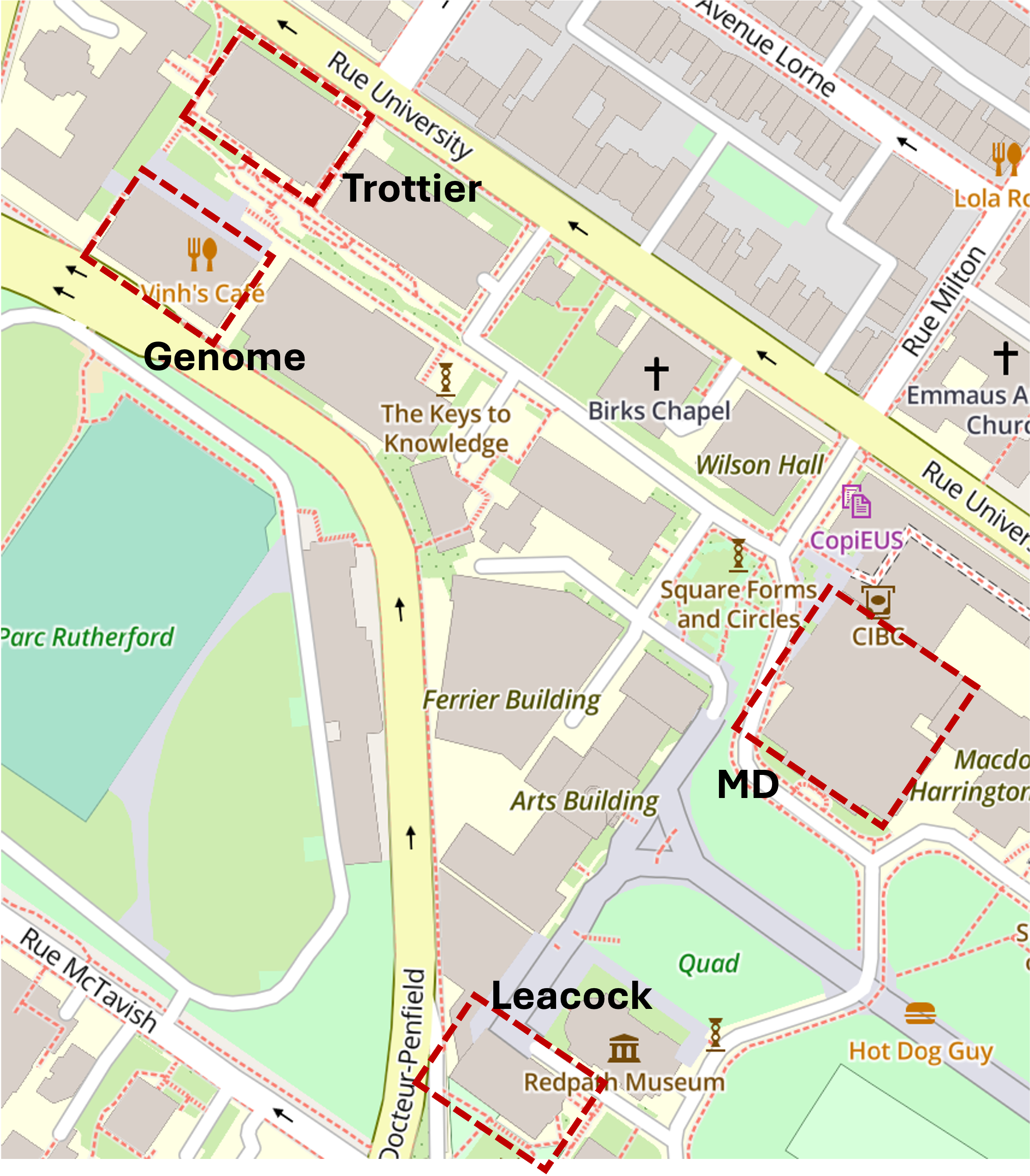
TROTTIER MEZZANINE
L.M. Trottier Building, Room 2100, 2110
3630 University Street
GENOME 6500
McGill Genome Centre, Room 6500
740 Dr Penfield Avenue
Leacock 219
Leacock Building, Room 219
855 Sherbrooke St W
MD50
Macdonald Engineering Building, Room 50
817 Sherbrooke St W






JUSTIN DE VRIES
Head organizer, Advertisement, Sponsorship
ANDREAs WALLUCKS
Design challenge coordinator
GEUNYONG KIM
Lab coordinator, Web master
LAN ANH HUYNH
Lab coordinator


MOLLY SHEN
Lab coordinator
FABIAN SVAHN
CAD coordinator, Advertisement
YONATAN MOROCZ
CAD coordinator
KELLIANE BÉLAND
Lab teacher, Budget


REEFAH KABIR
Lab teacher, Design challenge assistant
BREONA MARTIN
Lab teacher
HOUDA SHAFIQUE
Live 3D printing teacher, Sponsorship, Catering
JUNJIE BAI
Catering assistant

Teledyne DALSA is an international leader in high performance digital imaging and semiconductors with approximately 1000 employees world-wide. Established in 1980 and acquired by Teledyne Technologies in 2011, Teledyne DALSA designs, develops, manufactures, and markets digital imaging products and solutions, in addition to providing semiconductor products and services. Our core competencies are in specialized integrated circuit and electronics technology, software, and highly engineered semiconductor wafer processing. Teledyne DALSA exists for the long term. Our goal is to build upon our 30 year heritage of developing the world’s leading high performance digital imaging and semiconductor solutions and to accelerate our level of innovation. We focus on R&D development but also draw on the capabilities available to us as part of a larger organization. We seek to deliver products and technology that are truly innovative so that we can help our customers succeed.

microfludic ChipShop was funded with the mission to shrink the biological and chemical lab and to bring lab-on-a-chip systems into daily laboratory life. Cost efficient, fast and reliable since 2002. Services comprise tailor-made microfluidic systems including instrumentation, microfluidic disposables and assay integration, as well as off-the shelf catalogue products for droplet generation, organ-on-chip assays, micro mixing, sensor integration and many more applications. From design to production, customers are offered everything from one source. All steps take place in the company‘s headquarters in Jena, Germany. The dedicated team offers support from early prototyping to large-scale production, in R&D as well as point-of-care-testing. Besides customized microfluidic solutions, microfluidic ChipShop engages in a multitude of research projects, one of them being UNLOOC, an EU-wide R&D project with 50 partners using organ-on-chip technology to enable the development of more effective medical treatment and reduction of animal testing.

CADworks3D was established in 2018 with the intention of providing exceptional user support, cost effective and microfluidic specific 3D printing solutions. By combining groundbreaking 3D printer technology with an in-house 3D materials development team, CADworks3D are able to provide 3D solutions to the unique needs of microfluidic researchers, startups and established bio-tech firms. The team at CADworks3D brings together over 20 years of experience in CAD, 3D printing and 3D materials development to empower institutions and research labs with the best technical support.

Nikon Microscope Solutions is a global leader in optical innovation, providing advanced imaging systems that support every stage of microfluidics research—from device design and fabrication to live experiments and quantitative analysis. Our portfolio includes many inverted microscope platforms such as the Nikon Ti2 and Ji, offering exceptional stability, modularity, automation and high‑resolution imaging for microfluidic workflows, as well as Nikon stereo microscopes for device inspection, alignment, and rapid prototyping. Together with complementary contrast methods, automation, and camera solutions, Nikon systems deliver reliable, scalable imaging platforms tailored to the evolving needs of the microfluidics community.

VascuBio Innovation was born at McGill University with the mission to advance human-relevant tissue models through microfluidics, biomaterials, and biofabrication. Founded by researchers with expertise in organ-on-chip systems, 3D printing, and tissue engineering, VascuBio develops advanced bioreactor and organ-on-chip platforms for drug screening, disease modeling, and regenerative medicine. Our technologies help biotech, pharmaceutical, and academic teams build more physiologically relevant in vitro models and reduce reliance on animal testing.
VascuBio also produces Vascu3D, a UV-curable photopolymer resin engineered for high-resolution microfluidic and organ-on-chip fabrication, supporting researchers and biotech teams in prototyping next-generation devices.
The Hands-on Workshop in Micro & Nano Bioengineering is made possible through the generous support of our sponsors. To find out more about becoming a sponsor, please email us at junckerlab.workshop@gmail.com.